

Give the Gift of Choice!
Too many options? Treat your friends and family to their favourite stores with a Bayshore Shopping Centre gift card, redeemable at participating retailers throughout the centre. Click below to purchase yours today!Purchase HereHome
City of beasts: How animals shaped Georgian London
Coles
Loading Inventory...
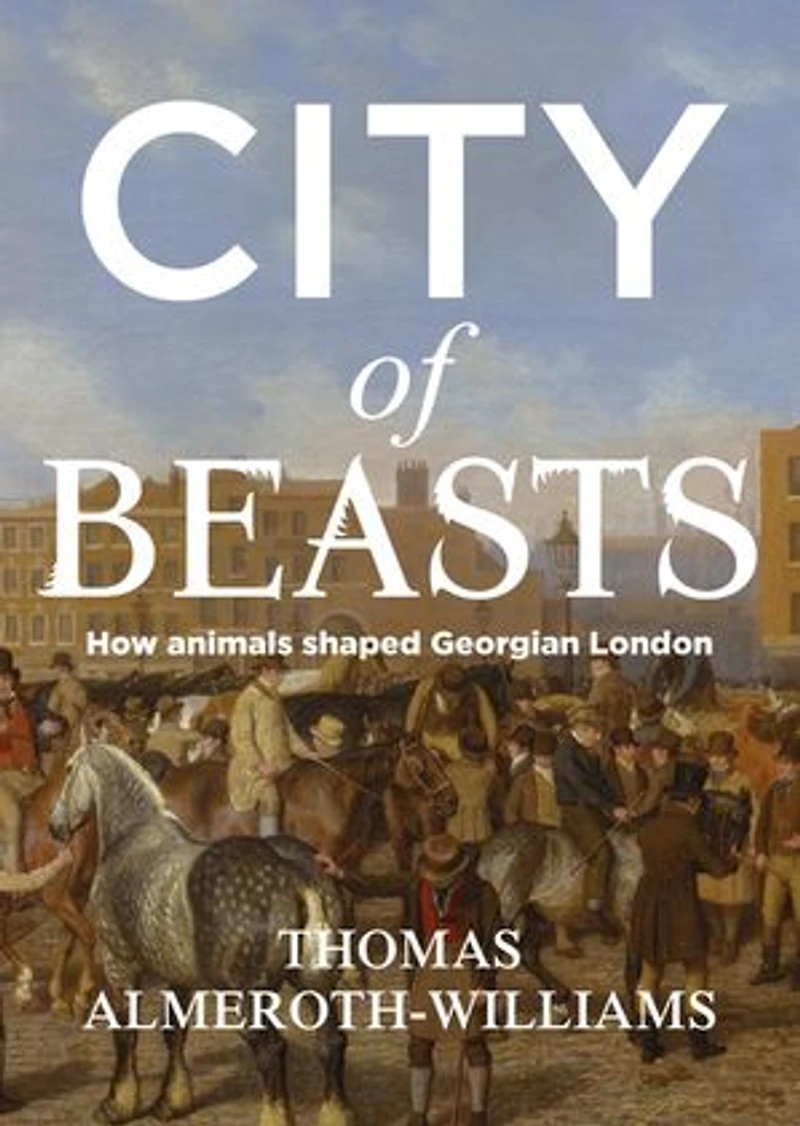
City of beasts: How animals shaped Georgian London in Ottawa, ON
Current price: $22.79
Original price: $28.43

City of beasts: How animals shaped Georgian London in Ottawa, ON
Current price: $22.79
Original price: $28.43
Loading Inventory...
Size: Kobo eBook
*Product information may vary - to confirm product availability, pricing, shipping and return information please contact Coles
This book explores the role of animals – horses, cattle, sheep, pigs and dogs – in shaping Georgian London. Moving away from the philosophical, fictional and humanitarian sources used by previous animal studies, it focuses on evidence of tangible, dung-bespattered interactions between real people and animals, drawn from legal, parish, commercial, newspaper and private records.This approach opens up new perspectives on unfamiliar or misunderstood metropolitan spaces, activities, social types, relationships and cultural developments. Ultimately, the book challenges traditional assumptions about the industrial, agricultural and consumer revolutions, as well as key aspects of the city’s culture, social relations and physical development. It will be stimulating reading for students and professional scholars of urban, social, economic, agricultural, industrial, architectural and environmental history.
This book explores the role of animals – horses, cattle, sheep, pigs and dogs – in shaping Georgian London. Moving away from the philosophical, fictional and humanitarian sources used by previous animal studies, it focuses on evidence of tangible, dung-bespattered interactions between real people and animals, drawn from legal, parish, commercial, newspaper and private records.This approach opens up new perspectives on unfamiliar or misunderstood metropolitan spaces, activities, social types, relationships and cultural developments. Ultimately, the book challenges traditional assumptions about the industrial, agricultural and consumer revolutions, as well as key aspects of the city’s culture, social relations and physical development. It will be stimulating reading for students and professional scholars of urban, social, economic, agricultural, industrial, architectural and environmental history.
You May Also Like









More About Coles at Bayshore Shopping Centre
Coles is renowned for its outstanding customer service and great selection of books. Along with the vast array of magazines, stationary, audio-books, children's literature, fiction, non-fiction and reference books, you can find accessories to make your reading experience more pleasurable. We can recommend the very best in reading today. We will help you search our titles for exactly what you need, and if we do not have it in stock, we will order it for you.
100 Bayshore Dr, Nepean, ON K2B 8C1, Canada
Find Coles at Bayshore Shopping Centre in Ottawa, ON
Visit Coles at Bayshore Shopping Centre in Ottawa, ON