

Give the Gift of Choice!
Too many options? Treat your friends and family to their favourite stores with a Bayshore Shopping Centre gift card, redeemable at participating retailers throughout the centre. Click below to purchase yours today!Purchase HereHome
City of Lake and Prairie: Chicago's Environmental History
Coles
Loading Inventory...
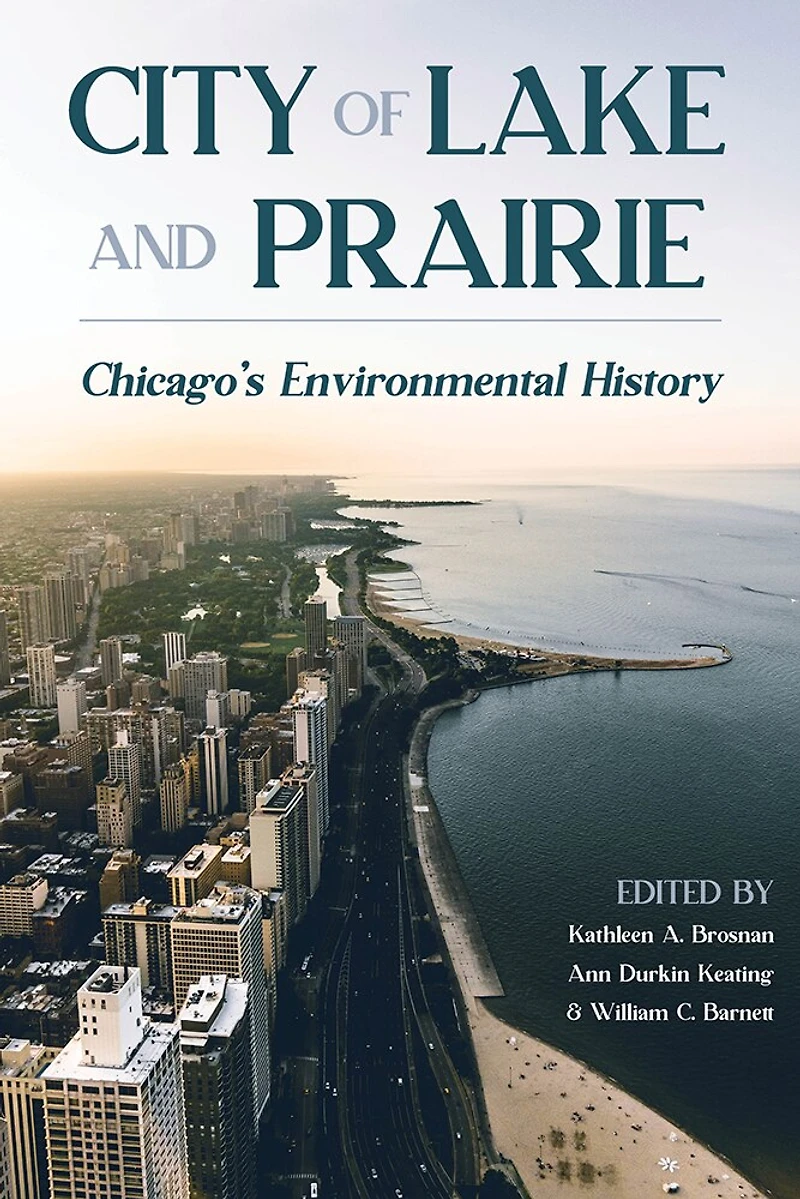

City of Lake and Prairie: Chicago's Environmental History in Ottawa, ON
Current price: $65.00

City of Lake and Prairie: Chicago's Environmental History in Ottawa, ON
Current price: $65.00
Loading Inventory...
Size: Hardcover
*Product information may vary - to confirm product availability, pricing, shipping and return information please contact Coles
Known as the Windy City and the Hog Butcher to the World, Chicago has earned a more apt sobriquet—City of Lake and Prairie—with this compelling, innovative, and deeply researched environmental history. Sitting at the southwestern tip of Lake Michigan, one of the largest freshwater bodies in the world, and on the eastern edge of the tallgrass prairies that fill much of the North American interior, early residents in the land that Chicago now occupies enjoyed natural advantages, economic opportunities, and global connections over centuries, from the Native Americans who first inhabited the region to the urban dwellers who built a metropolis in the nineteenth and twentieth centuries. As one millennium ended and a new one began, these same features sparked a distinctive Midwestern environmentalism aimed at preserving local ecosystems. Drawing on its contributors’ interdisciplinary talents, this volume reveals a rich but often troubled landscape shaped by communities of color, workers, and activists as well as complex human relations with industry, waterways, animals, and disease.
Known as the Windy City and the Hog Butcher to the World, Chicago has earned a more apt sobriquet—City of Lake and Prairie—with this compelling, innovative, and deeply researched environmental history. Sitting at the southwestern tip of Lake Michigan, one of the largest freshwater bodies in the world, and on the eastern edge of the tallgrass prairies that fill much of the North American interior, early residents in the land that Chicago now occupies enjoyed natural advantages, economic opportunities, and global connections over centuries, from the Native Americans who first inhabited the region to the urban dwellers who built a metropolis in the nineteenth and twentieth centuries. As one millennium ended and a new one began, these same features sparked a distinctive Midwestern environmentalism aimed at preserving local ecosystems. Drawing on its contributors’ interdisciplinary talents, this volume reveals a rich but often troubled landscape shaped by communities of color, workers, and activists as well as complex human relations with industry, waterways, animals, and disease.
You May Also Like











More About Coles at Bayshore Shopping Centre
Coles is renowned for its outstanding customer service and great selection of books. Along with the vast array of magazines, stationary, audio-books, children's literature, fiction, non-fiction and reference books, you can find accessories to make your reading experience more pleasurable. We can recommend the very best in reading today. We will help you search our titles for exactly what you need, and if we do not have it in stock, we will order it for you.
100 Bayshore Dr, Nepean, ON K2B 8C1, Canada
Find Coles at Bayshore Shopping Centre in Ottawa, ON
Visit Coles at Bayshore Shopping Centre in Ottawa, ON