

Give the Gift of Choice!
Too many options? Treat your friends and family to their favourite stores with a Bayshore Shopping Centre gift card, redeemable at participating retailers throughout the centre. Click below to purchase yours today!Purchase HereHome
City of Southend: A Potted History
Coles
Loading Inventory...
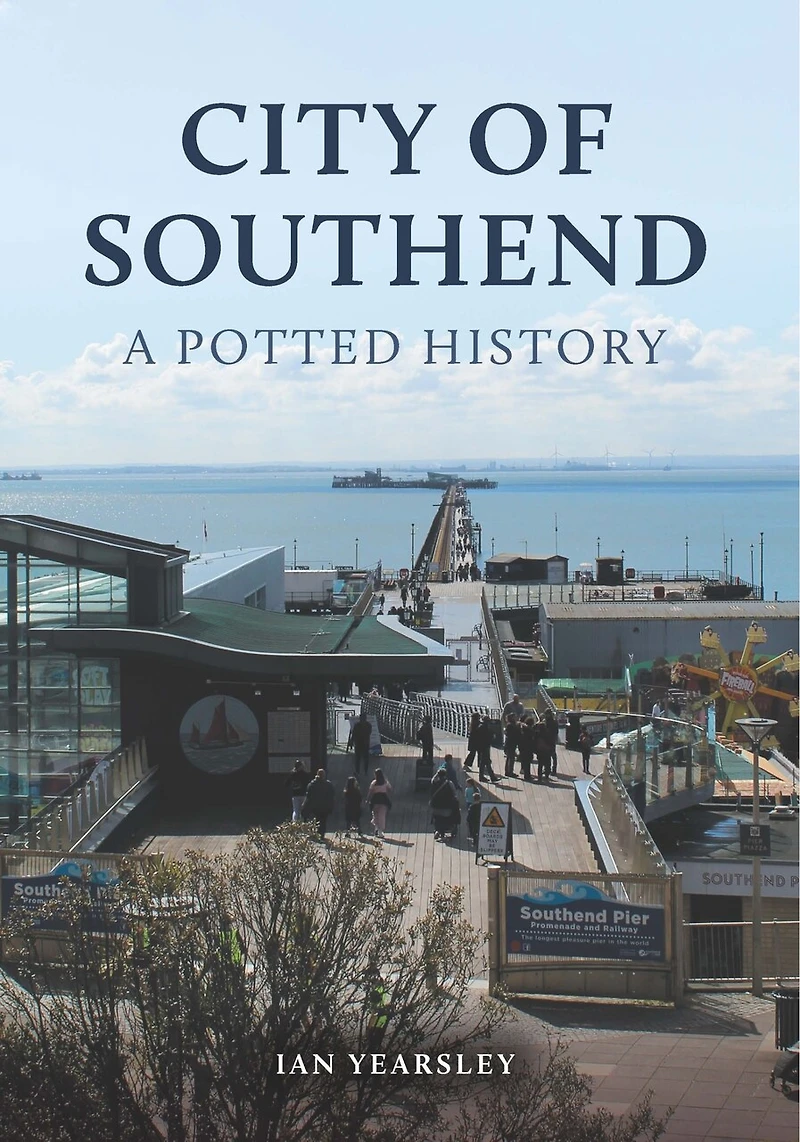
City of Southend: A Potted History in Ottawa, ON
Current price: $37.99

City of Southend: A Potted History in Ottawa, ON
Current price: $37.99
Loading Inventory...
Size: Paperback
*Product information may vary - to confirm product availability, pricing, shipping and return information please contact Coles
The modern city of Southend-on-Sea has come a long way since its 18th-century origins as an oyster fishing hamlet at the south end of Prittlewell parish. Now Southend is a regional employment, shopping and educational center, attracting 6.5 million visitors a year and housing 180,000 permanent residents. The construction of the Royal Hotel in the 1790s began Southend’s transformation into a resort, but it was the arrival of the railway in 1856 which was the real catalyst for growth. The town’s boundaries expanded three times: in the 1890s, 1910s and 1930s. During the Second World War, Southend played a key part in the defense of London and in the organization of merchant shipping convoys. By the 1950s and 1960s the town was known far-and-wide as a mecca for leisure and entertainment. The awarding of city status in 2021, following the senseless murder of Southend West MP, Sir David Amess, who had long campaigned for it, was bitter-sweet but it was also the latest symbol of how Southend has grown.
Illustrated throughout, this accessible historical portrait of the transformation that Southend has undergone through the ages will be of great interest to residents, visitors and all those with links to the city.
The modern city of Southend-on-Sea has come a long way since its 18th-century origins as an oyster fishing hamlet at the south end of Prittlewell parish. Now Southend is a regional employment, shopping and educational center, attracting 6.5 million visitors a year and housing 180,000 permanent residents. The construction of the Royal Hotel in the 1790s began Southend’s transformation into a resort, but it was the arrival of the railway in 1856 which was the real catalyst for growth. The town’s boundaries expanded three times: in the 1890s, 1910s and 1930s. During the Second World War, Southend played a key part in the defense of London and in the organization of merchant shipping convoys. By the 1950s and 1960s the town was known far-and-wide as a mecca for leisure and entertainment. The awarding of city status in 2021, following the senseless murder of Southend West MP, Sir David Amess, who had long campaigned for it, was bitter-sweet but it was also the latest symbol of how Southend has grown.
Illustrated throughout, this accessible historical portrait of the transformation that Southend has undergone through the ages will be of great interest to residents, visitors and all those with links to the city.
You May Also Like












More About Coles at Bayshore Shopping Centre
Coles is renowned for its outstanding customer service and great selection of books. Along with the vast array of magazines, stationary, audio-books, children's literature, fiction, non-fiction and reference books, you can find accessories to make your reading experience more pleasurable. We can recommend the very best in reading today. We will help you search our titles for exactly what you need, and if we do not have it in stock, we will order it for you.
100 Bayshore Dr, Nepean, ON K2B 8C1, Canada
Find Coles at Bayshore Shopping Centre in Ottawa, ON
Visit Coles at Bayshore Shopping Centre in Ottawa, ON