

Give the Gift of Choice!
Too many options? Treat your friends and family to their favourite stores with a Bayshore Shopping Centre gift card, redeemable at participating retailers throughout the centre. Click below to purchase yours today!Purchase HereHome
Civic Death in Contemporary Turkey: Mass Surveillance and the Authoritarian State
Coles
Loading Inventory...
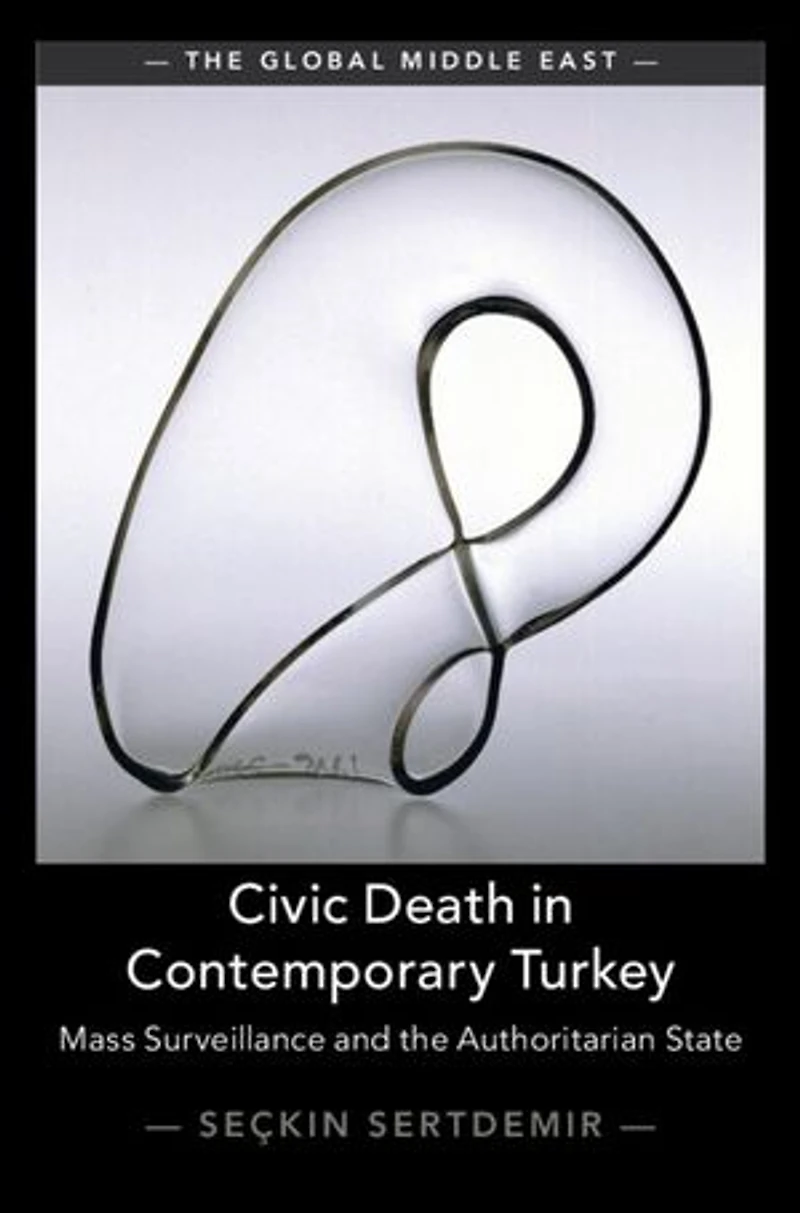
Civic Death in Contemporary Turkey: Mass Surveillance and the Authoritarian State in Ottawa, ON
Current price: $110.39
Original price: $137.95

Civic Death in Contemporary Turkey: Mass Surveillance and the Authoritarian State in Ottawa, ON
Current price: $110.39
Original price: $137.95
Loading Inventory...
Size: Kobo eBook
*Product information may vary - to confirm product availability, pricing, shipping and return information please contact Coles
What does it mean for a government to declare its citizens 'dead' while they still live? Following the failed 2016 coup, the Turkish AKP government implemented sweeping powers against some 152,000 of its citizens. These Kanun hükmünde kararnameli ('emergency decreed') were dismissed from their positions and banned for life from public service. With their citizenship rights revoked, Seçkin Sertdemir argues these individuals were rendered into a state of 'civic death'. This study considers how these authoritarian securitisation methods took shape, shedding light on the lived experiences of targeted people. Bringing together approaches from political philosophy, social anthropology, and sociology, Sertdemir outlines the approaches and justifications used by the Turkish government to dismiss opponents, increase surveillance, and brand citizens as 'terrorists'. At the same time, extensive archival research and in-depth interviews bring focus to the impact of these measures on the lives of women, and the disabled and LGBTQ+ communities.
What does it mean for a government to declare its citizens 'dead' while they still live? Following the failed 2016 coup, the Turkish AKP government implemented sweeping powers against some 152,000 of its citizens. These Kanun hükmünde kararnameli ('emergency decreed') were dismissed from their positions and banned for life from public service. With their citizenship rights revoked, Seçkin Sertdemir argues these individuals were rendered into a state of 'civic death'. This study considers how these authoritarian securitisation methods took shape, shedding light on the lived experiences of targeted people. Bringing together approaches from political philosophy, social anthropology, and sociology, Sertdemir outlines the approaches and justifications used by the Turkish government to dismiss opponents, increase surveillance, and brand citizens as 'terrorists'. At the same time, extensive archival research and in-depth interviews bring focus to the impact of these measures on the lives of women, and the disabled and LGBTQ+ communities.
You May Also Like









More About Coles at Bayshore Shopping Centre
Coles is renowned for its outstanding customer service and great selection of books. Along with the vast array of magazines, stationary, audio-books, children's literature, fiction, non-fiction and reference books, you can find accessories to make your reading experience more pleasurable. We can recommend the very best in reading today. We will help you search our titles for exactly what you need, and if we do not have it in stock, we will order it for you.
100 Bayshore Dr, Nepean, ON K2B 8C1, Canada
Find Coles at Bayshore Shopping Centre in Ottawa, ON
Visit Coles at Bayshore Shopping Centre in Ottawa, ON