

Give the Gift of Choice!
Too many options? Treat your friends and family to their favourite stores with a Bayshore Shopping Centre gift card, redeemable at participating retailers throughout the centre. Click below to purchase yours today!Purchase HereHome
Civil Disobedience
Coles
Loading Inventory...
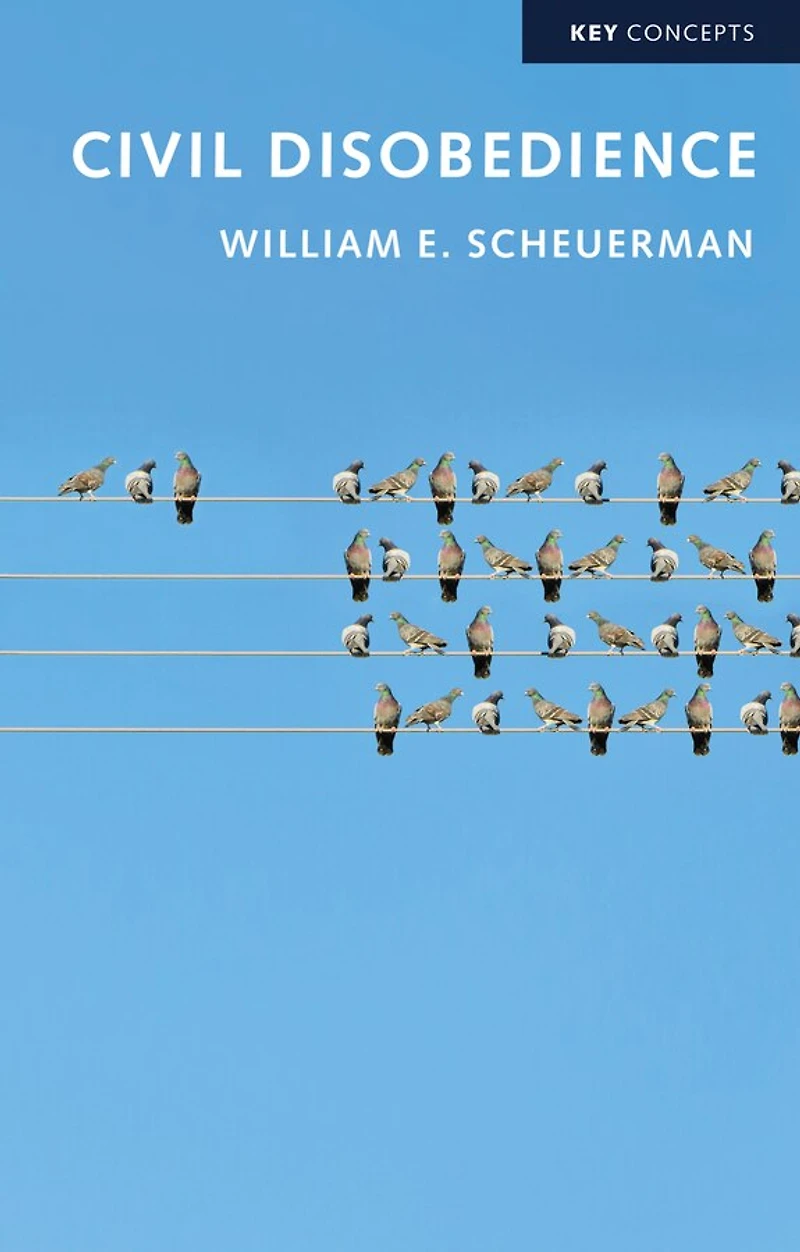
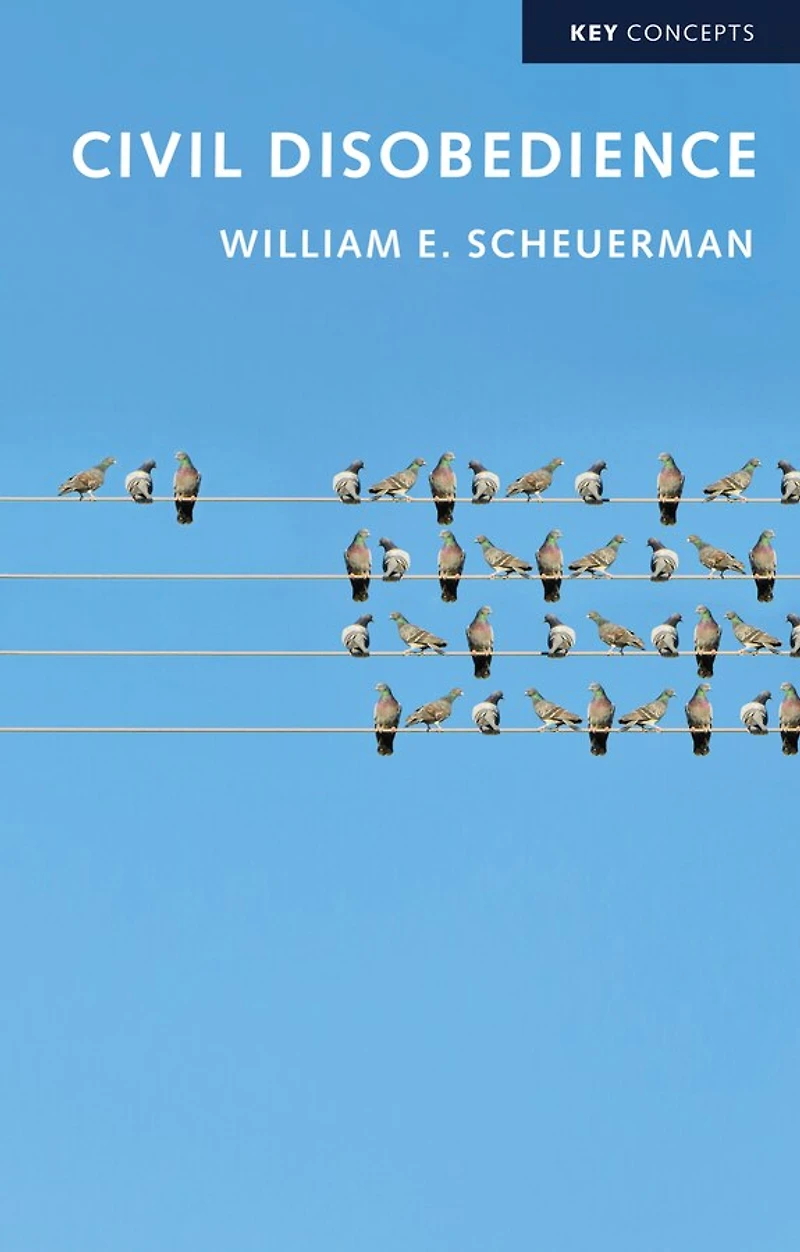
Civil Disobedience in Ottawa, ON
Current price: $81.50

Civil Disobedience in Ottawa, ON
Current price: $81.50
Loading Inventory...
Size: Hardcover
*Product information may vary - to confirm product availability, pricing, shipping and return information please contact Coles
What is civil disobedience? Although Mahatma Gandhi and Martin Luther King helped to bring the idea to prominence, even today it remains unclear how we should best understand civil disobedience. Why have so many different activists and intellectuals embraced it, and to what ends? Is civil disobedience still politically relevant in today's hyper-connected world? Does it make sense, for example, to describe Edward Snowden's actions, or those of recent global movements like Occupy, as falling under this rubric? If so, how must it adapt to respond to the challenges of digitalization and globalization and the rise of populist authoritarianism in the West? In this elegantly written introductory text, William E. Scheuerman systematically analyzes the most important interpretations of civil disobedience. Drawing out the striking differences separating religious, liberal, radical democratic, and anarchist views, he nonetheless shows that core commonalities remain. Against those who water down the idea of civil disobedience or view it as obsolescent, Scheuerman successfully salvages its central elements. The concept of civil disobedience, he argues, remains a pivotal tool for anyone hoping to bring about political and social change.
What is civil disobedience? Although Mahatma Gandhi and Martin Luther King helped to bring the idea to prominence, even today it remains unclear how we should best understand civil disobedience. Why have so many different activists and intellectuals embraced it, and to what ends? Is civil disobedience still politically relevant in today's hyper-connected world? Does it make sense, for example, to describe Edward Snowden's actions, or those of recent global movements like Occupy, as falling under this rubric? If so, how must it adapt to respond to the challenges of digitalization and globalization and the rise of populist authoritarianism in the West? In this elegantly written introductory text, William E. Scheuerman systematically analyzes the most important interpretations of civil disobedience. Drawing out the striking differences separating religious, liberal, radical democratic, and anarchist views, he nonetheless shows that core commonalities remain. Against those who water down the idea of civil disobedience or view it as obsolescent, Scheuerman successfully salvages its central elements. The concept of civil disobedience, he argues, remains a pivotal tool for anyone hoping to bring about political and social change.
You May Also Like















More About Coles at Bayshore Shopping Centre
Coles is renowned for its outstanding customer service and great selection of books. Along with the vast array of magazines, stationary, audio-books, children's literature, fiction, non-fiction and reference books, you can find accessories to make your reading experience more pleasurable. We can recommend the very best in reading today. We will help you search our titles for exactly what you need, and if we do not have it in stock, we will order it for you.
100 Bayshore Dr, Nepean, ON K2B 8C1, Canada
Find Coles at Bayshore Shopping Centre in Ottawa, ON
Visit Coles at Bayshore Shopping Centre in Ottawa, ON