

Give the Gift of Choice!
Too many options? Treat your friends and family to their favourite stores with a Bayshore Shopping Centre gift card, redeemable at participating retailers throughout the centre. Click below to purchase yours today!Purchase HereHome
Climate Change Fiction and Ecocultural Crisis: the Industrial Revolution to Present
Coles
Loading Inventory...
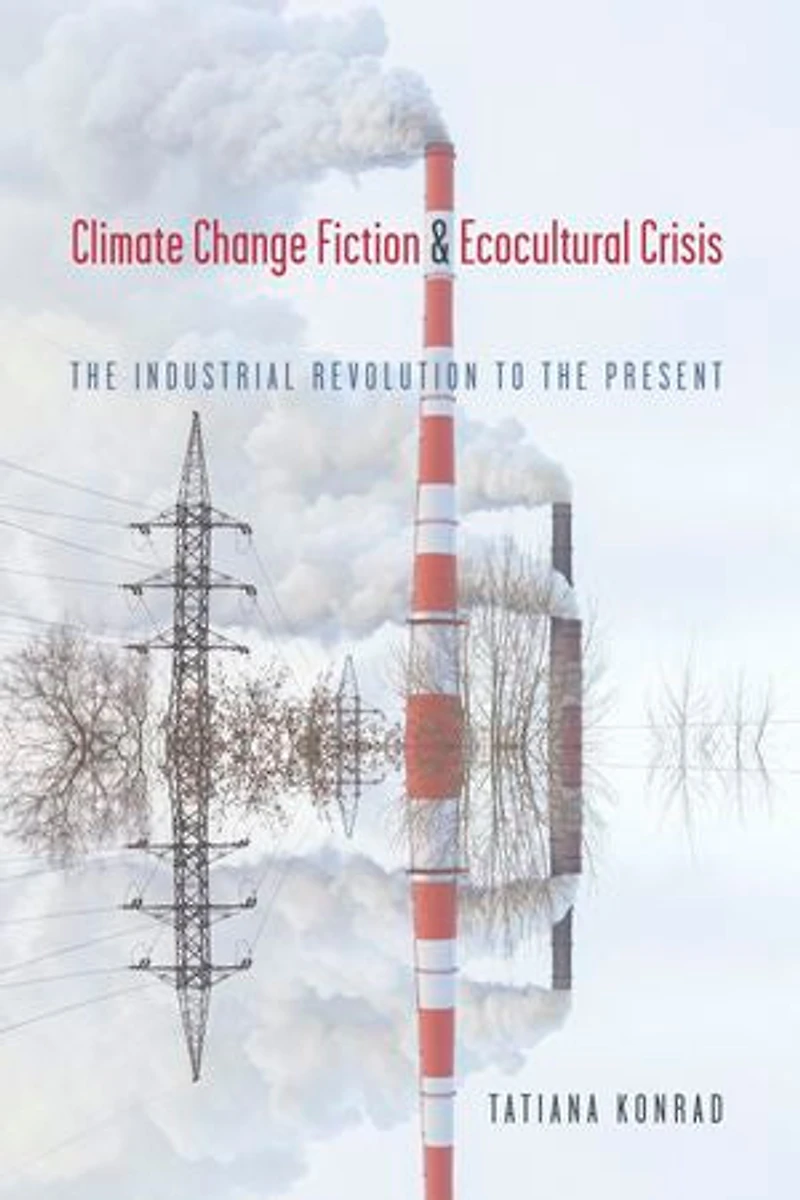
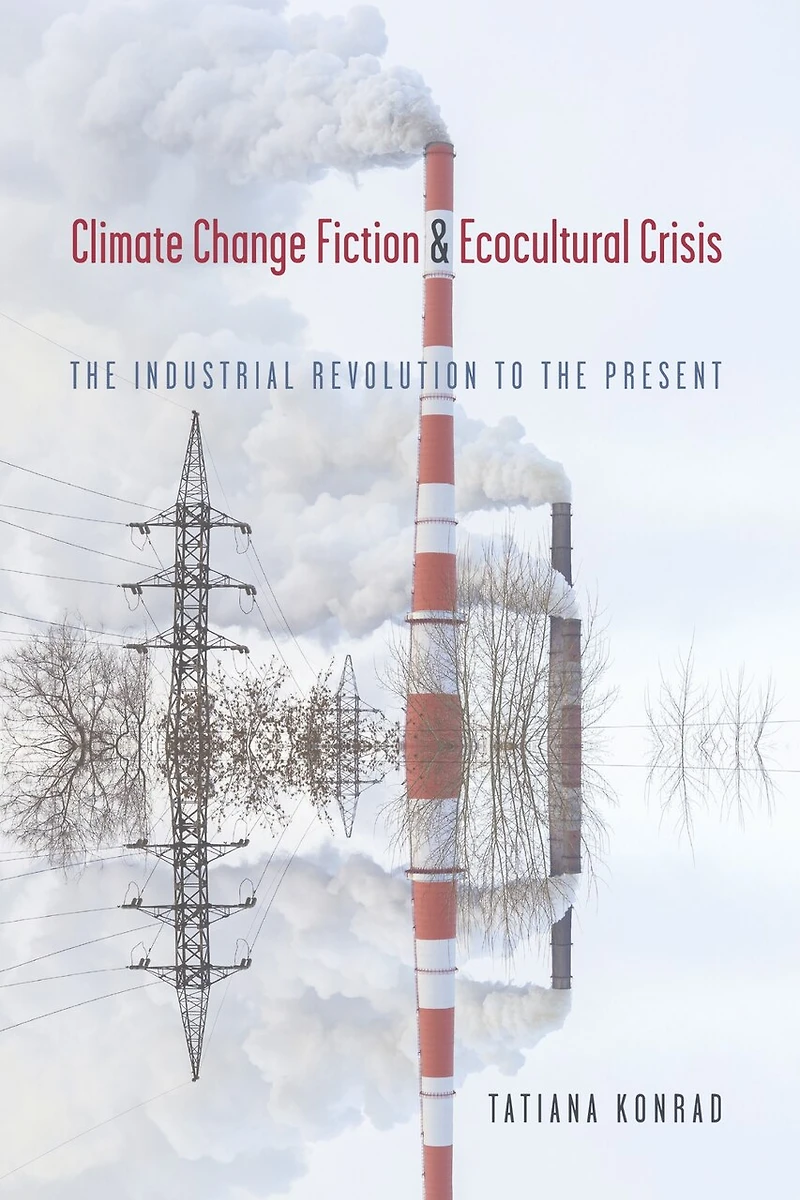
Climate Change Fiction and Ecocultural Crisis: the Industrial Revolution to Present in Ottawa, ON
Current price: $48.79
Original price: $61.00

Climate Change Fiction and Ecocultural Crisis: the Industrial Revolution to Present in Ottawa, ON
Current price: $48.79
Original price: $61.00
Loading Inventory...
Size: Kobo eBook
*Product information may vary - to confirm product availability, pricing, shipping and return information please contact Coles
Concentrating on a powerful, emerging genre, Tatiana Konrad’s Climate Change Fiction and Ecocultural Crisis provides a survey of popular narratives that further our understanding of climate change in contemporary fiction. Konrad advocates for the expansion and redefinition of the cli-fi genre and argues that industrial fiction from the nineteenth century is the first example of climate change fiction. Tracing the ways through which cli-fi outlines a history of our modern ecocultural crisis, this book demonstrates how the genre employs four major thematic clusters to achieve this narrative: weather, science, religion, and place.
Focusing on a diverse range of issues, including fossil fuels, cheap energy, the intricacies of human–more-than-human relationships, and postcolonial geographies, Konrad illustrates how cli-fi transcends mere storytelling. The genre ultimately emerges as an important means to forecast, imagine, and contemplate climatic events.
The book invites a broadening of the environmental humanities discourse, asking readers not only to deepen their understanding of the current climate crisis, but also to consider how cli-fi culture can be viewed as an effective method to address climate change.
Concentrating on a powerful, emerging genre, Tatiana Konrad’s Climate Change Fiction and Ecocultural Crisis provides a survey of popular narratives that further our understanding of climate change in contemporary fiction. Konrad advocates for the expansion and redefinition of the cli-fi genre and argues that industrial fiction from the nineteenth century is the first example of climate change fiction. Tracing the ways through which cli-fi outlines a history of our modern ecocultural crisis, this book demonstrates how the genre employs four major thematic clusters to achieve this narrative: weather, science, religion, and place.
Focusing on a diverse range of issues, including fossil fuels, cheap energy, the intricacies of human–more-than-human relationships, and postcolonial geographies, Konrad illustrates how cli-fi transcends mere storytelling. The genre ultimately emerges as an important means to forecast, imagine, and contemplate climatic events.
The book invites a broadening of the environmental humanities discourse, asking readers not only to deepen their understanding of the current climate crisis, but also to consider how cli-fi culture can be viewed as an effective method to address climate change.
You May Also Like









More About Coles at Bayshore Shopping Centre
Coles is renowned for its outstanding customer service and great selection of books. Along with the vast array of magazines, stationary, audio-books, children's literature, fiction, non-fiction and reference books, you can find accessories to make your reading experience more pleasurable. We can recommend the very best in reading today. We will help you search our titles for exactly what you need, and if we do not have it in stock, we will order it for you.
100 Bayshore Dr, Nepean, ON K2B 8C1, Canada
Find Coles at Bayshore Shopping Centre in Ottawa, ON
Visit Coles at Bayshore Shopping Centre in Ottawa, ON