

Give the Gift of Choice!
Too many options? Treat your friends and family to their favourite stores with a Bayshore Shopping Centre gift card, redeemable at participating retailers throughout the centre. Click below to purchase yours today!Purchase HereHome
Clinical Communication: the Ideal of Patient Empowerment and Reality Vulnerability Dependence
Coles
Loading Inventory...
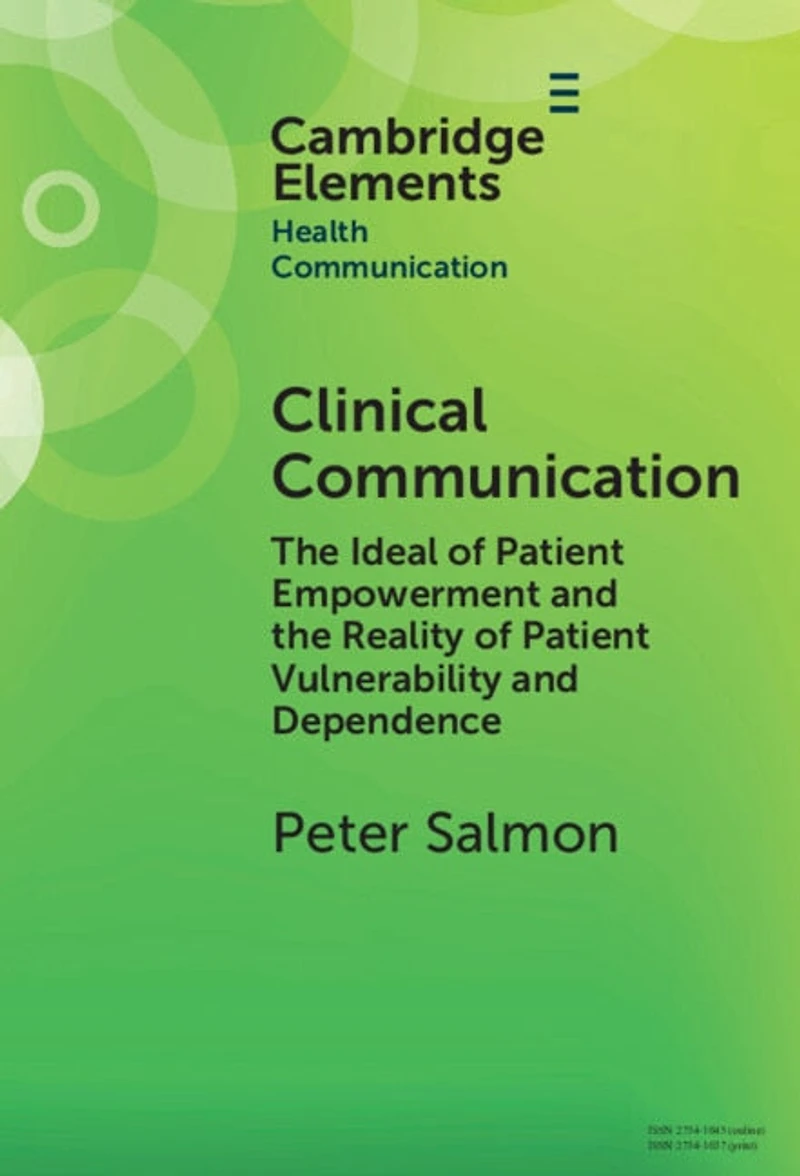
Clinical Communication: the Ideal of Patient Empowerment and Reality Vulnerability Dependence in Ottawa, ON
Current price: $94.73

Clinical Communication: the Ideal of Patient Empowerment and Reality Vulnerability Dependence in Ottawa, ON
Current price: $94.73
Loading Inventory...
Size: Hardcover
*Product information may vary - to confirm product availability, pricing, shipping and return information please contact Coles
Good communication is necessary for good clinical care, but defining good communication has been surprisingly difficult and controversial. Many current ideas that identify good communication with certain communication behaviours, or 'skills', were ethically inspired to help doctors see beyond disease to the whole patient. However, promoting specific behaviours is problematic because communication is contextually dependent. In recent decades, observational research into practitioner-patient relationships has begun to provide a scientific basis for the field, identifying patients' vulnerability and practitioners' authority as defining features of fundamentally asymmetric clinical relationships. Future educators can learn from research that explores the judgments that experienced practitioners make when they manage communication dilemmas arising from this asymmetry. In future, instead of the current emphasis on teaching communication behaviours, educators could provide practitioners with knowledge about relationships to inform those judgments, while addressing the attitudes and values that motivate and guide their communication.
Good communication is necessary for good clinical care, but defining good communication has been surprisingly difficult and controversial. Many current ideas that identify good communication with certain communication behaviours, or 'skills', were ethically inspired to help doctors see beyond disease to the whole patient. However, promoting specific behaviours is problematic because communication is contextually dependent. In recent decades, observational research into practitioner-patient relationships has begun to provide a scientific basis for the field, identifying patients' vulnerability and practitioners' authority as defining features of fundamentally asymmetric clinical relationships. Future educators can learn from research that explores the judgments that experienced practitioners make when they manage communication dilemmas arising from this asymmetry. In future, instead of the current emphasis on teaching communication behaviours, educators could provide practitioners with knowledge about relationships to inform those judgments, while addressing the attitudes and values that motivate and guide their communication.
You May Also Like











More About Coles at Bayshore Shopping Centre
Coles is renowned for its outstanding customer service and great selection of books. Along with the vast array of magazines, stationary, audio-books, children's literature, fiction, non-fiction and reference books, you can find accessories to make your reading experience more pleasurable. We can recommend the very best in reading today. We will help you search our titles for exactly what you need, and if we do not have it in stock, we will order it for you.
100 Bayshore Dr, Nepean, ON K2B 8C1, Canada
Find Coles at Bayshore Shopping Centre in Ottawa, ON
Visit Coles at Bayshore Shopping Centre in Ottawa, ON