

Give the Gift of Choice!
Too many options? Treat your friends and family to their favourite stores with a Bayshore Shopping Centre gift card, redeemable at participating retailers throughout the centre. Click below to purchase yours today!Purchase HereHome
Clinical Investigation of the Microcirculation: Proceedings Meeting on Microcirculation held at London, England September, 1985
Coles
Loading Inventory...
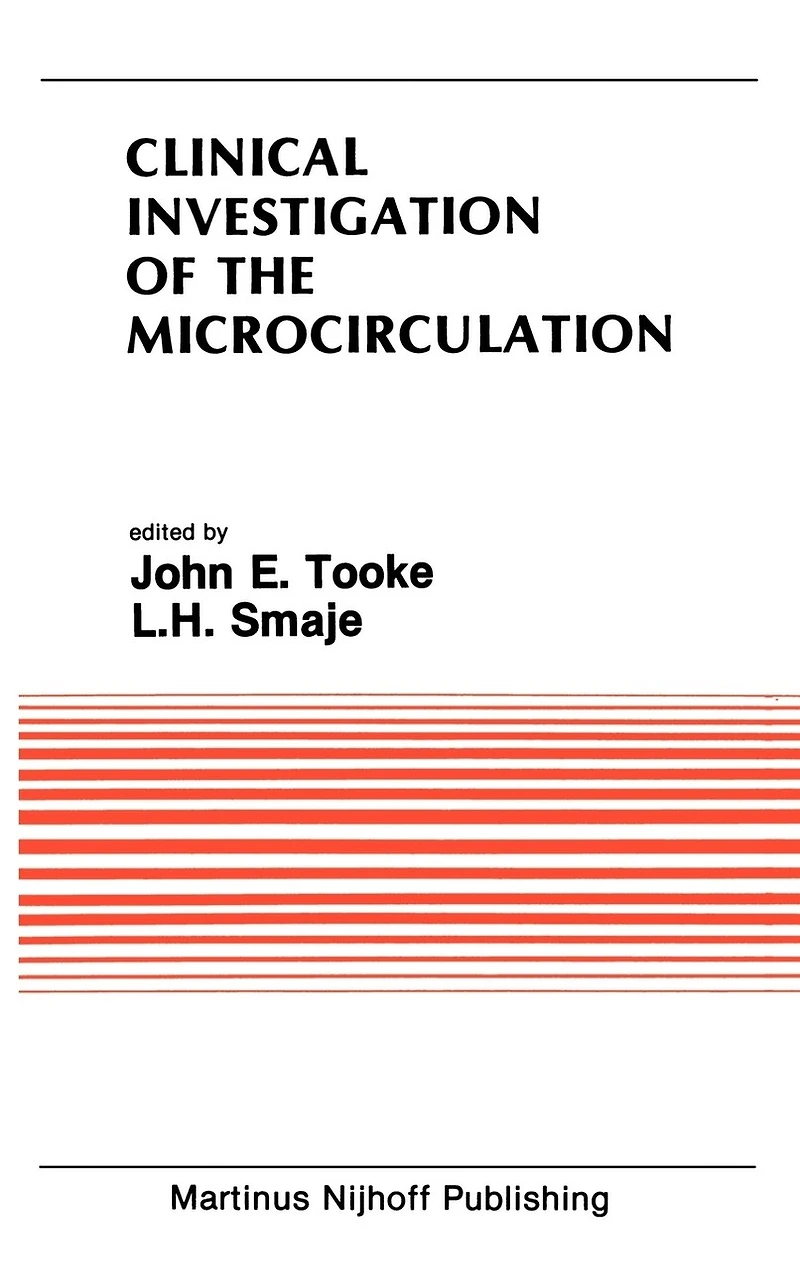
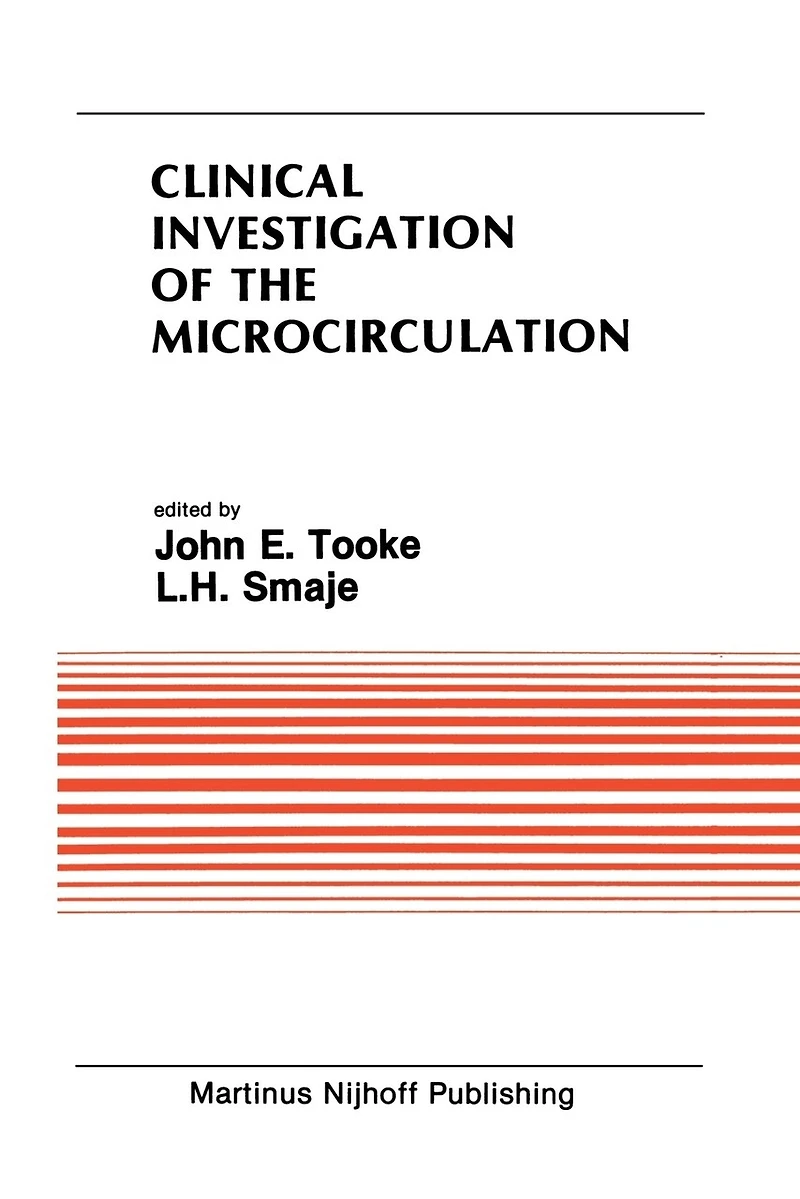
Clinical Investigation of the Microcirculation: Proceedings Meeting on Microcirculation held at London, England September, 1985 in Ottawa, ON
Current price: $220.95

Clinical Investigation of the Microcirculation: Proceedings Meeting on Microcirculation held at London, England September, 1985 in Ottawa, ON
Current price: $220.95
Loading Inventory...
Size: Hardcover
*Product information may vary - to confirm product availability, pricing, shipping and return information please contact Coles
In 1628 William Harvey published his discovery of the existence of the microcirculation which he deduced from careful anatomical and physiological study. Thirty-three years later, Malpighi confirmed the presence of capillaries through direct microscopical observation. Subsequent scientific advance has been slow, and in view of the fact that microvascular in the genesis and expression of many pathophysiology may be implicated diseases, our know ledge of human microvascular function is surprisingly limited. This ignorance attests to the difficulty of studying something that is both minute and inaccessible without disturbing the quantity that is being measured. In the last fifteen years, however, direct techniques have been developed for studying human microvascular pressure, flow and permeability. These methods have provided new insights into human microvascular function in health and disease. At the same time there has been a steady growth of new indirect techniques based on a w ide range of physical principles that reflect some or other aspect of microvascular function.
In 1628 William Harvey published his discovery of the existence of the microcirculation which he deduced from careful anatomical and physiological study. Thirty-three years later, Malpighi confirmed the presence of capillaries through direct microscopical observation. Subsequent scientific advance has been slow, and in view of the fact that microvascular in the genesis and expression of many pathophysiology may be implicated diseases, our know ledge of human microvascular function is surprisingly limited. This ignorance attests to the difficulty of studying something that is both minute and inaccessible without disturbing the quantity that is being measured. In the last fifteen years, however, direct techniques have been developed for studying human microvascular pressure, flow and permeability. These methods have provided new insights into human microvascular function in health and disease. At the same time there has been a steady growth of new indirect techniques based on a w ide range of physical principles that reflect some or other aspect of microvascular function.
You May Also Like















More About Coles at Bayshore Shopping Centre
Coles is renowned for its outstanding customer service and great selection of books. Along with the vast array of magazines, stationary, audio-books, children's literature, fiction, non-fiction and reference books, you can find accessories to make your reading experience more pleasurable. We can recommend the very best in reading today. We will help you search our titles for exactly what you need, and if we do not have it in stock, we will order it for you.
100 Bayshore Dr, Nepean, ON K2B 8C1, Canada
Find Coles at Bayshore Shopping Centre in Ottawa, ON
Visit Coles at Bayshore Shopping Centre in Ottawa, ON