

Give the Gift of Choice!
Too many options? Treat your friends and family to their favourite stores with a Bayshore Shopping Centre gift card, redeemable at participating retailers throughout the centre. Click below to purchase yours today!Purchase HereHome
Close to Home: Local Ties and Voting Radical Right Europe
Coles
Loading Inventory...
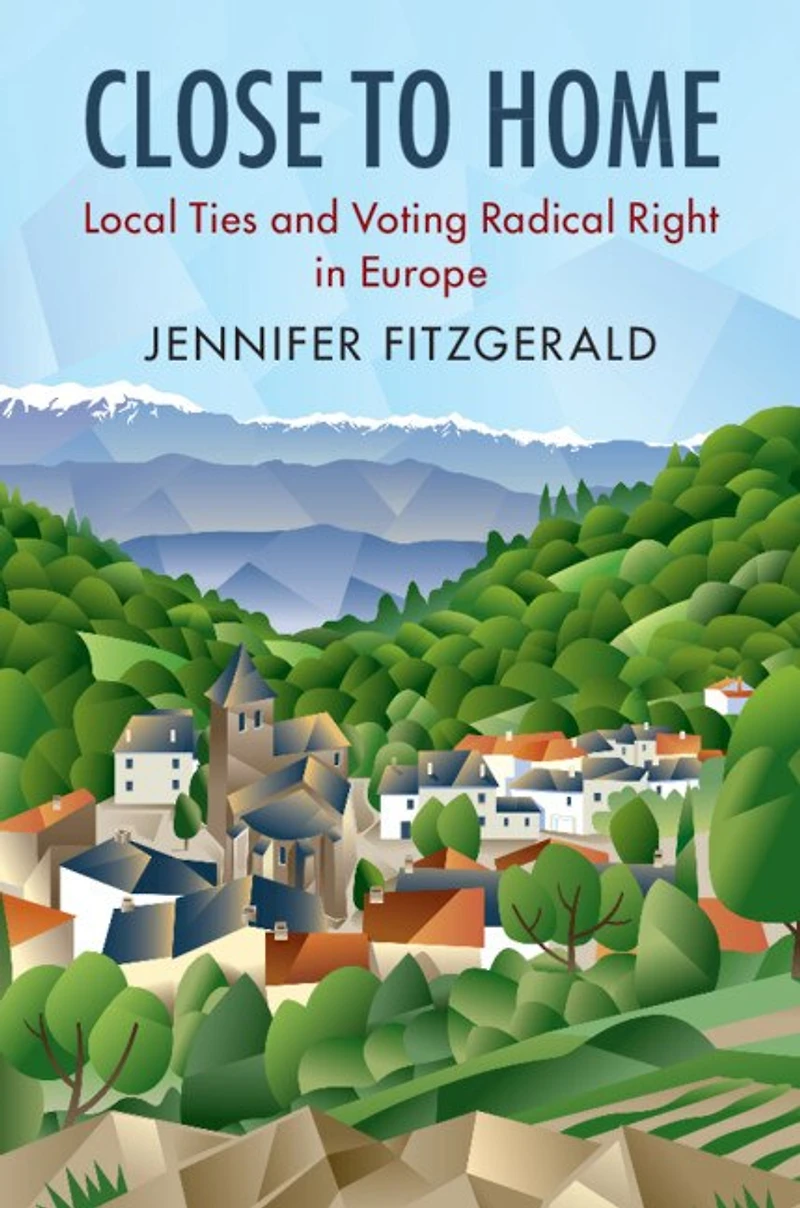
Close to Home: Local Ties and Voting Radical Right Europe in Ottawa, ON
Current price: $144.95

Close to Home: Local Ties and Voting Radical Right Europe in Ottawa, ON
Current price: $144.95
Loading Inventory...
Size: Hardcover
*Product information may vary - to confirm product availability, pricing, shipping and return information please contact Coles
Who votes for radical right parties and why? This book argues that the increasing popularity of the radical right in Europe originates in community bonds: strong ties to one's locality motivate support for the radical right. These parties use nostalgic themes and symbolic politicking to idealize community, defend local autonomy, and ultimately draw local identity into the electoral realm. While other explanations of the radical right's popularity typify supporters as victims of macro-economic shifts and strains, the author's account explores people's day-to-day experiences that link local connections to political decisions. The analysis also raises questions about the political implications of different formal authority structures such as the level and nature of power devolved to local units. The localist model of radical right support illuminates the psychological, social, and institutional conditions and processes that render people's feelings about their cities, towns, and villages relevant for politics.
Who votes for radical right parties and why? This book argues that the increasing popularity of the radical right in Europe originates in community bonds: strong ties to one's locality motivate support for the radical right. These parties use nostalgic themes and symbolic politicking to idealize community, defend local autonomy, and ultimately draw local identity into the electoral realm. While other explanations of the radical right's popularity typify supporters as victims of macro-economic shifts and strains, the author's account explores people's day-to-day experiences that link local connections to political decisions. The analysis also raises questions about the political implications of different formal authority structures such as the level and nature of power devolved to local units. The localist model of radical right support illuminates the psychological, social, and institutional conditions and processes that render people's feelings about their cities, towns, and villages relevant for politics.
You May Also Like
















More About Coles at Bayshore Shopping Centre
Coles is renowned for its outstanding customer service and great selection of books. Along with the vast array of magazines, stationary, audio-books, children's literature, fiction, non-fiction and reference books, you can find accessories to make your reading experience more pleasurable. We can recommend the very best in reading today. We will help you search our titles for exactly what you need, and if we do not have it in stock, we will order it for you.
100 Bayshore Dr, Nepean, ON K2B 8C1, Canada
Find Coles at Bayshore Shopping Centre in Ottawa, ON
Visit Coles at Bayshore Shopping Centre in Ottawa, ON