

Give the Gift of Choice!
Too many options? Treat your friends and family to their favourite stores with a Bayshore Shopping Centre gift card, redeemable at participating retailers throughout the centre. Click below to purchase yours today!Purchase HereHome
Cocaine Trafficking In Latin America: Eu And Us Policy Responses
Coles
Loading Inventory...
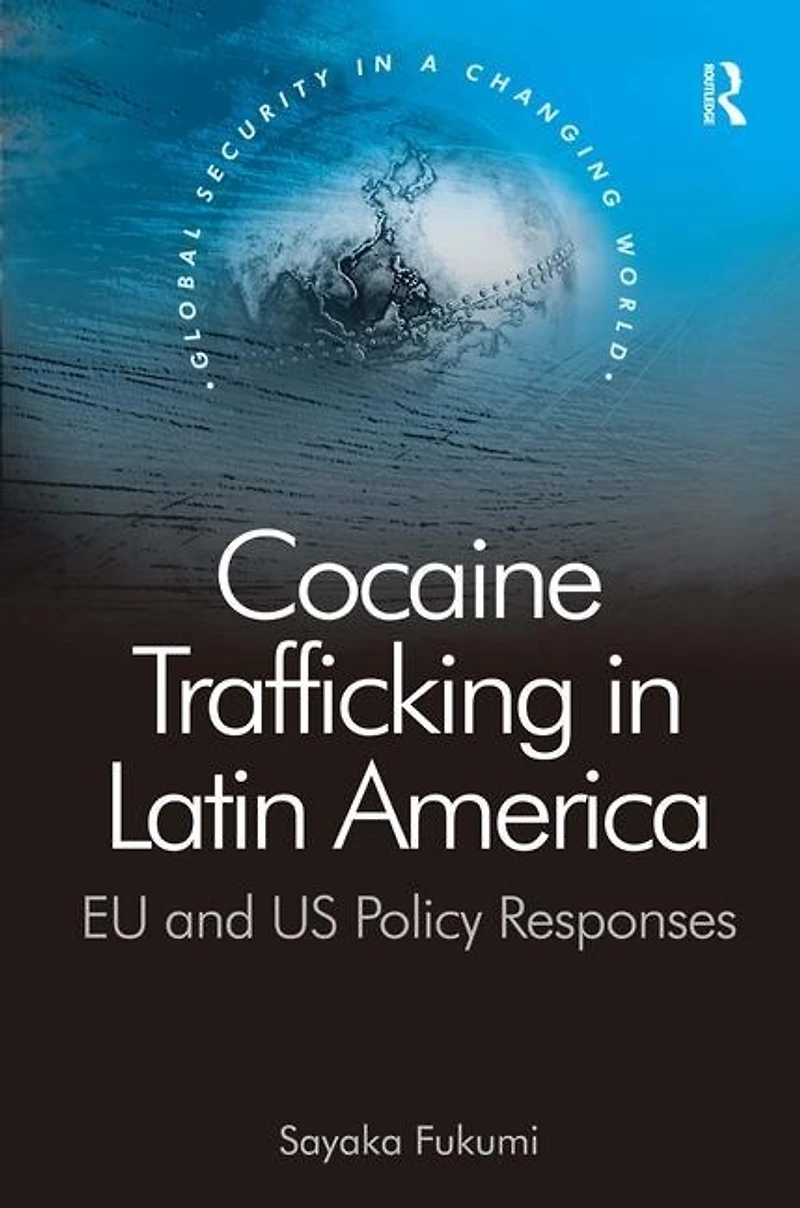
Cocaine Trafficking In Latin America: Eu And Us Policy Responses in Ottawa, ON
Current price: $224.00

Cocaine Trafficking In Latin America: Eu And Us Policy Responses in Ottawa, ON
Current price: $224.00
Loading Inventory...
Size: Hardcover
*Product information may vary - to confirm product availability, pricing, shipping and return information please contact Coles
The post-Cold War world has seen the emergence of new kinds of security threats. Whilst traditionally security threats were perceived of in terms of military threats against a state, non-traditional security threats are those that pose a threat to various internal competencies of the state and its identity both home and abroad. The European Union and the United States have identified Latin American cocaine trafficking as a security threat, but their policy responses to it have differed. This book examines the ways in which the EU and the US have conceptualized this threat. Furthermore, it explores the impact of cocaine trafficking on four state functions - economic, political, public order and diplomatic - in order to explain why it has become ''securitized''. Appealing to a variety of university courses, this book is especially relevant to security studies and European and US policy analysis, as well as criminology and sociology.
The post-Cold War world has seen the emergence of new kinds of security threats. Whilst traditionally security threats were perceived of in terms of military threats against a state, non-traditional security threats are those that pose a threat to various internal competencies of the state and its identity both home and abroad. The European Union and the United States have identified Latin American cocaine trafficking as a security threat, but their policy responses to it have differed. This book examines the ways in which the EU and the US have conceptualized this threat. Furthermore, it explores the impact of cocaine trafficking on four state functions - economic, political, public order and diplomatic - in order to explain why it has become ''securitized''. Appealing to a variety of university courses, this book is especially relevant to security studies and European and US policy analysis, as well as criminology and sociology.
You May Also Like







More About Coles at Bayshore Shopping Centre
Coles is renowned for its outstanding customer service and great selection of books. Along with the vast array of magazines, stationary, audio-books, children's literature, fiction, non-fiction and reference books, you can find accessories to make your reading experience more pleasurable. We can recommend the very best in reading today. We will help you search our titles for exactly what you need, and if we do not have it in stock, we will order it for you.
100 Bayshore Dr, Nepean, ON K2B 8C1, Canada
Find Coles at Bayshore Shopping Centre in Ottawa, ON
Visit Coles at Bayshore Shopping Centre in Ottawa, ON