

Give the Gift of Choice!
Too many options? Treat your friends and family to their favourite stores with a Bayshore Shopping Centre gift card, redeemable at participating retailers throughout the centre. Click below to purchase yours today!Purchase HereHome
Coconut Palm - Redefined for Bioeconomy
Coles
Loading Inventory...
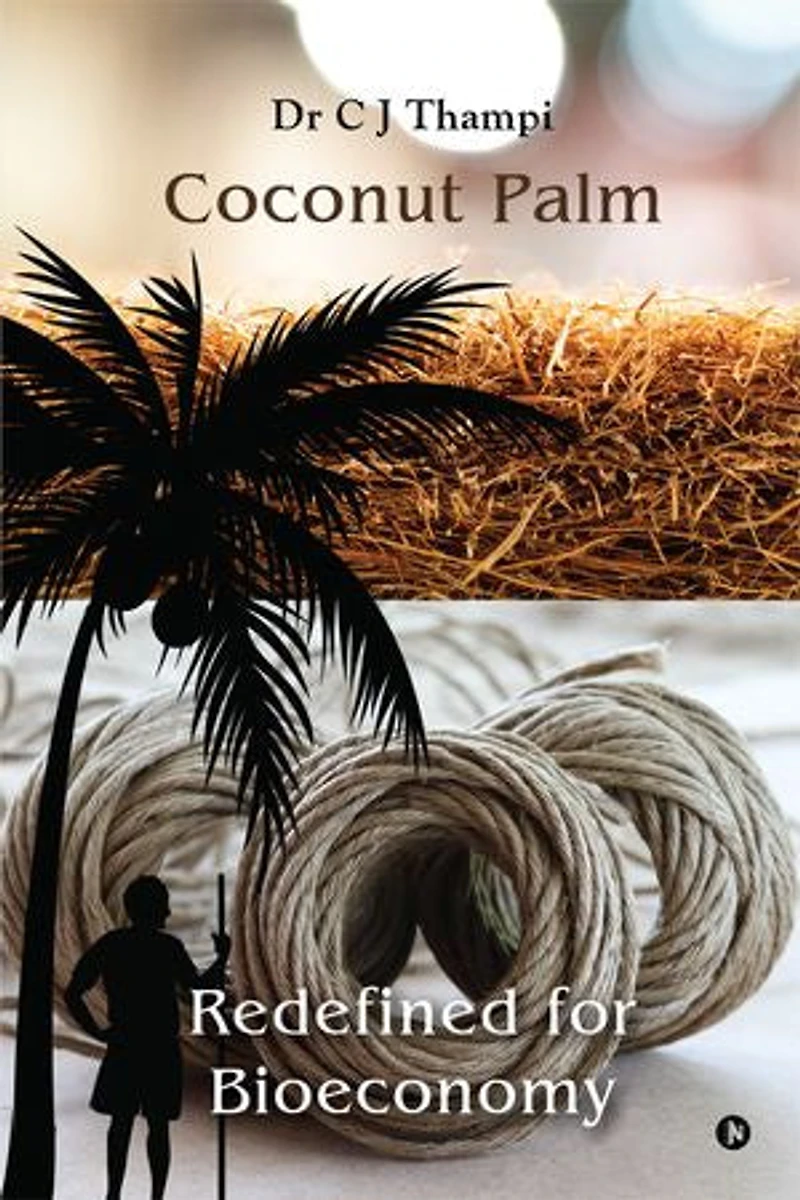
Coconut Palm - Redefined for Bioeconomy in Ottawa, ON
Current price: $4.42

Coconut Palm - Redefined for Bioeconomy in Ottawa, ON
Current price: $4.42
Loading Inventory...
Size: Kobo eBook
*Product information may vary - to confirm product availability, pricing, shipping and return information please contact Coles
What is wrong with the good old coconut palm? Nothing by itself, after all its the 'Kalpa Vriksha' of the state of Kerala that draws it very name from. But the humble palm happens to be the most wronged among all natural fibre crops in India. Reasons range from its wrong agricultural classification as an' oil crop of horticultural origin;' prioritisation as a food crop at the expense of its bio industrial credentials; total neglect of the husk that supplies coir fibre and pith to an industry employing lakhs of impoverished labour; to lack of R&D that would have helped raise its stakes in the state's agricultural economy. This holds a mirror to the situation prevailing even in the 93 growing countries, and calls for a serious probe on how stakeholders have chosen to look the other way even as the crop began to rot in India all these long years.
What is wrong with the good old coconut palm? Nothing by itself, after all its the 'Kalpa Vriksha' of the state of Kerala that draws it very name from. But the humble palm happens to be the most wronged among all natural fibre crops in India. Reasons range from its wrong agricultural classification as an' oil crop of horticultural origin;' prioritisation as a food crop at the expense of its bio industrial credentials; total neglect of the husk that supplies coir fibre and pith to an industry employing lakhs of impoverished labour; to lack of R&D that would have helped raise its stakes in the state's agricultural economy. This holds a mirror to the situation prevailing even in the 93 growing countries, and calls for a serious probe on how stakeholders have chosen to look the other way even as the crop began to rot in India all these long years.
You May Also Like










More About Coles at Bayshore Shopping Centre
Coles is renowned for its outstanding customer service and great selection of books. Along with the vast array of magazines, stationary, audio-books, children's literature, fiction, non-fiction and reference books, you can find accessories to make your reading experience more pleasurable. We can recommend the very best in reading today. We will help you search our titles for exactly what you need, and if we do not have it in stock, we will order it for you.
100 Bayshore Dr, Nepean, ON K2B 8C1, Canada
Find Coles at Bayshore Shopping Centre in Ottawa, ON
Visit Coles at Bayshore Shopping Centre in Ottawa, ON