

Give the Gift of Choice!
Too many options? Treat your friends and family to their favourite stores with a Bayshore Shopping Centre gift card, redeemable at participating retailers throughout the centre. Click below to purchase yours today!Purchase HereHome
Code Politics: Campaigns and Cultures on the Canadian Prairies
Coles
Loading Inventory...
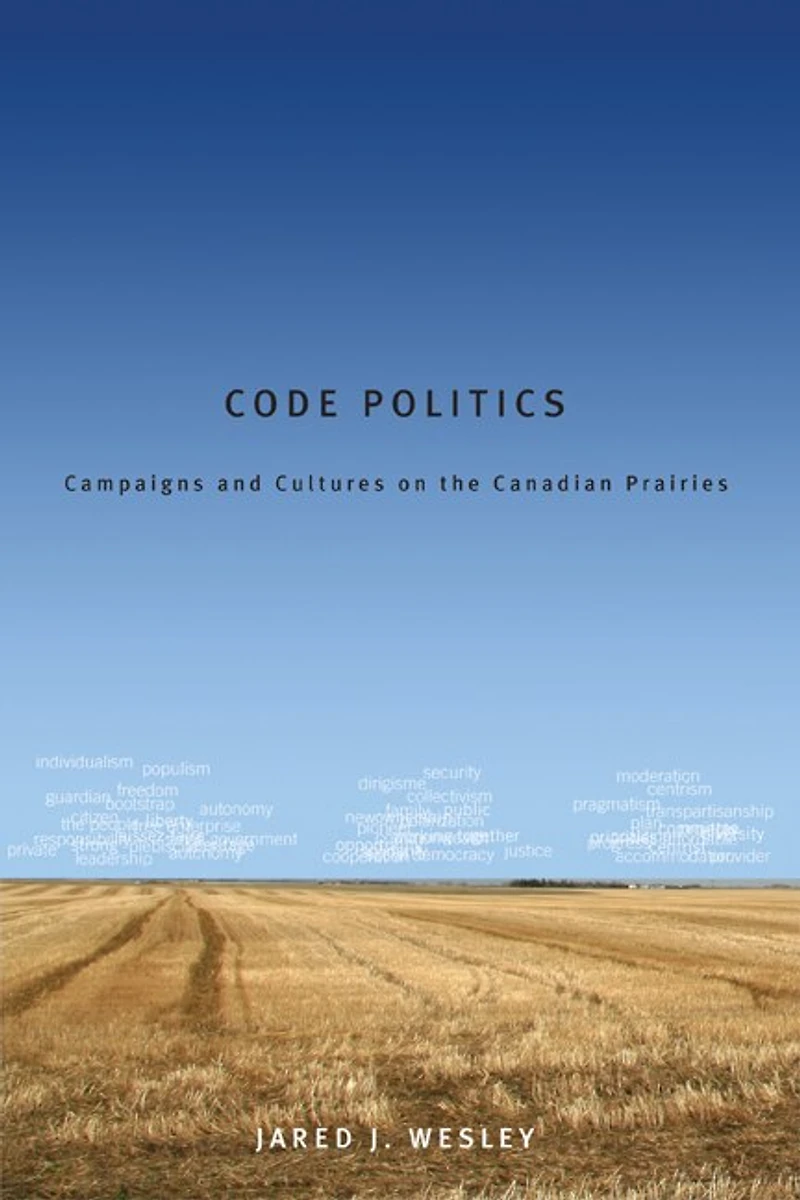
Code Politics: Campaigns and Cultures on the Canadian Prairies in Ottawa, ON
Current price: $95.00

Code Politics: Campaigns and Cultures on the Canadian Prairies in Ottawa, ON
Current price: $95.00
Loading Inventory...
Size: Hardcover
*Product information may vary - to confirm product availability, pricing, shipping and return information please contact Coles
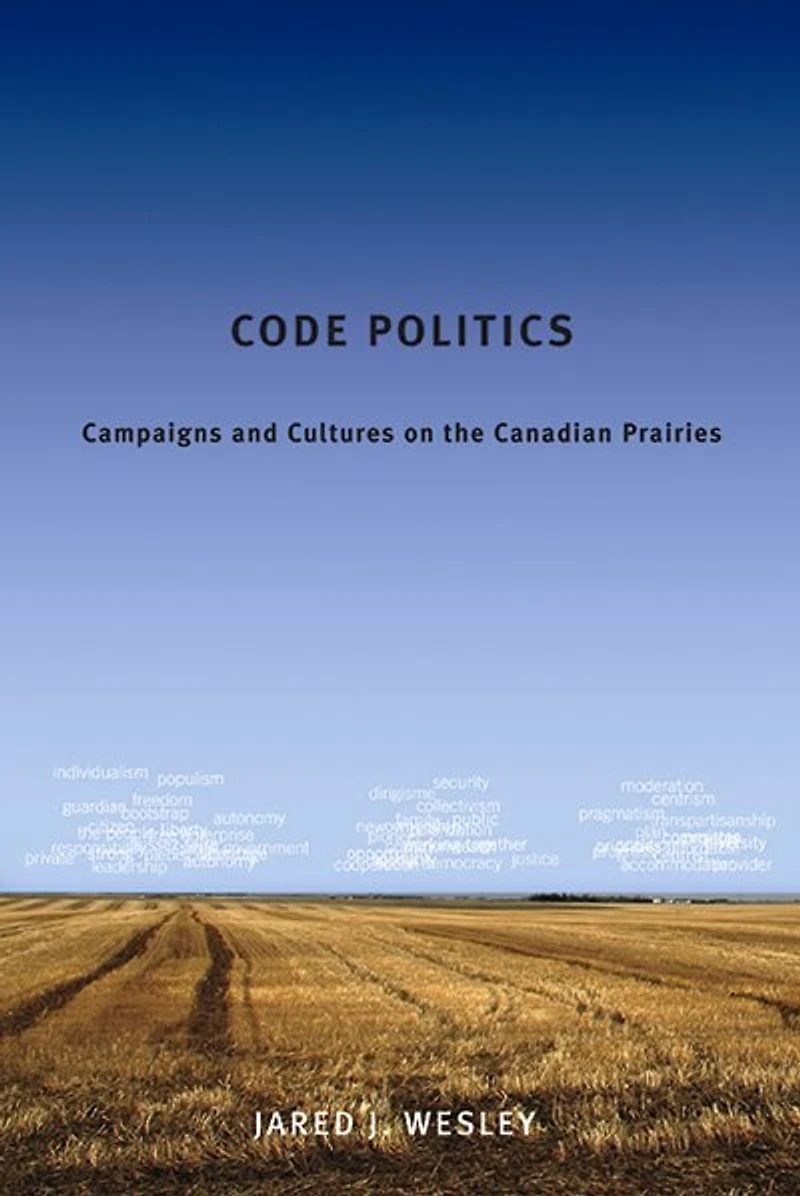
Politics on the Canadian Prairies are puzzling. The provinces share a common landscape and history, but they have nurtured three distinct political cultures – Alberta is Canada’s bastion of conservatism, Saskatchewan its cradle of social democracy, and Manitoba its progressive centre. The roots of these cultures run deep, yet their persistence over a century has yet to be explained. Drawing on over eight hundred pieces of campaign literature, Jared Wesley reveals that dominant political parties have used one key device – rhetoric – to foster and carry forward their province’s cultural values or political code. Social Credit and Progressive Conservative leaders in Alberta emphasized freedom, whereas New Democrats in Saskatchewan stressed security. Successful politicians in Manitoba, by contrast, underscored the importance of moderation. Although the content of their campaigns differed, leaders from William Aberhart to Tommy Douglas to Gary Doer have employed distinct codes to ensure their parties’ success and shape their provinces’ political landscapes.
Politics on the Canadian Prairies are puzzling. The provinces share a common landscape and history, but they have nurtured three distinct political cultures – Alberta is Canada’s bastion of conservatism, Saskatchewan its cradle of social democracy, and Manitoba its progressive centre. The roots of these cultures run deep, yet their persistence over a century has yet to be explained. Drawing on over eight hundred pieces of campaign literature, Jared Wesley reveals that dominant political parties have used one key device – rhetoric – to foster and carry forward their province’s cultural values or political code. Social Credit and Progressive Conservative leaders in Alberta emphasized freedom, whereas New Democrats in Saskatchewan stressed security. Successful politicians in Manitoba, by contrast, underscored the importance of moderation. Although the content of their campaigns differed, leaders from William Aberhart to Tommy Douglas to Gary Doer have employed distinct codes to ensure their parties’ success and shape their provinces’ political landscapes.
You May Also Like








More About Coles at Bayshore Shopping Centre
Coles is renowned for its outstanding customer service and great selection of books. Along with the vast array of magazines, stationary, audio-books, children's literature, fiction, non-fiction and reference books, you can find accessories to make your reading experience more pleasurable. We can recommend the very best in reading today. We will help you search our titles for exactly what you need, and if we do not have it in stock, we will order it for you.
100 Bayshore Dr, Nepean, ON K2B 8C1, Canada
Find Coles at Bayshore Shopping Centre in Ottawa, ON
Visit Coles at Bayshore Shopping Centre in Ottawa, ON