

Give the Gift of Choice!
Too many options? Treat your friends and family to their favourite stores with a Bayshore Shopping Centre gift card, redeemable at participating retailers throughout the centre. Click below to purchase yours today!Purchase HereHome
Cognitive Linguistics, Second Language Acquisition, and Foreign Language Teaching
Coles
Loading Inventory...
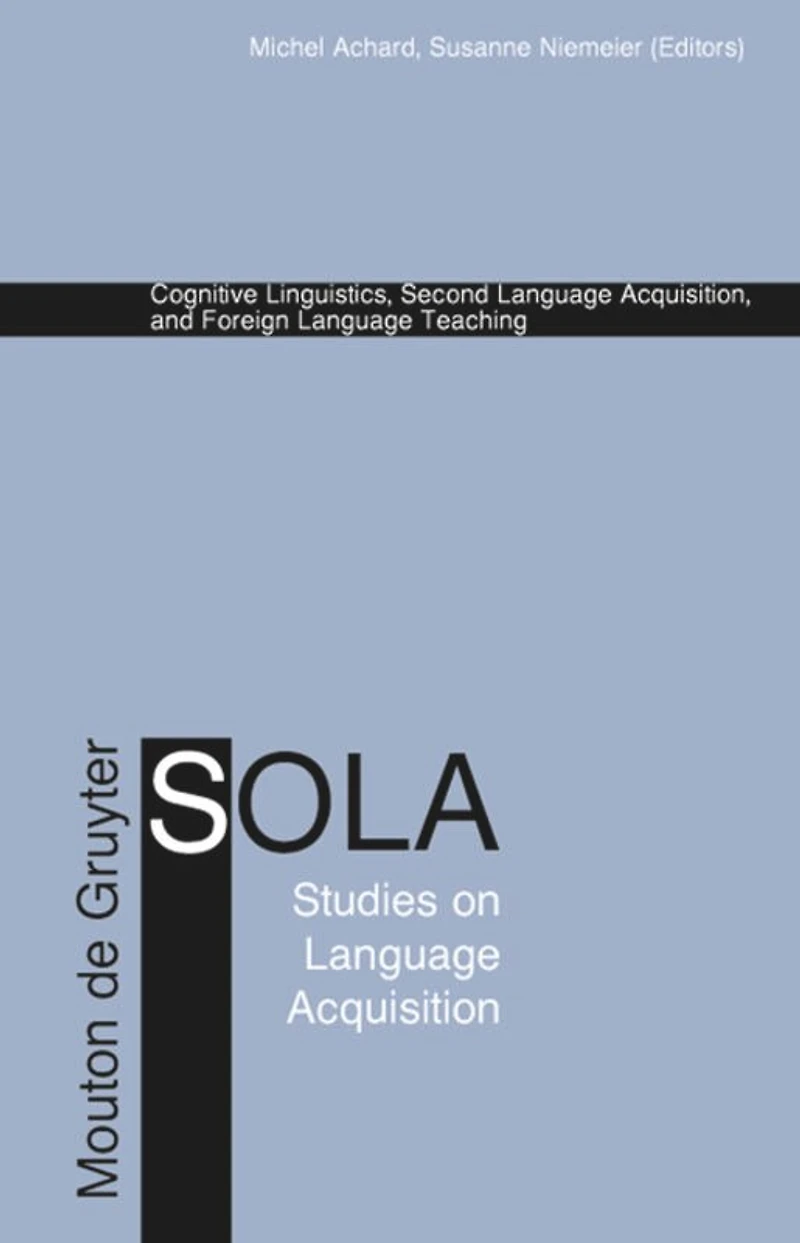
Cognitive Linguistics, Second Language Acquisition, and Foreign Language Teaching in Ottawa, ON
Current price: $465.99

Cognitive Linguistics, Second Language Acquisition, and Foreign Language Teaching in Ottawa, ON
Current price: $465.99
Loading Inventory...
Size: Hardcover
*Product information may vary - to confirm product availability, pricing, shipping and return information please contact Coles
This collection of twelve papers demonstrates that the concepts developed within the Cognitive Linguistics movement afford an insightful perspective on several important areas of second language acquisition and pedagogy. In the first part of the book, three papers show how three Cognitive Linguistics constructs provide a useful theoretical frame within which second language acquisition data can be analyzed. First, Talmy's typology of motion events is argued to constitute the base relative to which acquisition discrepancies in motion events are most valuably investigated. Secondly, the notion of "construction" is invoked in order to account for systematic differences between the native and non-native speakers' use of the English verb get. Finally, frequency and similarity effects are shown to play a crucial part in the learning of prepositions in a second language. The second part of the book shows that the key concepts commonly invoked in Cognitive Linguistics analyses allow language teachers to insightfully structure the presentation of problematic material in the foreign language classroom. These concepts include among others polysemy, the figure/ground gestalt, the usage-based conception of grammar, the radial organization of categories, metaphors, and cultural scripts. The Cognitive Linguistics paradigm has already shown its viability to analyze a wide array of linguistic phenomena. This book establishes its relevance in the areas of second language acquisition and language pedagogy. Its intended public is composed of Cognitive Linguists, Second Language Acquisition specialists, as well as foreign language pedagogy researchers, instructors, and students.
This collection of twelve papers demonstrates that the concepts developed within the Cognitive Linguistics movement afford an insightful perspective on several important areas of second language acquisition and pedagogy. In the first part of the book, three papers show how three Cognitive Linguistics constructs provide a useful theoretical frame within which second language acquisition data can be analyzed. First, Talmy's typology of motion events is argued to constitute the base relative to which acquisition discrepancies in motion events are most valuably investigated. Secondly, the notion of "construction" is invoked in order to account for systematic differences between the native and non-native speakers' use of the English verb get. Finally, frequency and similarity effects are shown to play a crucial part in the learning of prepositions in a second language. The second part of the book shows that the key concepts commonly invoked in Cognitive Linguistics analyses allow language teachers to insightfully structure the presentation of problematic material in the foreign language classroom. These concepts include among others polysemy, the figure/ground gestalt, the usage-based conception of grammar, the radial organization of categories, metaphors, and cultural scripts. The Cognitive Linguistics paradigm has already shown its viability to analyze a wide array of linguistic phenomena. This book establishes its relevance in the areas of second language acquisition and language pedagogy. Its intended public is composed of Cognitive Linguists, Second Language Acquisition specialists, as well as foreign language pedagogy researchers, instructors, and students.
You May Also Like












More About Coles at Bayshore Shopping Centre
Coles is renowned for its outstanding customer service and great selection of books. Along with the vast array of magazines, stationary, audio-books, children's literature, fiction, non-fiction and reference books, you can find accessories to make your reading experience more pleasurable. We can recommend the very best in reading today. We will help you search our titles for exactly what you need, and if we do not have it in stock, we will order it for you.
100 Bayshore Dr, Nepean, ON K2B 8C1, Canada
Find Coles at Bayshore Shopping Centre in Ottawa, ON
Visit Coles at Bayshore Shopping Centre in Ottawa, ON