

Give the Gift of Choice!
Too many options? Treat your friends and family to their favourite stores with a Bayshore Shopping Centre gift card, redeemable at participating retailers throughout the centre. Click below to purchase yours today!Purchase HereHome
Cognitive Plausibility Natural Language Processing
Coles
Loading Inventory...
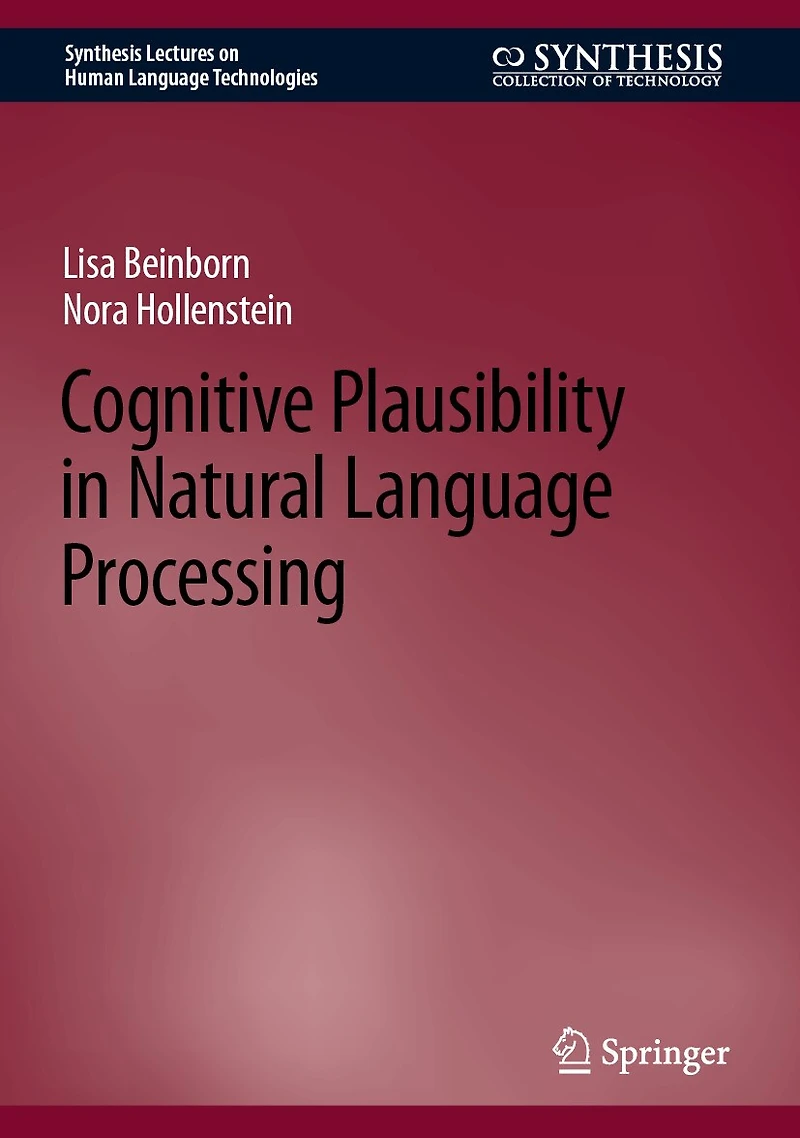
Cognitive Plausibility Natural Language Processing in Ottawa, ON
Current price: $65.95

Cognitive Plausibility Natural Language Processing in Ottawa, ON
Current price: $65.95
Loading Inventory...
Size: Hardcover
*Product information may vary - to confirm product availability, pricing, shipping and return information please contact Coles
This book explores the cognitive plausibility of computational language models and why it's an important factor in their development and evaluation. The authors present the idea that more can be learned about cognitive plausibility of computational language models by linking signals of cognitive processing load in humans to interpretability methods that allow for exploration of the hidden mechanisms of neural models. The book identifies limitations when applying the existing methodology for representational analyses to contextualized settings and critiques the current emphasis on form over more grounded approaches to modeling language. The authors discuss how novel techniques for transfer and curriculum learning could lead to cognitively more plausible generalization capabilities in models. The book also highlights the importance of instance-level evaluation and includes thorough discussion of the ethical considerations that may arise throughout the various stages of cognitive plausibility research.
This book explores the cognitive plausibility of computational language models and why it's an important factor in their development and evaluation. The authors present the idea that more can be learned about cognitive plausibility of computational language models by linking signals of cognitive processing load in humans to interpretability methods that allow for exploration of the hidden mechanisms of neural models. The book identifies limitations when applying the existing methodology for representational analyses to contextualized settings and critiques the current emphasis on form over more grounded approaches to modeling language. The authors discuss how novel techniques for transfer and curriculum learning could lead to cognitively more plausible generalization capabilities in models. The book also highlights the importance of instance-level evaluation and includes thorough discussion of the ethical considerations that may arise throughout the various stages of cognitive plausibility research.
You May Also Like
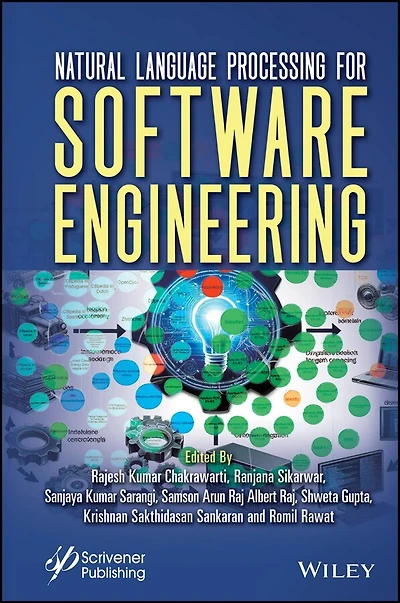


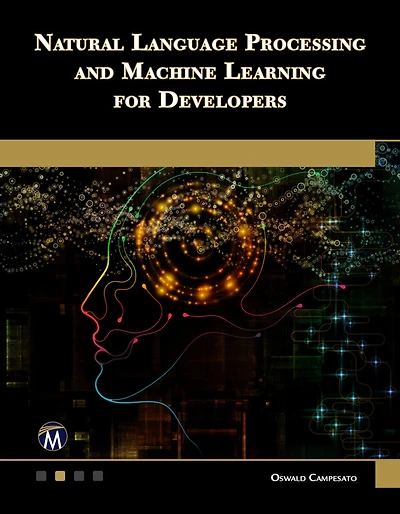








More About Coles at Bayshore Shopping Centre
Coles is renowned for its outstanding customer service and great selection of books. Along with the vast array of magazines, stationary, audio-books, children's literature, fiction, non-fiction and reference books, you can find accessories to make your reading experience more pleasurable. We can recommend the very best in reading today. We will help you search our titles for exactly what you need, and if we do not have it in stock, we will order it for you.
100 Bayshore Dr, Nepean, ON K2B 8C1, Canada
Find Coles at Bayshore Shopping Centre in Ottawa, ON
Visit Coles at Bayshore Shopping Centre in Ottawa, ON