

Give the Gift of Choice!
Too many options? Treat your friends and family to their favourite stores with a Bayshore Shopping Centre gift card, redeemable at participating retailers throughout the centre. Click below to purchase yours today!Purchase HereHome
Colombia and the United States: Hegemony Interdependence
Coles
Loading Inventory...
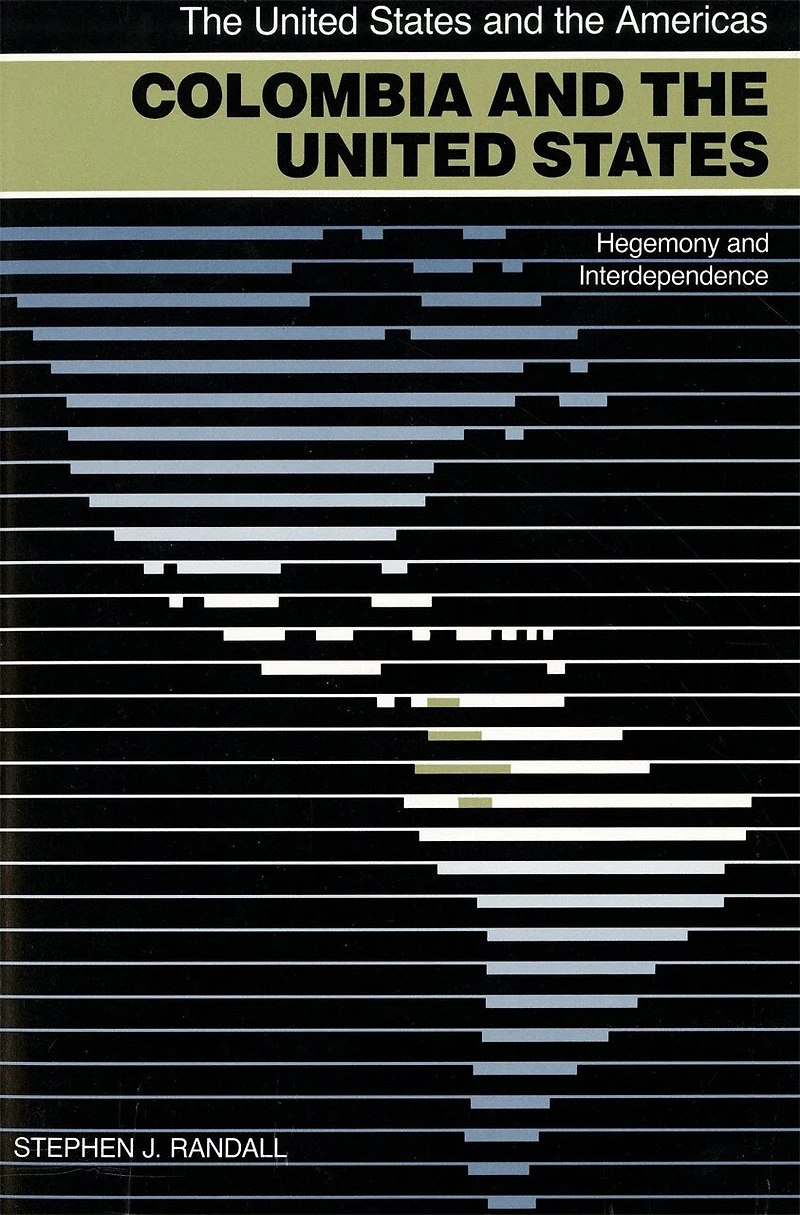
Colombia and the United States: Hegemony Interdependence in Ottawa, ON
Current price: $101.95

Colombia and the United States: Hegemony Interdependence in Ottawa, ON
Current price: $101.95
Loading Inventory...
Size: Hardcover (2000)
*Product information may vary - to confirm product availability, pricing, shipping and return information please contact Coles
Strategically located at the gateway to the South American continent, Colombia has long been a key player in shaping the United States' involvement with its Latin American neighbors. In this book Stephen J. Randall examines the course of U.S.-Colombian relations over two centuries, taking into account the broad spectrum of political, social, cultural, and economic contacts that have figured in the interaction.
A leader in the movement for independence from Spain in the early nineteenth century, Colombia shared with the United States the aspiration of becoming a leader for the entire hemisphere. Its early efforts in this direction—notably its initiation in the 1820s of the first Pan-American Conference—soon languished, however, as the unequal growth between the two countries took its toll. By the turn of the century, after years of destructive civil war, Colombia had slipped far behind its northern neighbor militarily, economically, and politically. The United States, meanwhile, had emerged as a great power, and the first major manifestation of the two countries' divergence came with the U.S.-supported secession of Panama in 1903—an event that deeply shocked Colombians and tainted their view of the United States for subsequent generations.
During the twentieth century, Randall explains, a tension in Colombian politics and culture has persisted between those who advocate an independent, even antagonistic, stance toward the United States and those who propound a policy of realism that accepts Colombia's place as a middle, regional power within the U.S. orbit. For its part, the United States has continually failed to realize that Colombians, with their European intellectual heritage stretching back four hundred years, do not see themselves as an insignificant Third World nation. The result has been an often strained relationship, which Randall traces through two world wars, economic booms and depressions, the Cold War, and, finally, the present-day guerrilla conflicts and drug trade controversies.
Drawing on archival sources in both countries, many previously unused, this book is the first comprehensive overview in more than fifty years of the U.S.-Colombian relationship.
Strategically located at the gateway to the South American continent, Colombia has long been a key player in shaping the United States' involvement with its Latin American neighbors. In this book Stephen J. Randall examines the course of U.S.-Colombian relations over two centuries, taking into account the broad spectrum of political, social, cultural, and economic contacts that have figured in the interaction.
A leader in the movement for independence from Spain in the early nineteenth century, Colombia shared with the United States the aspiration of becoming a leader for the entire hemisphere. Its early efforts in this direction—notably its initiation in the 1820s of the first Pan-American Conference—soon languished, however, as the unequal growth between the two countries took its toll. By the turn of the century, after years of destructive civil war, Colombia had slipped far behind its northern neighbor militarily, economically, and politically. The United States, meanwhile, had emerged as a great power, and the first major manifestation of the two countries' divergence came with the U.S.-supported secession of Panama in 1903—an event that deeply shocked Colombians and tainted their view of the United States for subsequent generations.
During the twentieth century, Randall explains, a tension in Colombian politics and culture has persisted between those who advocate an independent, even antagonistic, stance toward the United States and those who propound a policy of realism that accepts Colombia's place as a middle, regional power within the U.S. orbit. For its part, the United States has continually failed to realize that Colombians, with their European intellectual heritage stretching back four hundred years, do not see themselves as an insignificant Third World nation. The result has been an often strained relationship, which Randall traces through two world wars, economic booms and depressions, the Cold War, and, finally, the present-day guerrilla conflicts and drug trade controversies.
Drawing on archival sources in both countries, many previously unused, this book is the first comprehensive overview in more than fifty years of the U.S.-Colombian relationship.
You May Also Like








More About Coles at Bayshore Shopping Centre
Coles is renowned for its outstanding customer service and great selection of books. Along with the vast array of magazines, stationary, audio-books, children's literature, fiction, non-fiction and reference books, you can find accessories to make your reading experience more pleasurable. We can recommend the very best in reading today. We will help you search our titles for exactly what you need, and if we do not have it in stock, we will order it for you.
100 Bayshore Dr, Nepean, ON K2B 8C1, Canada
Find Coles at Bayshore Shopping Centre in Ottawa, ON
Visit Coles at Bayshore Shopping Centre in Ottawa, ON