

Give the Gift of Choice!
Too many options? Treat your friends and family to their favourite stores with a Bayshore Shopping Centre gift card, redeemable at participating retailers throughout the centre. Click below to purchase yours today!Purchase HereHome
Colonial Buganda and the End of Empire: Political Thought Historical Imagination Africa
Coles
Loading Inventory...
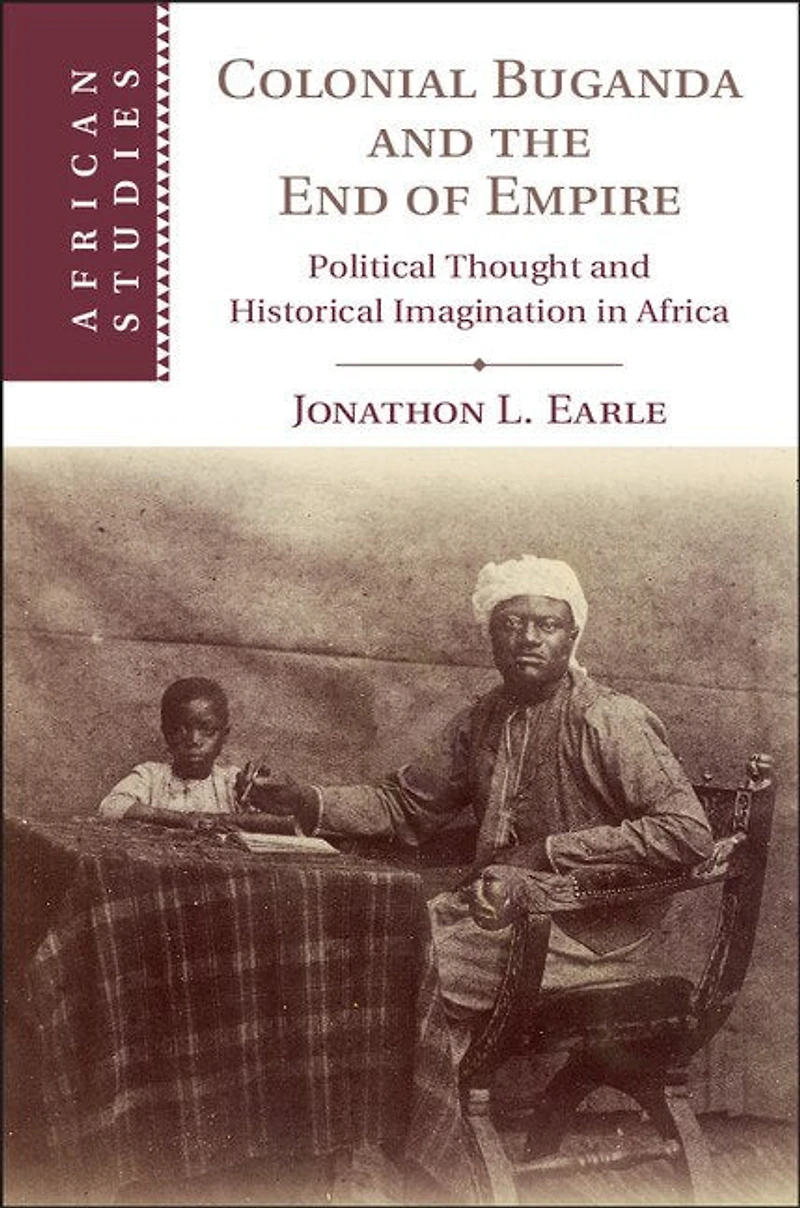
Colonial Buganda and the End of Empire: Political Thought Historical Imagination Africa in Ottawa, ON
Current price: $152.95

Colonial Buganda and the End of Empire: Political Thought Historical Imagination Africa in Ottawa, ON
Current price: $152.95
Loading Inventory...
Size: Hardcover
*Product information may vary - to confirm product availability, pricing, shipping and return information please contact Coles
Colonial Buganda was one of the most important and richly documented kingdoms in East Africa. In this book, Jonathon L. Earle offers the first global intellectual history of the Kingdom, using a series of case studies, interviews and previously inaccessible private archives to offer new insights concerning the multiple narratives used by intellectuals. Where previous studies on literacy in Africa have presupposed 'sacred' or 'secular' categories, Earle argues that activists blurred European epistemologies as they reworked colonial knowledge into vernacular debates about kingship and empire. Furthermore, by presenting Catholic, Muslim and Protestant histories and political perspectives in conversation with one another, he offers a nuanced picture of the religious and social environment. Through the lives, politics, and historical contexts of these African intellectuals, Earle presents an important argument about the end of empire, making the reader rethink the dynamics of political imagination and historical pluralism in the colonial and postcolonial state.
Colonial Buganda was one of the most important and richly documented kingdoms in East Africa. In this book, Jonathon L. Earle offers the first global intellectual history of the Kingdom, using a series of case studies, interviews and previously inaccessible private archives to offer new insights concerning the multiple narratives used by intellectuals. Where previous studies on literacy in Africa have presupposed 'sacred' or 'secular' categories, Earle argues that activists blurred European epistemologies as they reworked colonial knowledge into vernacular debates about kingship and empire. Furthermore, by presenting Catholic, Muslim and Protestant histories and political perspectives in conversation with one another, he offers a nuanced picture of the religious and social environment. Through the lives, politics, and historical contexts of these African intellectuals, Earle presents an important argument about the end of empire, making the reader rethink the dynamics of political imagination and historical pluralism in the colonial and postcolonial state.
You May Also Like








More About Coles at Bayshore Shopping Centre
Coles is renowned for its outstanding customer service and great selection of books. Along with the vast array of magazines, stationary, audio-books, children's literature, fiction, non-fiction and reference books, you can find accessories to make your reading experience more pleasurable. We can recommend the very best in reading today. We will help you search our titles for exactly what you need, and if we do not have it in stock, we will order it for you.
100 Bayshore Dr, Nepean, ON K2B 8C1, Canada
Find Coles at Bayshore Shopping Centre in Ottawa, ON
Visit Coles at Bayshore Shopping Centre in Ottawa, ON