

Give the Gift of Choice!
Too many options? Treat your friends and family to their favourite stores with a Bayshore Shopping Centre gift card, redeemable at participating retailers throughout the centre. Click below to purchase yours today!Purchase HereHome
Colours on East Asian Maps: Their Use and Materiality in China, Japan and Korea Between the Mid-17th and Early 20th Century
Coles
Loading Inventory...
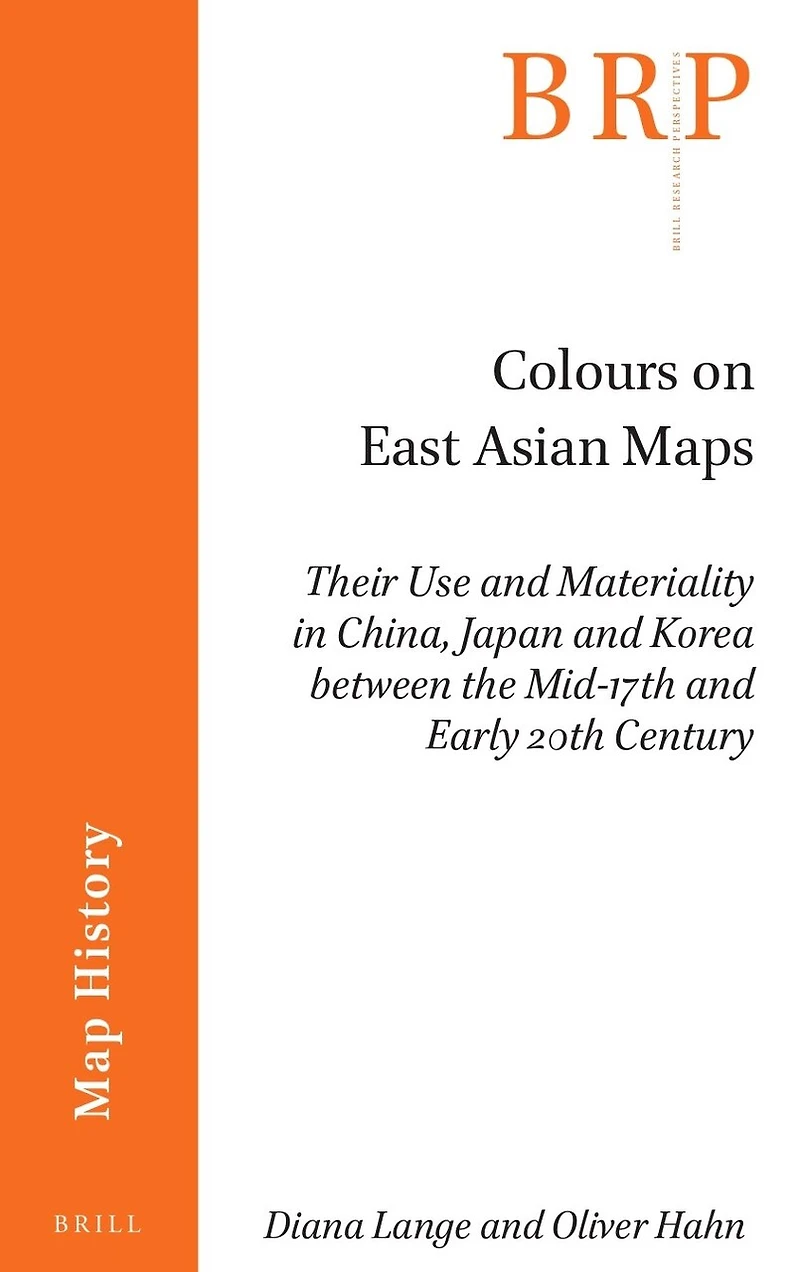
Colours on East Asian Maps: Their Use and Materiality in China, Japan and Korea Between the Mid-17th and Early 20th Century in Ottawa, ON
Current price: $109.99

Colours on East Asian Maps: Their Use and Materiality in China, Japan and Korea Between the Mid-17th and Early 20th Century in Ottawa, ON
Current price: $109.99
Loading Inventory...
Size: Paperback
*Product information may vary - to confirm product availability, pricing, shipping and return information please contact Coles
With a multi-perspective approach and transdisciplinary methods (humanities and sciences), this book offers an in-depth and systematic study of hand-drawn and hand-coloured maps from East Asia. Map colouring provides an insight into past societies, landscapes and territories. Colour is an important key to a more precise understanding of the map’s content, purposes and uses; moreover, colours are also an important aspect of a map’s materiality. The material scientific analysis of colourants makes it possible to find out more about maps’ material nature and their production as well as the social, geographical and political context in which they were made. ‘Reading’ colours in this way gives a glimpse into the social lives of mapmakers as well as map users and reveals the complexity of the historical and social context in which maps were produced and how the maps were actually made.
With a multi-perspective approach and transdisciplinary methods (humanities and sciences), this book offers an in-depth and systematic study of hand-drawn and hand-coloured maps from East Asia. Map colouring provides an insight into past societies, landscapes and territories. Colour is an important key to a more precise understanding of the map’s content, purposes and uses; moreover, colours are also an important aspect of a map’s materiality. The material scientific analysis of colourants makes it possible to find out more about maps’ material nature and their production as well as the social, geographical and political context in which they were made. ‘Reading’ colours in this way gives a glimpse into the social lives of mapmakers as well as map users and reveals the complexity of the historical and social context in which maps were produced and how the maps were actually made.
You May Also Like







More About Coles at Bayshore Shopping Centre
Coles is renowned for its outstanding customer service and great selection of books. Along with the vast array of magazines, stationary, audio-books, children's literature, fiction, non-fiction and reference books, you can find accessories to make your reading experience more pleasurable. We can recommend the very best in reading today. We will help you search our titles for exactly what you need, and if we do not have it in stock, we will order it for you.
100 Bayshore Dr, Nepean, ON K2B 8C1, Canada
Find Coles at Bayshore Shopping Centre in Ottawa, ON
Visit Coles at Bayshore Shopping Centre in Ottawa, ON