

Give the Gift of Choice!
Too many options? Treat your friends and family to their favourite stores with a Bayshore Shopping Centre gift card, redeemable at participating retailers throughout the centre. Click below to purchase yours today!Purchase HereHome
Colson Whitehead: The Postracial Voice Of Contemporary Literature
Coles
Loading Inventory...
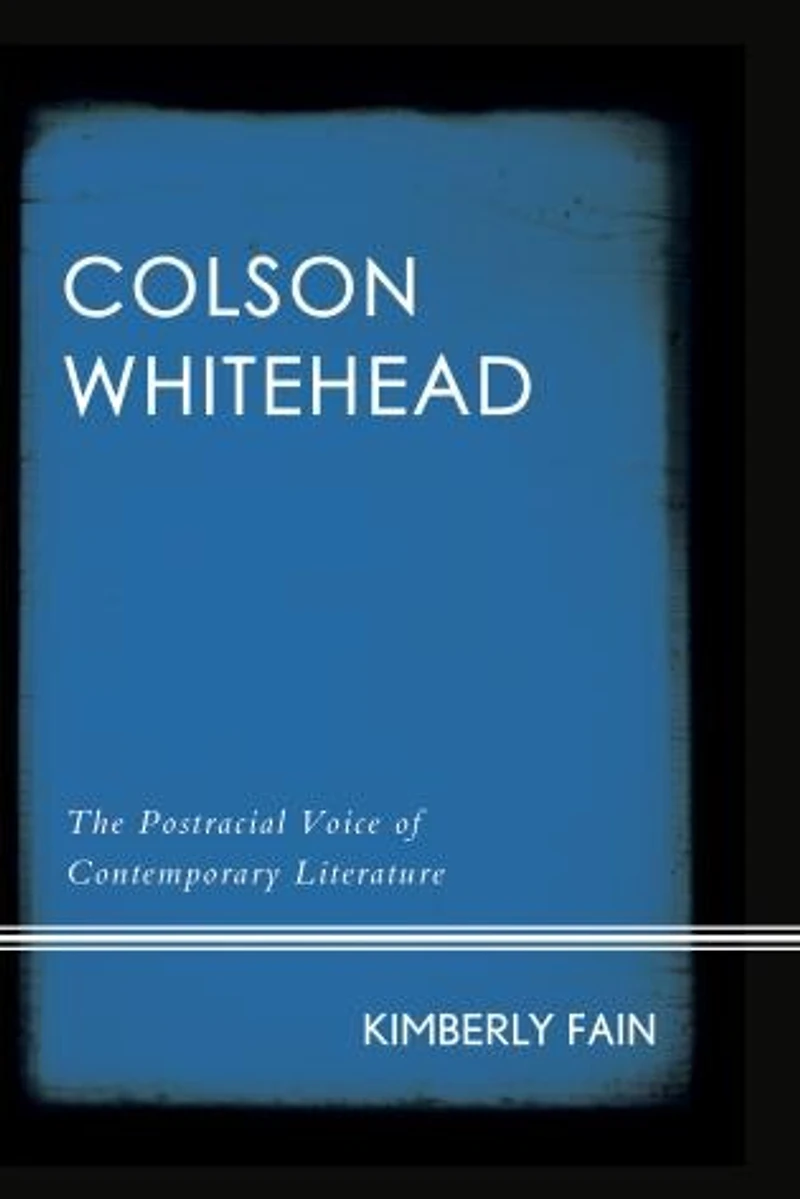

Colson Whitehead: The Postracial Voice Of Contemporary Literature in Ottawa, ON
Current price: $167.95

Colson Whitehead: The Postracial Voice Of Contemporary Literature in Ottawa, ON
Current price: $167.95
Loading Inventory...
Size: Hardcover
*Product information may vary - to confirm product availability, pricing, shipping and return information please contact Coles
From his first novel, The Intuitionist, in 1999, Colson Whitehead has produced fiction that brilliantly blurs genre and cultural lines to demonstrate the universal angst and integral bonds shared by all Americans. By neglecting to mention a character's racial heritage, Whitehead challenges the cultural assumptions of his readers. His African American protagonists are well educated and upwardly mobile and thus lack some of the social angst that is imposed by racial stratification. Despite the critical acclaim and literary awards Whitehead has received, there have been few in-depth examinations of his work. In Colson Whitehead: The Postracial Voice of Contemporary Literature, Kimberly Fain explores the work of this literary trailblazer, discussing how his novels reconstruct the American identity to be inclusive rather than exclusive and thus broaden the scope of who is considered an American. Whitehead attempts this feat by including African Americans among the class of people who may achieve the American Dream, assuming they are educated and economically mobile. While the conflicts faced by his characters are symptoms of the universal human condition, they assimilate at the expense of cultural alienation and emotional emptiness. In addition to The Intuitionist, Fain also examines John Henry Days, Apex Hides the Hurt, The Colossus of New York, Sag Harbor, and Zone One, demonstrating how they bend genre tropes and approach literary motifs from a postracial perspective. Comparing the author to his African American and American literary forebears, as well as examining his literary ambivalence between post-blackness and postracialism, Colson Whitehead offers readers a unique insight to one of the most important authors of the twenty-first century. As such, this book will be of interest to scholars of African American literature, American literature, African American studies, American studies, multicultural studies, gender studies, and literary theory.
From his first novel, The Intuitionist, in 1999, Colson Whitehead has produced fiction that brilliantly blurs genre and cultural lines to demonstrate the universal angst and integral bonds shared by all Americans. By neglecting to mention a character's racial heritage, Whitehead challenges the cultural assumptions of his readers. His African American protagonists are well educated and upwardly mobile and thus lack some of the social angst that is imposed by racial stratification. Despite the critical acclaim and literary awards Whitehead has received, there have been few in-depth examinations of his work. In Colson Whitehead: The Postracial Voice of Contemporary Literature, Kimberly Fain explores the work of this literary trailblazer, discussing how his novels reconstruct the American identity to be inclusive rather than exclusive and thus broaden the scope of who is considered an American. Whitehead attempts this feat by including African Americans among the class of people who may achieve the American Dream, assuming they are educated and economically mobile. While the conflicts faced by his characters are symptoms of the universal human condition, they assimilate at the expense of cultural alienation and emotional emptiness. In addition to The Intuitionist, Fain also examines John Henry Days, Apex Hides the Hurt, The Colossus of New York, Sag Harbor, and Zone One, demonstrating how they bend genre tropes and approach literary motifs from a postracial perspective. Comparing the author to his African American and American literary forebears, as well as examining his literary ambivalence between post-blackness and postracialism, Colson Whitehead offers readers a unique insight to one of the most important authors of the twenty-first century. As such, this book will be of interest to scholars of African American literature, American literature, African American studies, American studies, multicultural studies, gender studies, and literary theory.
You May Also Like













More About Coles at Bayshore Shopping Centre
Coles is renowned for its outstanding customer service and great selection of books. Along with the vast array of magazines, stationary, audio-books, children's literature, fiction, non-fiction and reference books, you can find accessories to make your reading experience more pleasurable. We can recommend the very best in reading today. We will help you search our titles for exactly what you need, and if we do not have it in stock, we will order it for you.
100 Bayshore Dr, Nepean, ON K2B 8C1, Canada
Find Coles at Bayshore Shopping Centre in Ottawa, ON
Visit Coles at Bayshore Shopping Centre in Ottawa, ON