

Give the Gift of Choice!
Too many options? Treat your friends and family to their favourite stores with a Bayshore Shopping Centre gift card, redeemable at participating retailers throughout the centre. Click below to purchase yours today!Purchase HereHome
Commerce in Culture: The Sibao Book Trade in the Qing and Republican Periods
Coles
Loading Inventory...
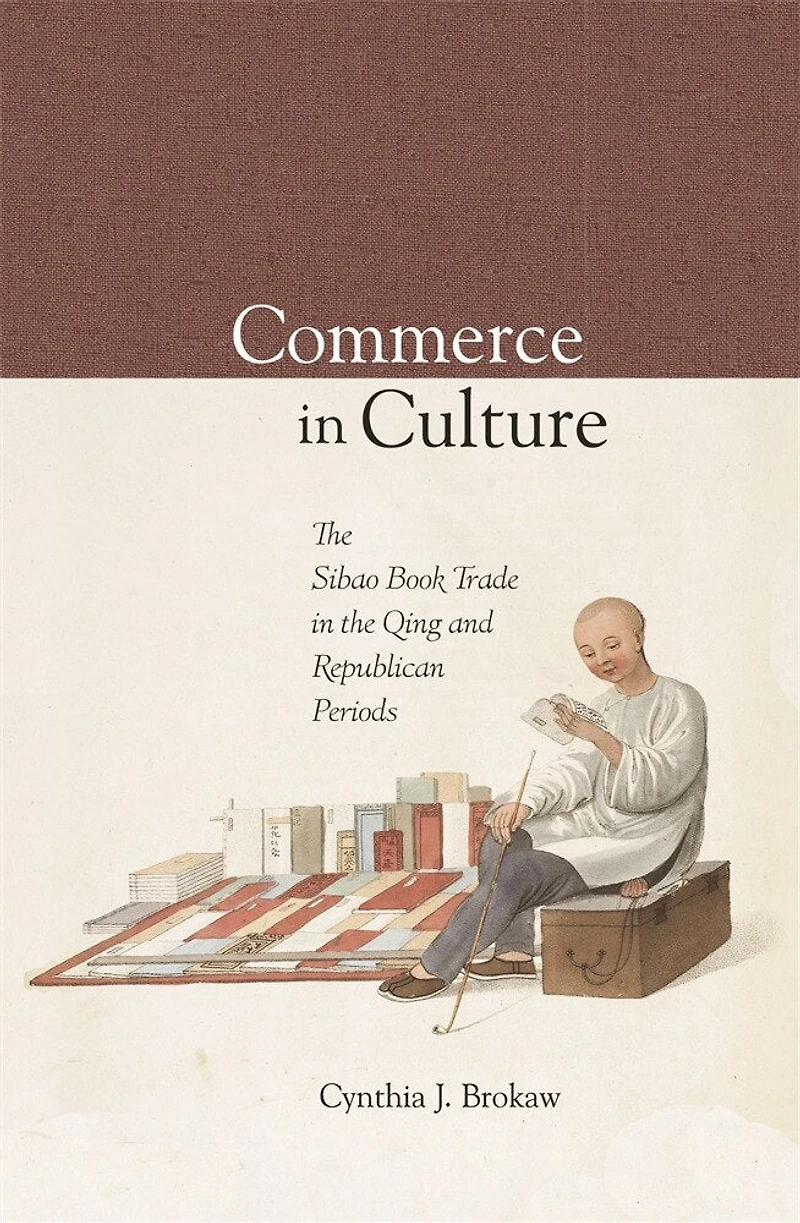
Commerce in Culture: The Sibao Book Trade in the Qing and Republican Periods in Ottawa, ON
Current price: $60.00

Commerce in Culture: The Sibao Book Trade in the Qing and Republican Periods in Ottawa, ON
Current price: $60.00
Loading Inventory...
Size: Hardcover
*Product information may vary - to confirm product availability, pricing, shipping and return information please contact Coles
Sibao today is a cluster of impoverished villages in the mountains of western Fujian. Yet from the late seventeenth through the early twentieth century, it was home to a flourishing publishing industry. Through itinerant booksellers and branch bookshops managed by Sibao natives, this industry supplied much of south China with cheap educational texts, household guides, medical handbooks, and fortune-telling manuals.
It is precisely the ordinariness of Sibao imprints that make them valuable for the study of commercial publishing, the text-production process, and the geographical and social expansion of book culture in Chinese society. In a study with important implications for cultural and economic history, Cynthia Brokaw describes rural, lower-level publishing and bookselling operations at the end of the imperial period. Commerce in Culture traces how the poverty and isolation of Sibao necessitated a bare-bones approach to publishing and bookselling and how the Hakka identity of the Sibao publishers shaped the configuration of their distribution networks and even the nature of their publications.
Sibao's industry reveals two major trends in print culture: the geographical extension of commercial woodblock publishing to hinterlands previously untouched by commercial book culture and the related social penetration of texts to lower-status levels of the population.
Sibao today is a cluster of impoverished villages in the mountains of western Fujian. Yet from the late seventeenth through the early twentieth century, it was home to a flourishing publishing industry. Through itinerant booksellers and branch bookshops managed by Sibao natives, this industry supplied much of south China with cheap educational texts, household guides, medical handbooks, and fortune-telling manuals.
It is precisely the ordinariness of Sibao imprints that make them valuable for the study of commercial publishing, the text-production process, and the geographical and social expansion of book culture in Chinese society. In a study with important implications for cultural and economic history, Cynthia Brokaw describes rural, lower-level publishing and bookselling operations at the end of the imperial period. Commerce in Culture traces how the poverty and isolation of Sibao necessitated a bare-bones approach to publishing and bookselling and how the Hakka identity of the Sibao publishers shaped the configuration of their distribution networks and even the nature of their publications.
Sibao's industry reveals two major trends in print culture: the geographical extension of commercial woodblock publishing to hinterlands previously untouched by commercial book culture and the related social penetration of texts to lower-status levels of the population.
You May Also Like

![Annual Statement of the Trade and Commerce of St. Louis ...: Reported to the Merchants' Exchange ... by ... [The] Secretary](https://cdn.mall.adeptmind.ai/https%253A%252F%252Fcdn.shopify.com%252Fs%252Ffiles%252F1%252F0655%252F8980%252F5233%252Ffiles%252F1_1d96cda6-f940-43b7-99dd-bc5311b7c5ed.jpg_medium.webp)







More About Coles at Bayshore Shopping Centre
Coles is renowned for its outstanding customer service and great selection of books. Along with the vast array of magazines, stationary, audio-books, children's literature, fiction, non-fiction and reference books, you can find accessories to make your reading experience more pleasurable. We can recommend the very best in reading today. We will help you search our titles for exactly what you need, and if we do not have it in stock, we will order it for you.
100 Bayshore Dr, Nepean, ON K2B 8C1, Canada
Find Coles at Bayshore Shopping Centre in Ottawa, ON
Visit Coles at Bayshore Shopping Centre in Ottawa, ON