

Give the Gift of Choice!
Too many options? Treat your friends and family to their favourite stores with a Bayshore Shopping Centre gift card, redeemable at participating retailers throughout the centre. Click below to purchase yours today!Purchase HereHome
Committed: Remembering Native Kinship And Beyond Institutions
Coles
Loading Inventory...
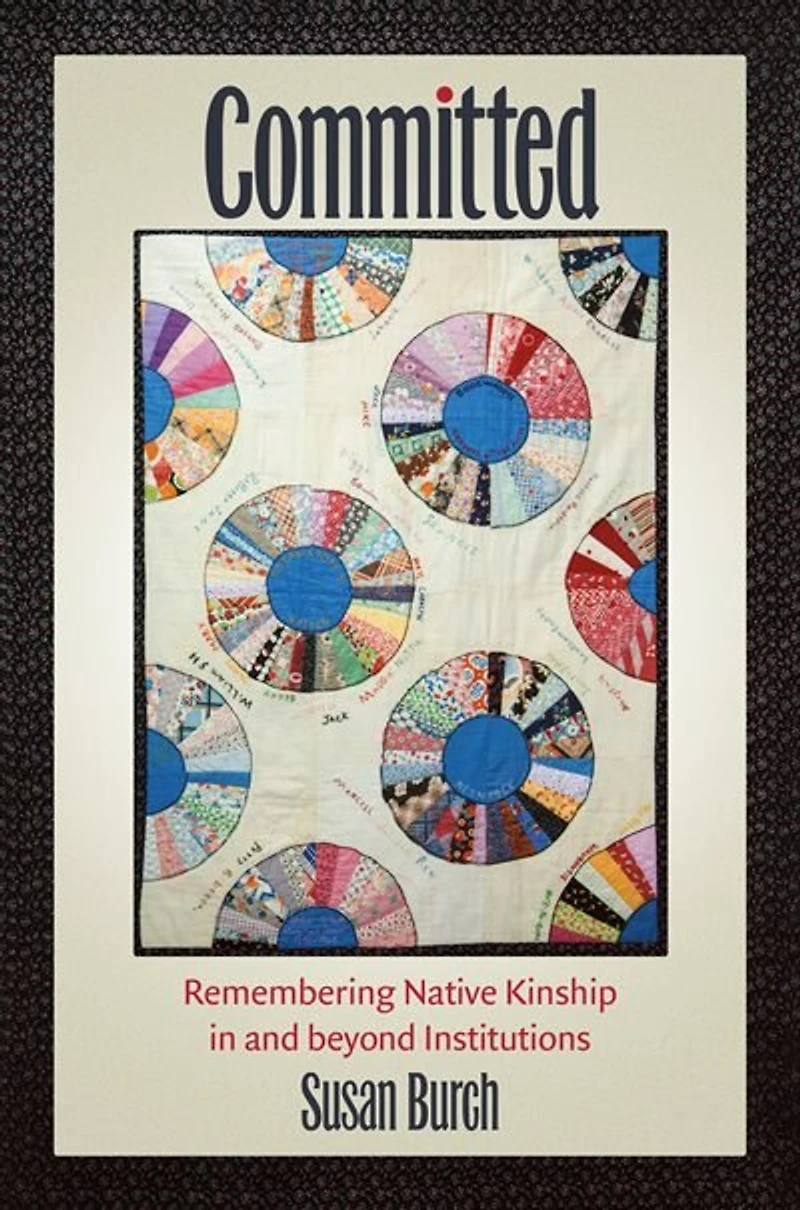
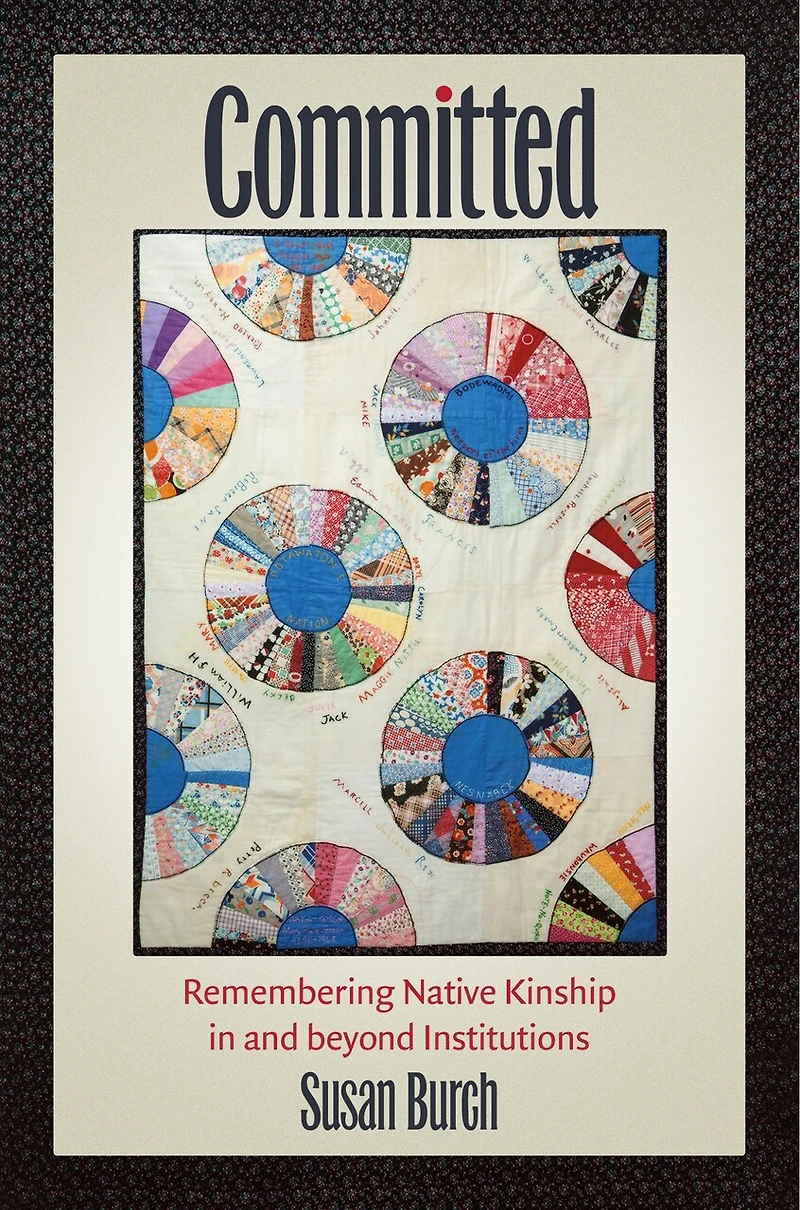
Committed: Remembering Native Kinship And Beyond Institutions in Ottawa, ON
Current price: $128.95

Committed: Remembering Native Kinship And Beyond Institutions in Ottawa, ON
Current price: $128.95
Loading Inventory...
Size: Hardcover
*Product information may vary - to confirm product availability, pricing, shipping and return information please contact Coles
Between 1902 and 1934, the United States confined hundreds of adults and children from dozens of Native nations at the Canton Asylum for Insane Indians, a federal psychiatric hospital in South Dakota. But detention at the Indian Asylum, as families experienced it, was not the beginning or end of the story. For them, Canton Asylum was one of many places of imposed removal and confinement, including reservations, boarding schools, orphanages, and prison-hospitals. Despite the long reach of institutionalization for those forcibly held at the Asylum, the tenacity of relationships extended within and beyond institutional walls.
In this accessible and innovative work, Susan Burch tells the story of the Indigenous people—families, communities, and nations, across generations to the present day—who have experienced the impact of this history. Drawing on oral history interviews, correspondence, material objects, and archival sources, Burch reframes the histories of institutionalized people and the places that held them. Committed expands the boundaries of Native American history, disability studies, and U.S. social and cultural history generally.
Between 1902 and 1934, the United States confined hundreds of adults and children from dozens of Native nations at the Canton Asylum for Insane Indians, a federal psychiatric hospital in South Dakota. But detention at the Indian Asylum, as families experienced it, was not the beginning or end of the story. For them, Canton Asylum was one of many places of imposed removal and confinement, including reservations, boarding schools, orphanages, and prison-hospitals. Despite the long reach of institutionalization for those forcibly held at the Asylum, the tenacity of relationships extended within and beyond institutional walls.
In this accessible and innovative work, Susan Burch tells the story of the Indigenous people—families, communities, and nations, across generations to the present day—who have experienced the impact of this history. Drawing on oral history interviews, correspondence, material objects, and archival sources, Burch reframes the histories of institutionalized people and the places that held them. Committed expands the boundaries of Native American history, disability studies, and U.S. social and cultural history generally.
You May Also Like












More About Coles at Bayshore Shopping Centre
Coles is renowned for its outstanding customer service and great selection of books. Along with the vast array of magazines, stationary, audio-books, children's literature, fiction, non-fiction and reference books, you can find accessories to make your reading experience more pleasurable. We can recommend the very best in reading today. We will help you search our titles for exactly what you need, and if we do not have it in stock, we will order it for you.
100 Bayshore Dr, Nepean, ON K2B 8C1, Canada
Find Coles at Bayshore Shopping Centre in Ottawa, ON
Visit Coles at Bayshore Shopping Centre in Ottawa, ON