

Give the Gift of Choice!
Too many options? Treat your friends and family to their favourite stores with a Bayshore Shopping Centre gift card, redeemable at participating retailers throughout the centre. Click below to purchase yours today!Purchase HereHome
Comparing Autocrats: Analyzing Different Latin American Dictators in the 1950s and 1960s
Coles
Loading Inventory...
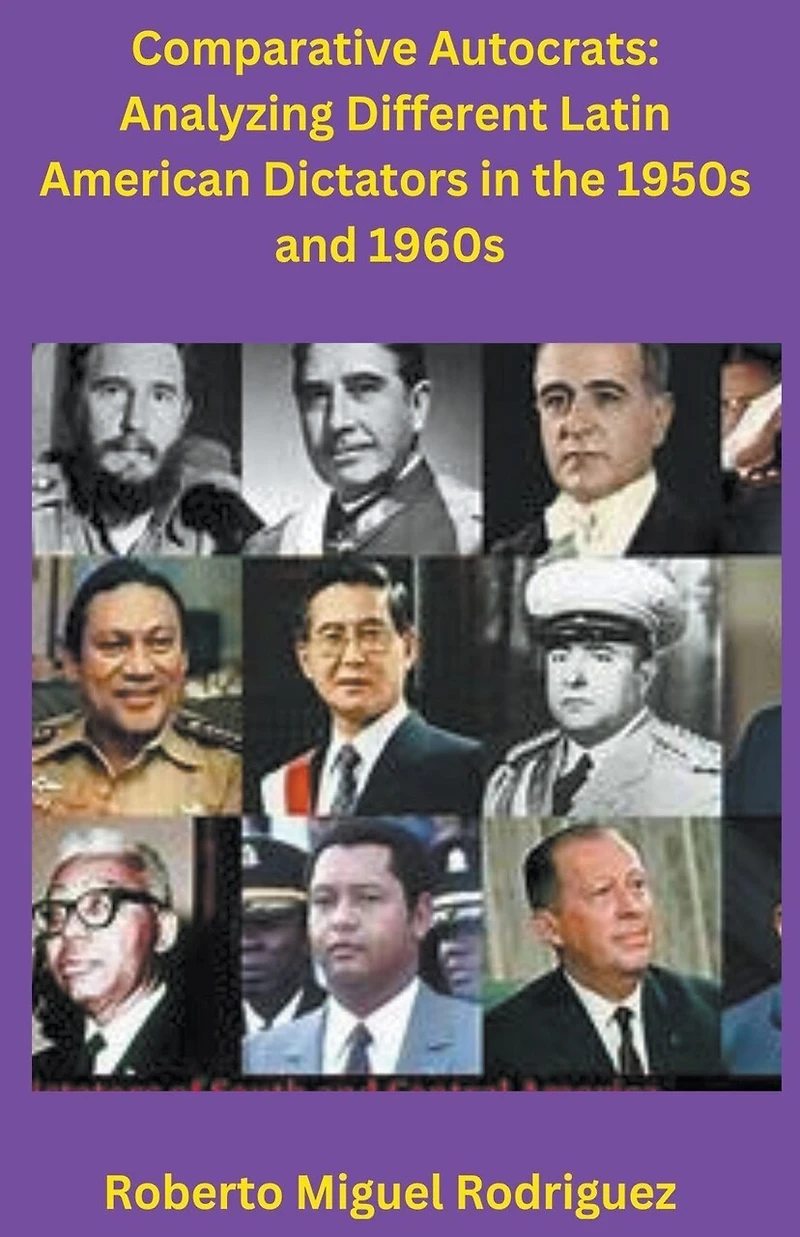
Comparing Autocrats: Analyzing Different Latin American Dictators in the 1950s and 1960s in Ottawa, ON
Current price: $21.99

Comparing Autocrats: Analyzing Different Latin American Dictators in the 1950s and 1960s in Ottawa, ON
Current price: $21.99
Loading Inventory...
Size: Paperback
*Product information may vary - to confirm product availability, pricing, shipping and return information please contact Coles
"Comparing Autocrats" delves deep into the tumultuous era of the 1950s and 1960s in Latin America, a period marked by political upheavals, revolutions, and the rise of several prominent dictators. The book offers a comparative study, examining the regimes of these autocrats, their ideologies, governance methods, and the lasting impact they had on their respective nations and the continent as a whole. Key facets of the book include: Historical Backdrop: Setting the stage by exploring the socio-political climate of Latin America post-World War II, understanding the power vacuums, economic disparities, and Cold War dynamics. Profiles of Power: Detailed biographies of notable dictators from various Latin American countries, exploring their rise to power, reign, and eventual downfall. Tools of Tyranny: Investigating the common tactics employed by these autocrats, from censorship and propaganda to covert police forces and torture chambers. Economic Policies and Impacts: Analyzing the various economic strategies employed by these regimes, their successes, failures, and long-term repercussions. Foreign Relations: Examining the international relationships each dictator cultivated, especially in the context of the Cold War, and their alliances or confrontations with the U.S. and Soviet Union. Cultural and Social Consequences: A look into the societal impact of these dictatorships, including effects on arts, literature, education, and general civil liberties. The End of an Era: Chronicles of how most of these dictatorship concluded, whether through popular uprisings, external interventions, or natural endings, and the subsequent shifts towards democracy. Although dictator Fidel Castro died, the Cuban communist dictatorship still remains in power. Reflections and Legacy: Consideration of the long-term effects of these dictatorships on modern Latin American society, politics, and global perceptions. "Comparative Autocrats" is an essential read for anyone seeking to understand the intricate dynamics of mid-20th century Latin American politics. Through a blend of historical narrative and expert analysis, the book paints a comprehensive portrait of a time when strongmen ruled, nations trembled, and the course of a continent was forever altered.
"Comparing Autocrats" delves deep into the tumultuous era of the 1950s and 1960s in Latin America, a period marked by political upheavals, revolutions, and the rise of several prominent dictators. The book offers a comparative study, examining the regimes of these autocrats, their ideologies, governance methods, and the lasting impact they had on their respective nations and the continent as a whole. Key facets of the book include: Historical Backdrop: Setting the stage by exploring the socio-political climate of Latin America post-World War II, understanding the power vacuums, economic disparities, and Cold War dynamics. Profiles of Power: Detailed biographies of notable dictators from various Latin American countries, exploring their rise to power, reign, and eventual downfall. Tools of Tyranny: Investigating the common tactics employed by these autocrats, from censorship and propaganda to covert police forces and torture chambers. Economic Policies and Impacts: Analyzing the various economic strategies employed by these regimes, their successes, failures, and long-term repercussions. Foreign Relations: Examining the international relationships each dictator cultivated, especially in the context of the Cold War, and their alliances or confrontations with the U.S. and Soviet Union. Cultural and Social Consequences: A look into the societal impact of these dictatorships, including effects on arts, literature, education, and general civil liberties. The End of an Era: Chronicles of how most of these dictatorship concluded, whether through popular uprisings, external interventions, or natural endings, and the subsequent shifts towards democracy. Although dictator Fidel Castro died, the Cuban communist dictatorship still remains in power. Reflections and Legacy: Consideration of the long-term effects of these dictatorships on modern Latin American society, politics, and global perceptions. "Comparative Autocrats" is an essential read for anyone seeking to understand the intricate dynamics of mid-20th century Latin American politics. Through a blend of historical narrative and expert analysis, the book paints a comprehensive portrait of a time when strongmen ruled, nations trembled, and the course of a continent was forever altered.
You May Also Like








More About Coles at Bayshore Shopping Centre
Coles is renowned for its outstanding customer service and great selection of books. Along with the vast array of magazines, stationary, audio-books, children's literature, fiction, non-fiction and reference books, you can find accessories to make your reading experience more pleasurable. We can recommend the very best in reading today. We will help you search our titles for exactly what you need, and if we do not have it in stock, we will order it for you.
100 Bayshore Dr, Nepean, ON K2B 8C1, Canada
Find Coles at Bayshore Shopping Centre in Ottawa, ON
Visit Coles at Bayshore Shopping Centre in Ottawa, ON