

Give the Gift of Choice!
Too many options? Treat your friends and family to their favourite stores with a Bayshore Shopping Centre gift card, redeemable at participating retailers throughout the centre. Click below to purchase yours today!Purchase HereHome
Comparing Islamic and Conventional Leadership
Coles
Loading Inventory...
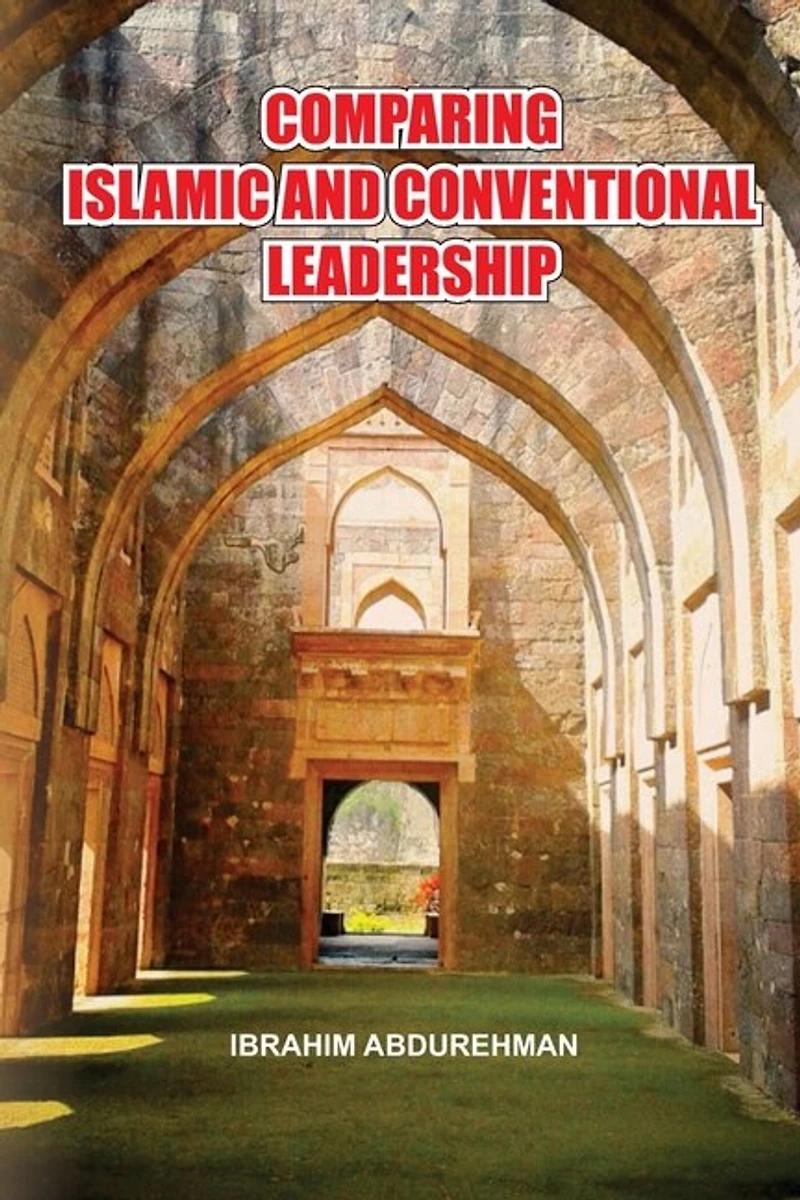
Comparing Islamic and Conventional Leadership in Ottawa, ON
Current price: $56.99

Comparing Islamic and Conventional Leadership in Ottawa, ON
Current price: $56.99
Loading Inventory...
Size: Paperback
*Product information may vary - to confirm product availability, pricing, shipping and return information please contact Coles
Both Islamic and conventional leadership are very widely studied phenomena. It plays a major role in an organization regarding its productivity, absenteeism, and turnover. Islamic leader can contribute to any organization by the power of influencing the people as he has morality and honesty. Barnard (1968, p. 63) said that leadership refers to the quality of the behavior and conduct of individuals whereby they guide and drive people and their activities in an organized way. Leadership refers to a procedure whereby every private inspiration the group of persons to achieve a desired and long-cherished goal (H. H. Friedman & Langbert, 2000; T. L. Friedman, 2000). Altalib (2001)) state that Islamic leadership is a continuous process of elating and instructing unpaid groups and votaries to achieve a clear as well as shared vision. Leadership is an organizing and arranging moral principle of considerable social impact. One of the suggested approaches to leadership views it as the ability and organizing power of a person to guide and drive the labors of numerous people in attaining goals.Bolman and Terrence (1995) observe that the key differences between the Islamic and the Western leadership are included in the arena of virtuous, moral, as well as the human resource. Spiritual and principled spirit (fear of Allah) subordinated the government management under the Prophet Mohammad (SAW) as well as of our four Caliphs.
Both Islamic and conventional leadership are very widely studied phenomena. It plays a major role in an organization regarding its productivity, absenteeism, and turnover. Islamic leader can contribute to any organization by the power of influencing the people as he has morality and honesty. Barnard (1968, p. 63) said that leadership refers to the quality of the behavior and conduct of individuals whereby they guide and drive people and their activities in an organized way. Leadership refers to a procedure whereby every private inspiration the group of persons to achieve a desired and long-cherished goal (H. H. Friedman & Langbert, 2000; T. L. Friedman, 2000). Altalib (2001)) state that Islamic leadership is a continuous process of elating and instructing unpaid groups and votaries to achieve a clear as well as shared vision. Leadership is an organizing and arranging moral principle of considerable social impact. One of the suggested approaches to leadership views it as the ability and organizing power of a person to guide and drive the labors of numerous people in attaining goals.Bolman and Terrence (1995) observe that the key differences between the Islamic and the Western leadership are included in the arena of virtuous, moral, as well as the human resource. Spiritual and principled spirit (fear of Allah) subordinated the government management under the Prophet Mohammad (SAW) as well as of our four Caliphs.
You May Also Like















More About Coles at Bayshore Shopping Centre
Coles is renowned for its outstanding customer service and great selection of books. Along with the vast array of magazines, stationary, audio-books, children's literature, fiction, non-fiction and reference books, you can find accessories to make your reading experience more pleasurable. We can recommend the very best in reading today. We will help you search our titles for exactly what you need, and if we do not have it in stock, we will order it for you.
100 Bayshore Dr, Nepean, ON K2B 8C1, Canada
Find Coles at Bayshore Shopping Centre in Ottawa, ON
Visit Coles at Bayshore Shopping Centre in Ottawa, ON