

Give the Gift of Choice!
Too many options? Treat your friends and family to their favourite stores with a Bayshore Shopping Centre gift card, redeemable at participating retailers throughout the centre. Click below to purchase yours today!Purchase HereHome
Computational Formalism: Art History and Machine Learning
Coles
Loading Inventory...
Computational Formalism: Art History and Machine Learning in Ottawa, ON
Current price: $51.99
Original price: $64.99

Computational Formalism: Art History and Machine Learning in Ottawa, ON
Current price: $51.99
Original price: $64.99
Loading Inventory...
Size: Kobo eBook
*Product information may vary - to confirm product availability, pricing, shipping and return information please contact Coles
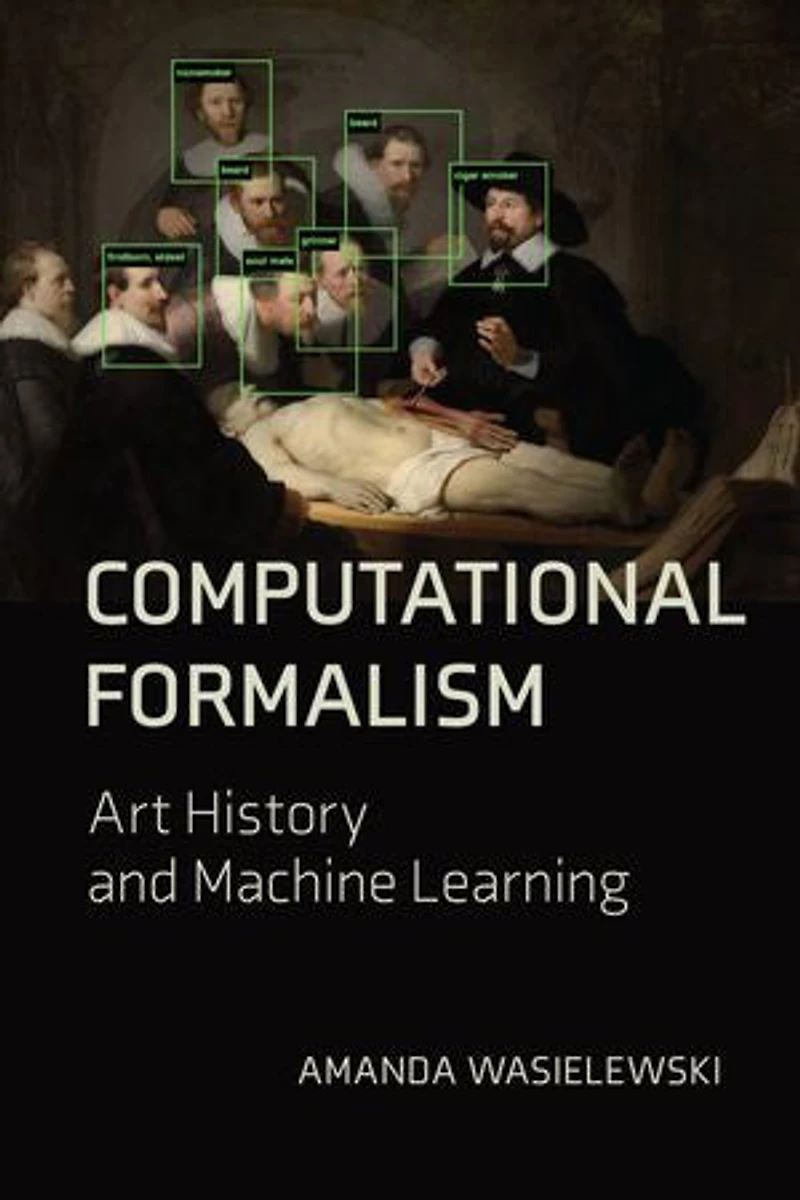
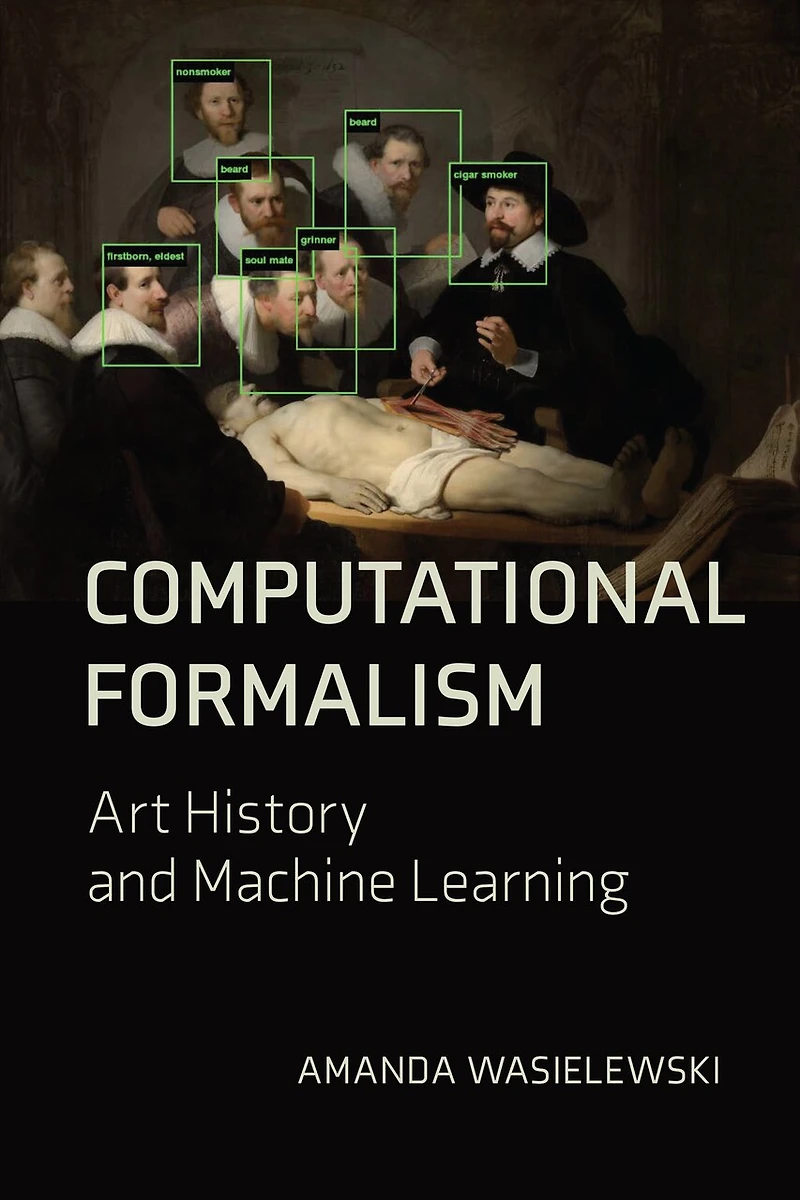
How the use of machine learning to analyze art images has revived formalism in art history, presenting a golden opportunity for art historians and computer scientists to learn from one another.
Though formalism is an essential tool for art historians, much recent art history has focused on the social and political aspects of art. But now art historians are adopting machine learning methods to develop new ways to analyze the purely visual in datasets of art images. Amanda Wasielewski uses the term “computational formalism” to describe this use of machine learning and computer vision technique in art historical research. At the same time that art historians are analyzing art images in new ways, computer scientists are using art images for experiments in machine learning and computer vision. Their research, says Wasielewski, would be greatly enriched by the inclusion of humanistic issues.
The main purpose in applying computational techniques such as machine learning to art datasets is to automate the process of categorization using metrics such as style, a historically fraught concept in art history. After examining a fifteen-year trajectory in image categorization and art dataset creation in the fields of machine learning and computer vision, Wasielewski considers deep learning techniques that both create and detect forgeries and fakes in art. She investigates examples of art historical analysis in the fields of computer and information sciences, placing this research in the context of art historiography. She also raises questions as which artworks are chosen for digitization, and of those artworks that are born digital, which works gain acceptance into the canon of high art.
How the use of machine learning to analyze art images has revived formalism in art history, presenting a golden opportunity for art historians and computer scientists to learn from one another.
Though formalism is an essential tool for art historians, much recent art history has focused on the social and political aspects of art. But now art historians are adopting machine learning methods to develop new ways to analyze the purely visual in datasets of art images. Amanda Wasielewski uses the term “computational formalism” to describe this use of machine learning and computer vision technique in art historical research. At the same time that art historians are analyzing art images in new ways, computer scientists are using art images for experiments in machine learning and computer vision. Their research, says Wasielewski, would be greatly enriched by the inclusion of humanistic issues.
The main purpose in applying computational techniques such as machine learning to art datasets is to automate the process of categorization using metrics such as style, a historically fraught concept in art history. After examining a fifteen-year trajectory in image categorization and art dataset creation in the fields of machine learning and computer vision, Wasielewski considers deep learning techniques that both create and detect forgeries and fakes in art. She investigates examples of art historical analysis in the fields of computer and information sciences, placing this research in the context of art historiography. She also raises questions as which artworks are chosen for digitization, and of those artworks that are born digital, which works gain acceptance into the canon of high art.
You May Also Like














More About Coles at Bayshore Shopping Centre
Coles is renowned for its outstanding customer service and great selection of books. Along with the vast array of magazines, stationary, audio-books, children's literature, fiction, non-fiction and reference books, you can find accessories to make your reading experience more pleasurable. We can recommend the very best in reading today. We will help you search our titles for exactly what you need, and if we do not have it in stock, we will order it for you.
100 Bayshore Dr, Nepean, ON K2B 8C1, Canada
Find Coles at Bayshore Shopping Centre in Ottawa, ON
Visit Coles at Bayshore Shopping Centre in Ottawa, ON