

Give the Gift of Choice!
Too many options? Treat your friends and family to their favourite stores with a Bayshore Shopping Centre gift card, redeemable at participating retailers throughout the centre. Click below to purchase yours today!Purchase HereHome
Computational Imaging for Scene Understanding: Transient, Spectral, and Polarimetric Analysis
Coles
Loading Inventory...
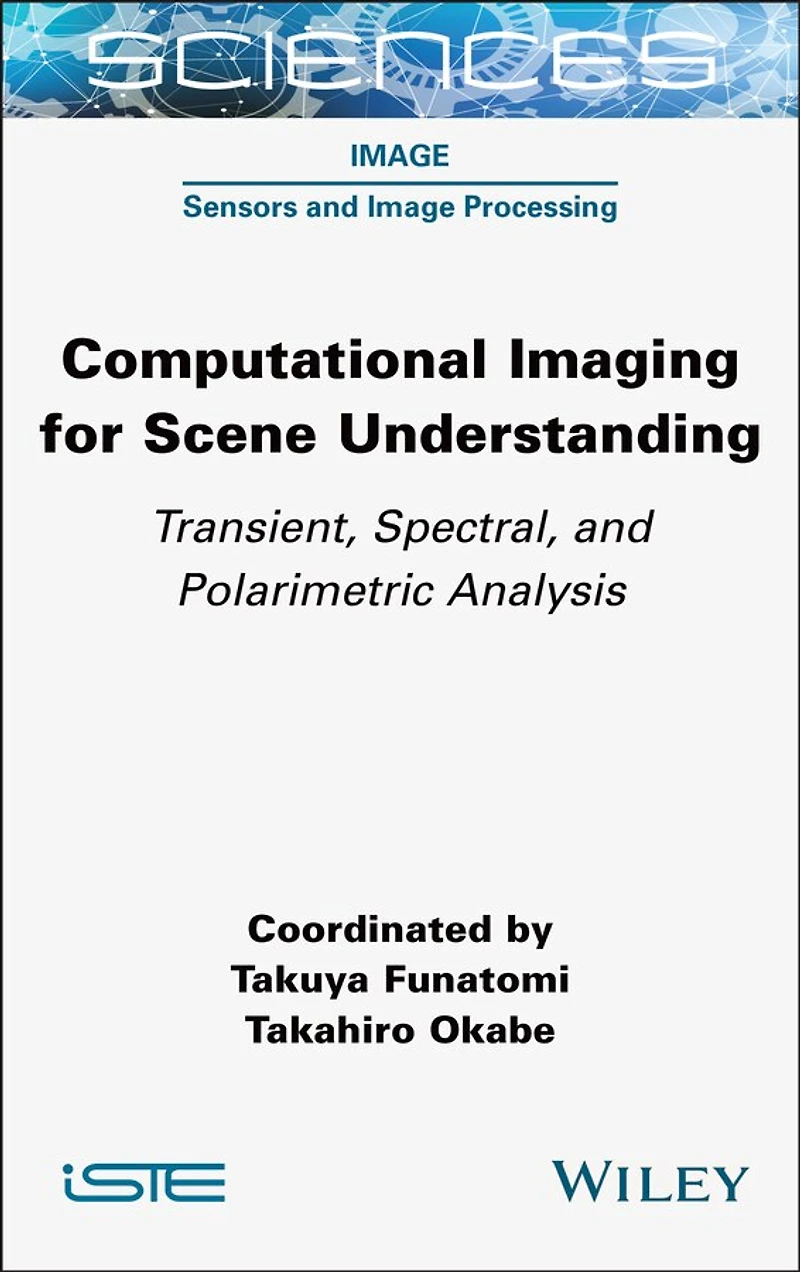
Computational Imaging for Scene Understanding: Transient, Spectral, and Polarimetric Analysis in Ottawa, ON
Current price: $235.00

Computational Imaging for Scene Understanding: Transient, Spectral, and Polarimetric Analysis in Ottawa, ON
Current price: $235.00
Loading Inventory...
Size: Hardcover
*Product information may vary - to confirm product availability, pricing, shipping and return information please contact Coles
Most cameras are inherently designed to mimic what is seen by the human eye: they have three channels of RGB and can achieve up to around 30 frames per second (FPS). However, some cameras are designed to capture other modalities: some may have the ability to capture spectra from near UV to near IR rather than RGB, polarimetry, different times of light travel, etc. Such modalities are as yet unknown, but they can also collect robust data of the scene they are capturing. This book will focus on the emerging computer vision techniques known as computational imaging. These include capturing, processing and analyzing such modalities for various applications of scene understanding.
Most cameras are inherently designed to mimic what is seen by the human eye: they have three channels of RGB and can achieve up to around 30 frames per second (FPS). However, some cameras are designed to capture other modalities: some may have the ability to capture spectra from near UV to near IR rather than RGB, polarimetry, different times of light travel, etc. Such modalities are as yet unknown, but they can also collect robust data of the scene they are capturing. This book will focus on the emerging computer vision techniques known as computational imaging. These include capturing, processing and analyzing such modalities for various applications of scene understanding.
You May Also Like










More About Coles at Bayshore Shopping Centre
Coles is renowned for its outstanding customer service and great selection of books. Along with the vast array of magazines, stationary, audio-books, children's literature, fiction, non-fiction and reference books, you can find accessories to make your reading experience more pleasurable. We can recommend the very best in reading today. We will help you search our titles for exactly what you need, and if we do not have it in stock, we will order it for you.
100 Bayshore Dr, Nepean, ON K2B 8C1, Canada
Find Coles at Bayshore Shopping Centre in Ottawa, ON
Visit Coles at Bayshore Shopping Centre in Ottawa, ON