

Give the Gift of Choice!
Too many options? Treat your friends and family to their favourite stores with a Bayshore Shopping Centre gift card, redeemable at participating retailers throughout the centre. Click below to purchase yours today!Purchase HereHome
Computational Techniques for Biological Sequence Analysis
Coles
Loading Inventory...
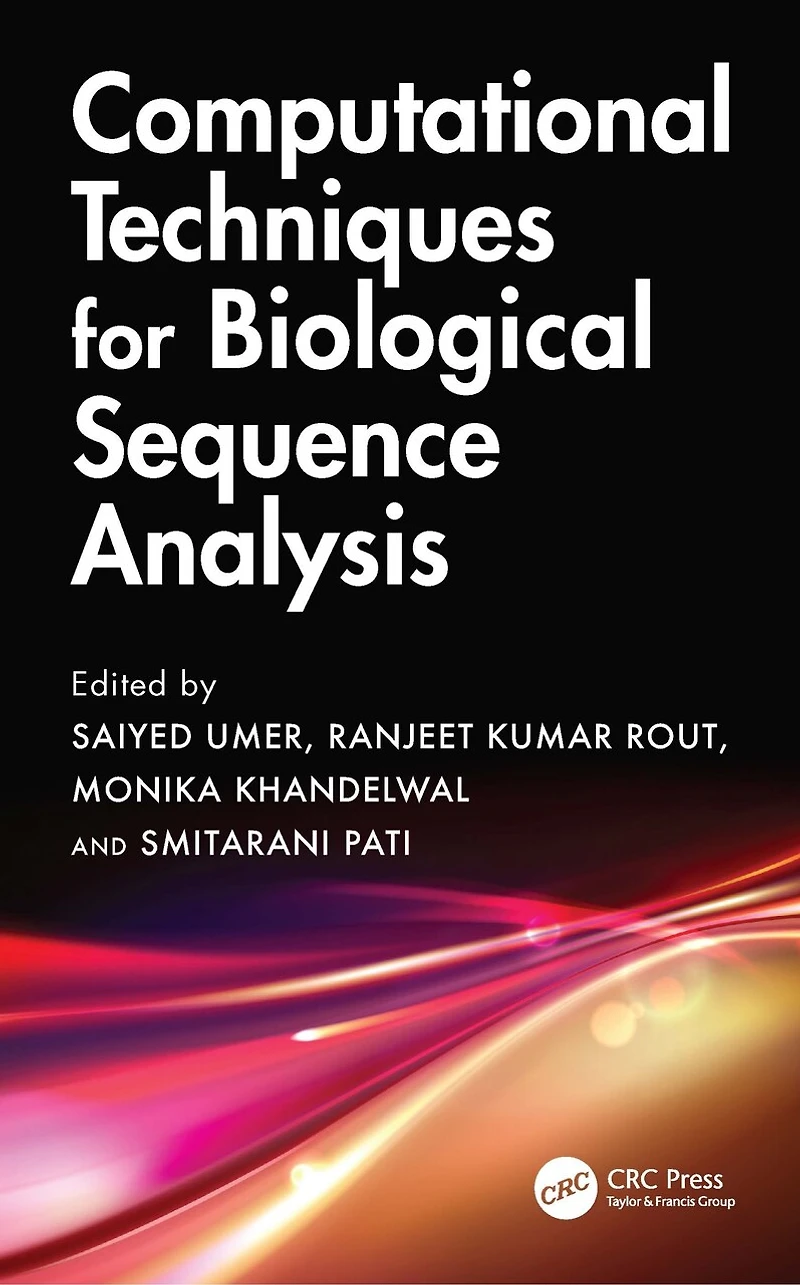
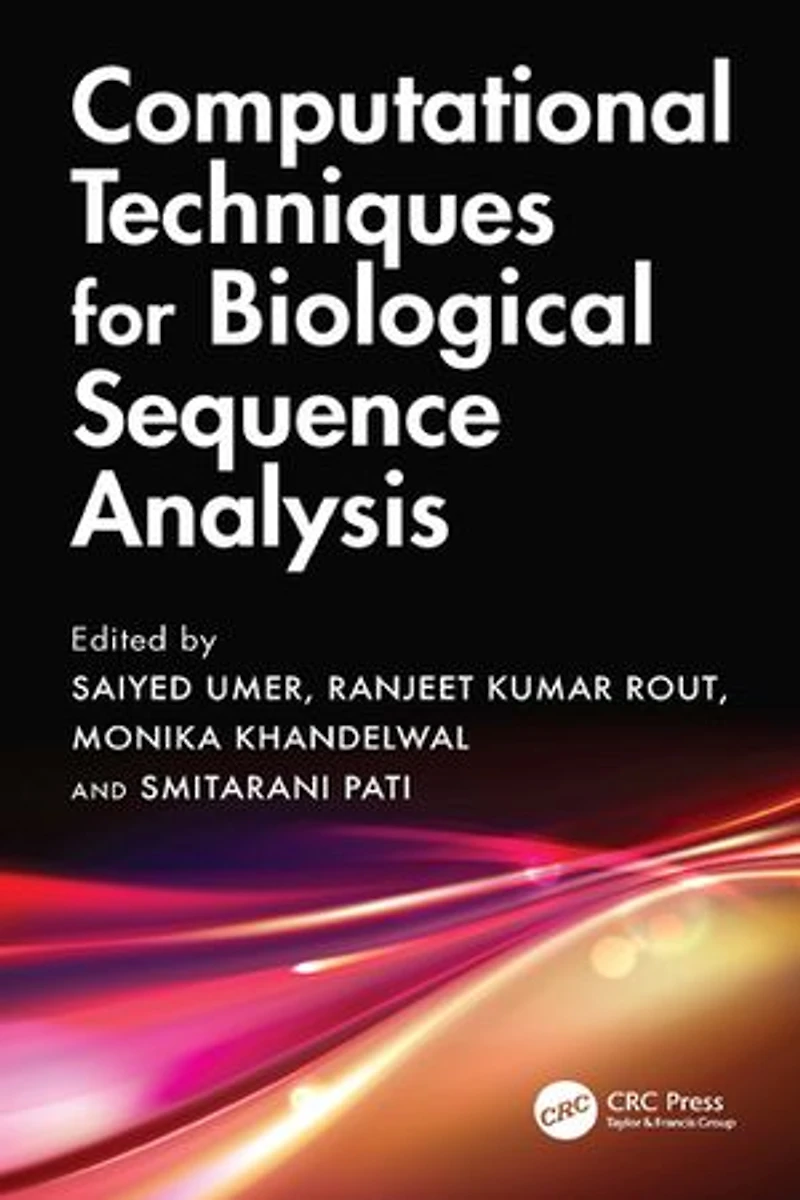
Computational Techniques for Biological Sequence Analysis in Ottawa, ON
Current price: $222.50

Computational Techniques for Biological Sequence Analysis in Ottawa, ON
Current price: $222.50
Loading Inventory...
Size: Hardcover
*Product information may vary - to confirm product availability, pricing, shipping and return information please contact Coles
This book provides an overview of basic and advanced computational techniques for analyzing and understanding protein, RNA, and DNA sequences. It covers effective computing techniques for DNA and protein classifications, evolutionary and sequence information analysis, evolutionary algorithms, and ensemble algorithms. Furthermore, the book reviews the role of machine learning techniques, artificial intelligence, ensemble learning, and sequence-based features in predicting post-translational modifications in proteins, DNA methylation, and mRNA methylation, along with their functional implications. The book also discusses the prediction of protein-protein and protein-DNA interactions, protein structure, and function using computational methods. It also presents techniques for quantitative analysis of protein-DNA interactions and protein methylation and their involvement in gene regulation. Additionally, the use of nature-inspired algorithms to gain insights into gene regulatory mechanisms and metabolic pathways in human diseases is explored. This book acts as a useful reference for bioinformaticians and computational biologists working in the fields of molecular biology, genomics, and bioinformatics. Key Features:
Reviews machine learning techniques for DNA sequence classification and protein structure prediction
Discusses genetic algorithms for analyzing multiple sequence alignments and predicting protein-protein interaction sites
Explores computational methods for quantitative analysis of protein-DNA interactions
Examine the role of nature-inspired algorithms in understanding the gene regulation and metabolic pathways
Covers evolutionary algorithms and sequence-based features in predicting post-translational modifications
This book provides an overview of basic and advanced computational techniques for analyzing and understanding protein, RNA, and DNA sequences. It covers effective computing techniques for DNA and protein classifications, evolutionary and sequence information analysis, evolutionary algorithms, and ensemble algorithms. Furthermore, the book reviews the role of machine learning techniques, artificial intelligence, ensemble learning, and sequence-based features in predicting post-translational modifications in proteins, DNA methylation, and mRNA methylation, along with their functional implications. The book also discusses the prediction of protein-protein and protein-DNA interactions, protein structure, and function using computational methods. It also presents techniques for quantitative analysis of protein-DNA interactions and protein methylation and their involvement in gene regulation. Additionally, the use of nature-inspired algorithms to gain insights into gene regulatory mechanisms and metabolic pathways in human diseases is explored. This book acts as a useful reference for bioinformaticians and computational biologists working in the fields of molecular biology, genomics, and bioinformatics. Key Features:
Reviews machine learning techniques for DNA sequence classification and protein structure prediction
Discusses genetic algorithms for analyzing multiple sequence alignments and predicting protein-protein interaction sites
Explores computational methods for quantitative analysis of protein-DNA interactions
Examine the role of nature-inspired algorithms in understanding the gene regulation and metabolic pathways
Covers evolutionary algorithms and sequence-based features in predicting post-translational modifications
You May Also Like











More About Coles at Bayshore Shopping Centre
Coles is renowned for its outstanding customer service and great selection of books. Along with the vast array of magazines, stationary, audio-books, children's literature, fiction, non-fiction and reference books, you can find accessories to make your reading experience more pleasurable. We can recommend the very best in reading today. We will help you search our titles for exactly what you need, and if we do not have it in stock, we will order it for you.
100 Bayshore Dr, Nepean, ON K2B 8C1, Canada
Find Coles at Bayshore Shopping Centre in Ottawa, ON
Visit Coles at Bayshore Shopping Centre in Ottawa, ON