

Give the Gift of Choice!
Too many options? Treat your friends and family to their favourite stores with a Bayshore Shopping Centre gift card, redeemable at participating retailers throughout the centre. Click below to purchase yours today!Purchase HereHome
Concepts of Humans and Nature in Historical Perspective: Universals and Variations, Continuities and Transformations
Coles
Loading Inventory...
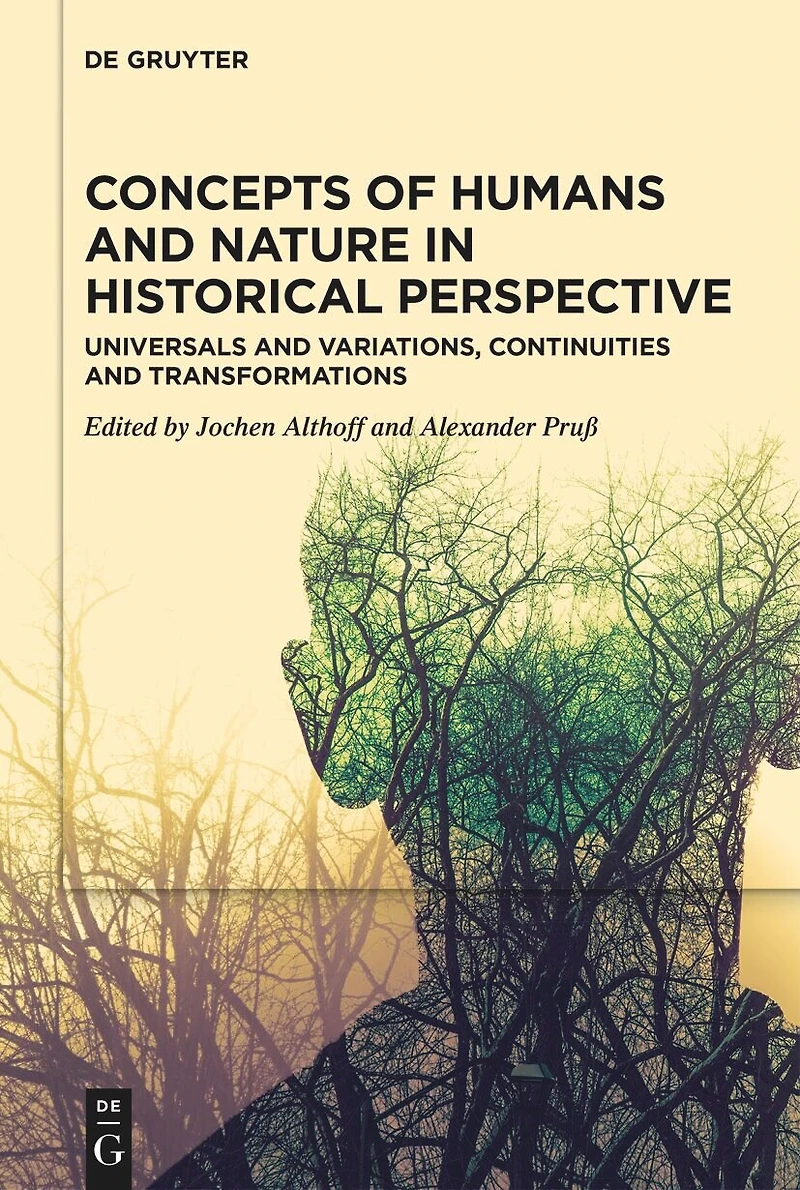
Concepts of Humans and Nature in Historical Perspective: Universals and Variations, Continuities and Transformations in Ottawa, ON
Current price: $166.99

Concepts of Humans and Nature in Historical Perspective: Universals and Variations, Continuities and Transformations in Ottawa, ON
Current price: $166.99
Loading Inventory...
Size: Hardcover
*Product information may vary - to confirm product availability, pricing, shipping and return information please contact Coles
The "Graduiertenkolleg 1876" in Mainz examined how concepts of humans and nature developed in the Middle East, North Africa and Europe from 100,000 BC to the Middle Ages. The aim of the conference papers collected in this volume is to study such fundamental components of concepts of humans and the natural environment that can be regarded as relatively universal across cultures. The eight interdisciplinary contributions start with an article by the ethnologist Christoph Antweiler on the universality of world concepts in modern cultures. One chapter explores possible concept formations in the early phases of human development. This is followed by three philological-archaeological contributions on concepts of the sea in the Near East as well as medical concepts and concepts of the human semen in the Near East and Egypt. Two papers deal with concepts of the body in Greek antiquity, as they can be derived from pictorial representations on Phlyax-vases, and with the category "animal". An article on the role of zoology in medieval German literature is closely connected. In an epilogue, the insights gained are summarized and an attempt is made to evaluate them with a view to the universality of the concepts dealt with.
The "Graduiertenkolleg 1876" in Mainz examined how concepts of humans and nature developed in the Middle East, North Africa and Europe from 100,000 BC to the Middle Ages. The aim of the conference papers collected in this volume is to study such fundamental components of concepts of humans and the natural environment that can be regarded as relatively universal across cultures. The eight interdisciplinary contributions start with an article by the ethnologist Christoph Antweiler on the universality of world concepts in modern cultures. One chapter explores possible concept formations in the early phases of human development. This is followed by three philological-archaeological contributions on concepts of the sea in the Near East as well as medical concepts and concepts of the human semen in the Near East and Egypt. Two papers deal with concepts of the body in Greek antiquity, as they can be derived from pictorial representations on Phlyax-vases, and with the category "animal". An article on the role of zoology in medieval German literature is closely connected. In an epilogue, the insights gained are summarized and an attempt is made to evaluate them with a view to the universality of the concepts dealt with.
You May Also Like








More About Coles at Bayshore Shopping Centre
Coles is renowned for its outstanding customer service and great selection of books. Along with the vast array of magazines, stationary, audio-books, children's literature, fiction, non-fiction and reference books, you can find accessories to make your reading experience more pleasurable. We can recommend the very best in reading today. We will help you search our titles for exactly what you need, and if we do not have it in stock, we will order it for you.
100 Bayshore Dr, Nepean, ON K2B 8C1, Canada
Find Coles at Bayshore Shopping Centre in Ottawa, ON
Visit Coles at Bayshore Shopping Centre in Ottawa, ON