

Give the Gift of Choice!
Too many options? Treat your friends and family to their favourite stores with a Bayshore Shopping Centre gift card, redeemable at participating retailers throughout the centre. Click below to purchase yours today!Purchase HereHome
Conflict and Commerce Maritime East Asia: the Zheng Family Shaping of Modern World, c.1620–1720
Coles
Loading Inventory...
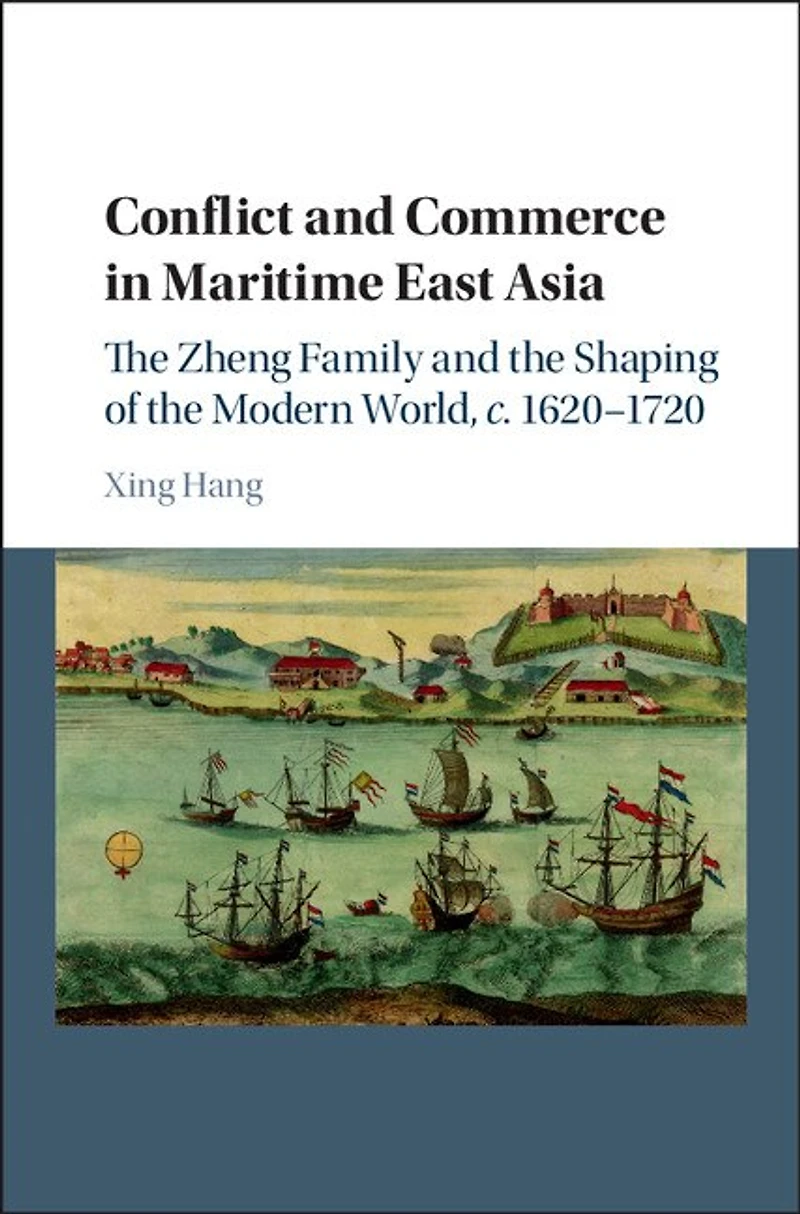
Conflict and Commerce Maritime East Asia: the Zheng Family Shaping of Modern World, c.1620–1720 in Ottawa, ON
Current price: $145.95

Conflict and Commerce Maritime East Asia: the Zheng Family Shaping of Modern World, c.1620–1720 in Ottawa, ON
Current price: $145.95
Loading Inventory...
Size: Hardcover
*Product information may vary - to confirm product availability, pricing, shipping and return information please contact Coles
The Zheng family of merchants and militarists emerged from the tumultuous seventeenth century amid a severe economic depression, a harrowing dynastic transition from the ethnic Chinese Ming to the Manchu Qing, and the first wave of European expansion into East Asia. Under four generations of leaders over six decades, the Zheng had come to dominate trade across the China Seas. Their average annual earnings matched, and at times exceeded, those of their fiercest rivals: the Dutch East India Company. Although nominally loyal to the Ming in its doomed struggle against the Manchus, the Zheng eventually forged an autonomous territorial state based on Taiwan with the potential to encompass the family's entire economic sphere of influence. Through the story of the Zheng, Xing Hang provides a fresh perspective on the economic divergence of early modern China from western Europe, its twenty-first-century resurgence, and the meaning of a Chinese identity outside China.
The Zheng family of merchants and militarists emerged from the tumultuous seventeenth century amid a severe economic depression, a harrowing dynastic transition from the ethnic Chinese Ming to the Manchu Qing, and the first wave of European expansion into East Asia. Under four generations of leaders over six decades, the Zheng had come to dominate trade across the China Seas. Their average annual earnings matched, and at times exceeded, those of their fiercest rivals: the Dutch East India Company. Although nominally loyal to the Ming in its doomed struggle against the Manchus, the Zheng eventually forged an autonomous territorial state based on Taiwan with the potential to encompass the family's entire economic sphere of influence. Through the story of the Zheng, Xing Hang provides a fresh perspective on the economic divergence of early modern China from western Europe, its twenty-first-century resurgence, and the meaning of a Chinese identity outside China.
You May Also Like







More About Coles at Bayshore Shopping Centre
Coles is renowned for its outstanding customer service and great selection of books. Along with the vast array of magazines, stationary, audio-books, children's literature, fiction, non-fiction and reference books, you can find accessories to make your reading experience more pleasurable. We can recommend the very best in reading today. We will help you search our titles for exactly what you need, and if we do not have it in stock, we will order it for you.
100 Bayshore Dr, Nepean, ON K2B 8C1, Canada
Find Coles at Bayshore Shopping Centre in Ottawa, ON
Visit Coles at Bayshore Shopping Centre in Ottawa, ON