

Give the Gift of Choice!
Too many options? Treat your friends and family to their favourite stores with a Bayshore Shopping Centre gift card, redeemable at participating retailers throughout the centre. Click below to purchase yours today!Purchase HereHome
Conflict, Commerce, and an Aesthetic of Appropriation in the Italian Maritime Cities, 1000-1150
Coles
Loading Inventory...
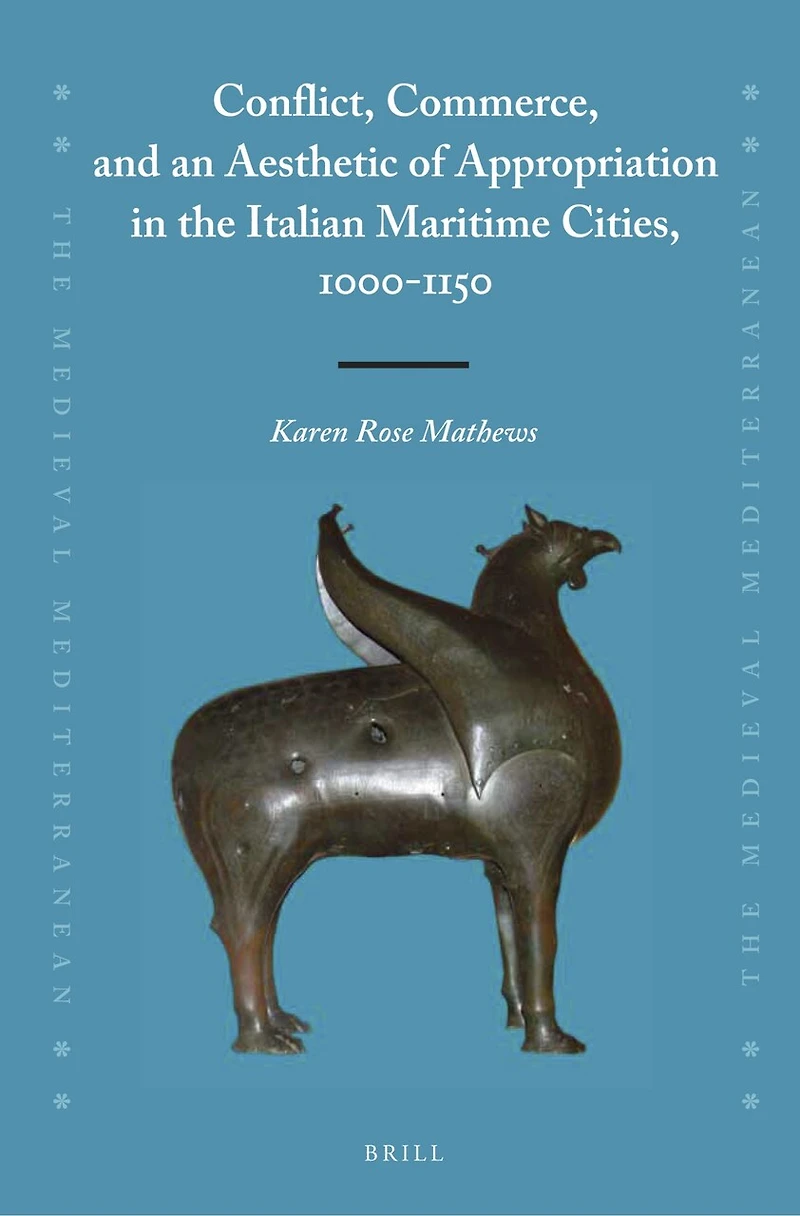
Conflict, Commerce, and an Aesthetic of Appropriation in the Italian Maritime Cities, 1000-1150 in Ottawa, ON
Current price: $162.99

Conflict, Commerce, and an Aesthetic of Appropriation in the Italian Maritime Cities, 1000-1150 in Ottawa, ON
Current price: $162.99
Loading Inventory...
Size: Hardcover
*Product information may vary - to confirm product availability, pricing, shipping and return information please contact Coles
In Conflict, Commerce, and an Aesthetic of Appropriation in the Italian Maritime Cities, 1000-1150 , Karen Rose Mathews analyzes the relationship between war, trade, and the use of spolia (appropriated objects from past and foreign cultures) as architectural decoration in the public monuments of the Italian maritime republics in the eleventh and twelfth centuries. This comparative study addressing five urban centers argues that the multivalence of spolia and their openness to new interpretations made them the ideal visual form to define a distinct Mediterranean identity for the inhabitants of these cities, celebrating the wealth and prestige that resulted from the paired endeavors of war and commerce while referencing the cultures across the sea that inspired the greatest hostility, fear, or admiration.
In Conflict, Commerce, and an Aesthetic of Appropriation in the Italian Maritime Cities, 1000-1150 , Karen Rose Mathews analyzes the relationship between war, trade, and the use of spolia (appropriated objects from past and foreign cultures) as architectural decoration in the public monuments of the Italian maritime republics in the eleventh and twelfth centuries. This comparative study addressing five urban centers argues that the multivalence of spolia and their openness to new interpretations made them the ideal visual form to define a distinct Mediterranean identity for the inhabitants of these cities, celebrating the wealth and prestige that resulted from the paired endeavors of war and commerce while referencing the cultures across the sea that inspired the greatest hostility, fear, or admiration.
You May Also Like








More About Coles at Bayshore Shopping Centre
Coles is renowned for its outstanding customer service and great selection of books. Along with the vast array of magazines, stationary, audio-books, children's literature, fiction, non-fiction and reference books, you can find accessories to make your reading experience more pleasurable. We can recommend the very best in reading today. We will help you search our titles for exactly what you need, and if we do not have it in stock, we will order it for you.
100 Bayshore Dr, Nepean, ON K2B 8C1, Canada
Find Coles at Bayshore Shopping Centre in Ottawa, ON
Visit Coles at Bayshore Shopping Centre in Ottawa, ON