

Give the Gift of Choice!
Too many options? Treat your friends and family to their favourite stores with a Bayshore Shopping Centre gift card, redeemable at participating retailers throughout the centre. Click below to purchase yours today!Purchase HereHome
Conflict for Resources: Water in the Lake Chad Basin
Coles
Loading Inventory...
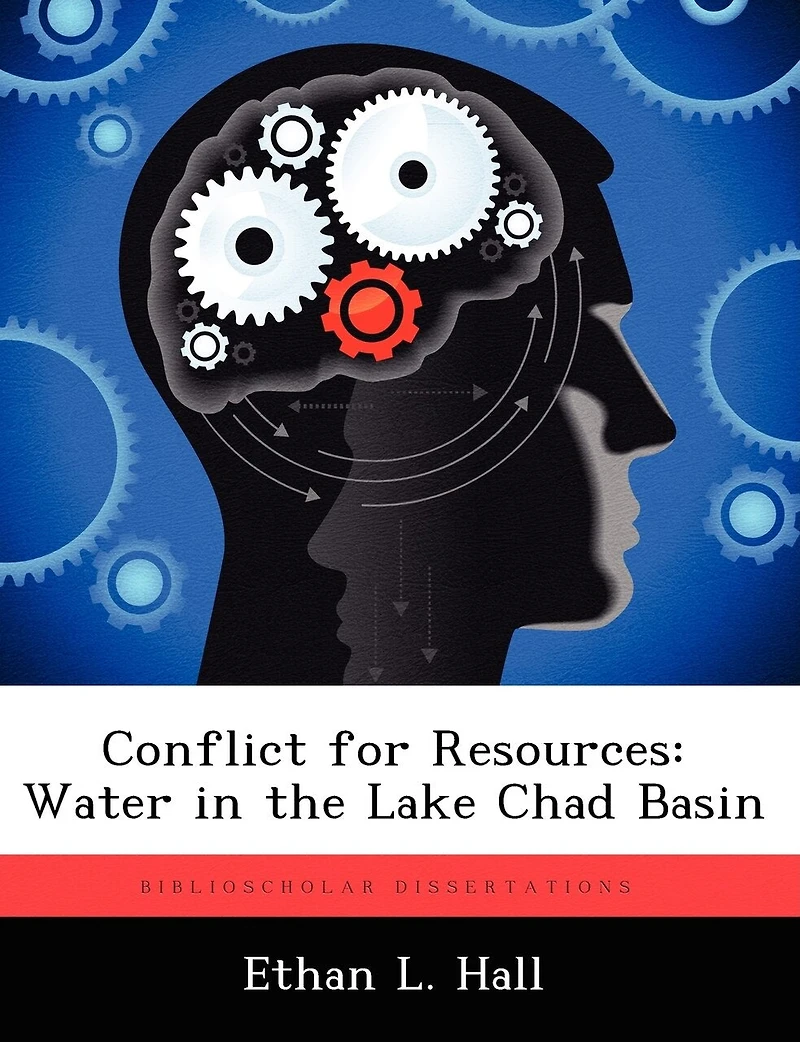
Conflict for Resources: Water in the Lake Chad Basin in Ottawa, ON
Current price: $59.00

Conflict for Resources: Water in the Lake Chad Basin in Ottawa, ON
Current price: $59.00
Loading Inventory...
Size: Paperback
*Product information may vary - to confirm product availability, pricing, shipping and return information please contact Coles
This monograph discusses the propensity for conflict surrounding the diminishing water in Lake Chad. The shortage of water in the lake and its basin threatens regional economic development and the existence of the population in the area. The paper uses a comparative case study to determine the extent that states conflict over scarce natural resources. The first case study examines the dispute over possession of the Spratly Islands located in the South China Sea. The Spratly Islands and the South China Sea may possess significant oil and natural gas deposits. The island chain is also claimed by multiple states with interstate conflict between China and Vietnam over legitimate possession. The second case study examines the potential for conflict within the Lake Chad Basin. Lake Chad lies within four African states, Nigeria, Niger, Cameroon and Chad. These riparian states require water from the lake to support the population's drinking, agriculture, livestock and sanitation. Since 1960, Lake Chad's water has receded. Population increases, climate change, desertification, regional conflict and manmade water catchment projects compound the regional shortage of water.
This monograph discusses the propensity for conflict surrounding the diminishing water in Lake Chad. The shortage of water in the lake and its basin threatens regional economic development and the existence of the population in the area. The paper uses a comparative case study to determine the extent that states conflict over scarce natural resources. The first case study examines the dispute over possession of the Spratly Islands located in the South China Sea. The Spratly Islands and the South China Sea may possess significant oil and natural gas deposits. The island chain is also claimed by multiple states with interstate conflict between China and Vietnam over legitimate possession. The second case study examines the potential for conflict within the Lake Chad Basin. Lake Chad lies within four African states, Nigeria, Niger, Cameroon and Chad. These riparian states require water from the lake to support the population's drinking, agriculture, livestock and sanitation. Since 1960, Lake Chad's water has receded. Population increases, climate change, desertification, regional conflict and manmade water catchment projects compound the regional shortage of water.
You May Also Like








More About Coles at Bayshore Shopping Centre
Coles is renowned for its outstanding customer service and great selection of books. Along with the vast array of magazines, stationary, audio-books, children's literature, fiction, non-fiction and reference books, you can find accessories to make your reading experience more pleasurable. We can recommend the very best in reading today. We will help you search our titles for exactly what you need, and if we do not have it in stock, we will order it for you.
100 Bayshore Dr, Nepean, ON K2B 8C1, Canada
Find Coles at Bayshore Shopping Centre in Ottawa, ON
Visit Coles at Bayshore Shopping Centre in Ottawa, ON