

Give the Gift of Choice!
Too many options? Treat your friends and family to their favourite stores with a Bayshore Shopping Centre gift card, redeemable at participating retailers throughout the centre. Click below to purchase yours today!Purchase HereHome
Confucian Geopolitics: Chinese Geopolitical Imaginations Of The Us War On Terror
Coles
Loading Inventory...
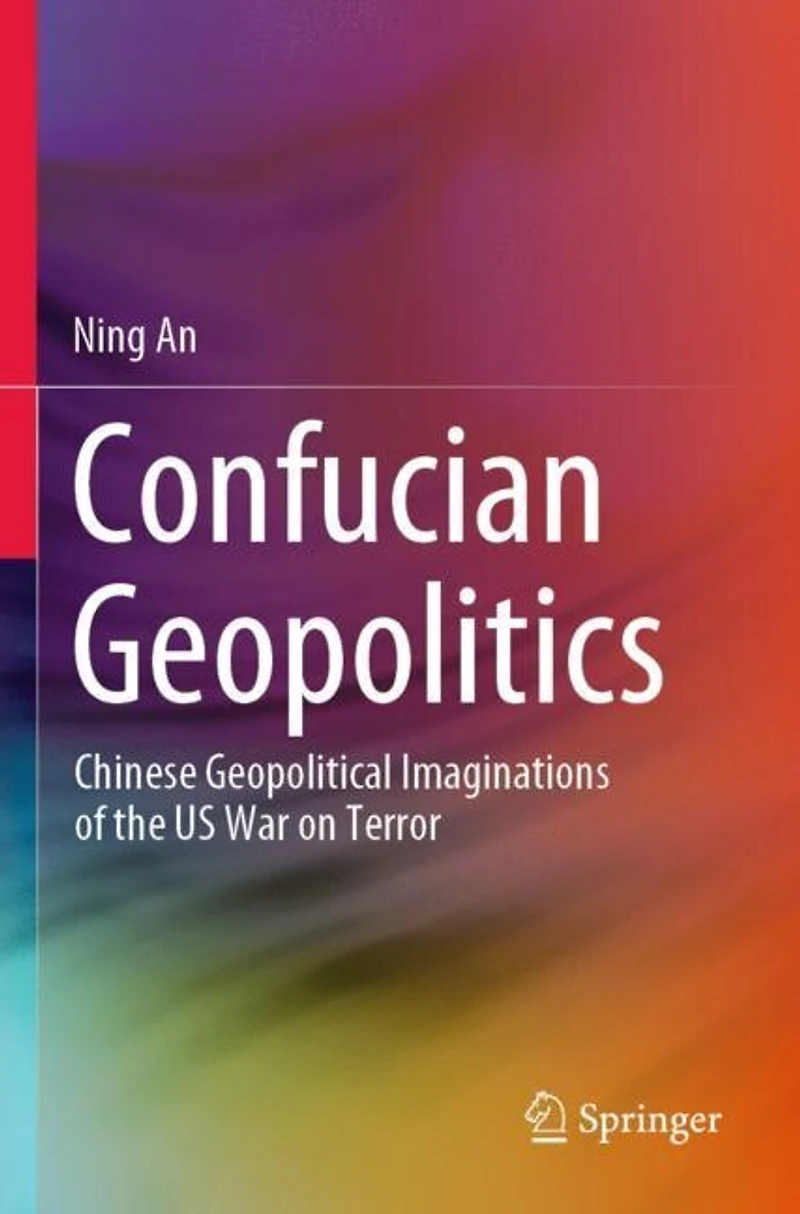
Confucian Geopolitics: Chinese Geopolitical Imaginations Of The Us War On Terror in Ottawa, ON
Current price: $80.50

Confucian Geopolitics: Chinese Geopolitical Imaginations Of The Us War On Terror in Ottawa, ON
Current price: $80.50
Loading Inventory...
Size: Paperback
*Product information may vary - to confirm product availability, pricing, shipping and return information please contact Coles
This book presents an essential non-western geopolitical landscape and draws on the conceptual framework of critical geopolitics to discuss the views on terrorism held by various groups of Chinese people, including the elite, middle class, and masses. After investigating these views, the book posits that these Chinese geopolitical imaginaries cannot be fully understood using the extant geopolitical theories, including communism, nationalism, and realism. Accordingly, it subsequently seeks to adapt the Confucian geopolitical idea in order to theorize Chinese geopolitics. By doing so, the book reintroduces the historically embedded but long-ignored traditional Chinese political geography philosophies (in particular Confucian thinking) into efforts to explain Chinese geopolitics. In this regard, it promotes a specific and importantly Confucianism-based understanding of international security politics. The geopolitical model provided can also help to explain Chinese views on other major geopolitical issues.
This book presents an essential non-western geopolitical landscape and draws on the conceptual framework of critical geopolitics to discuss the views on terrorism held by various groups of Chinese people, including the elite, middle class, and masses. After investigating these views, the book posits that these Chinese geopolitical imaginaries cannot be fully understood using the extant geopolitical theories, including communism, nationalism, and realism. Accordingly, it subsequently seeks to adapt the Confucian geopolitical idea in order to theorize Chinese geopolitics. By doing so, the book reintroduces the historically embedded but long-ignored traditional Chinese political geography philosophies (in particular Confucian thinking) into efforts to explain Chinese geopolitics. In this regard, it promotes a specific and importantly Confucianism-based understanding of international security politics. The geopolitical model provided can also help to explain Chinese views on other major geopolitical issues.
You May Also Like









More About Coles at Bayshore Shopping Centre
Coles is renowned for its outstanding customer service and great selection of books. Along with the vast array of magazines, stationary, audio-books, children's literature, fiction, non-fiction and reference books, you can find accessories to make your reading experience more pleasurable. We can recommend the very best in reading today. We will help you search our titles for exactly what you need, and if we do not have it in stock, we will order it for you.
100 Bayshore Dr, Nepean, ON K2B 8C1, Canada
Find Coles at Bayshore Shopping Centre in Ottawa, ON
Visit Coles at Bayshore Shopping Centre in Ottawa, ON