

Give the Gift of Choice!
Too many options? Treat your friends and family to their favourite stores with a Bayshore Shopping Centre gift card, redeemable at participating retailers throughout the centre. Click below to purchase yours today!Purchase HereHome
Connections Between Neuroscience, Rhetoric, and Writing: A Plastic Pedagogy for the Digital Age
Coles
Loading Inventory...
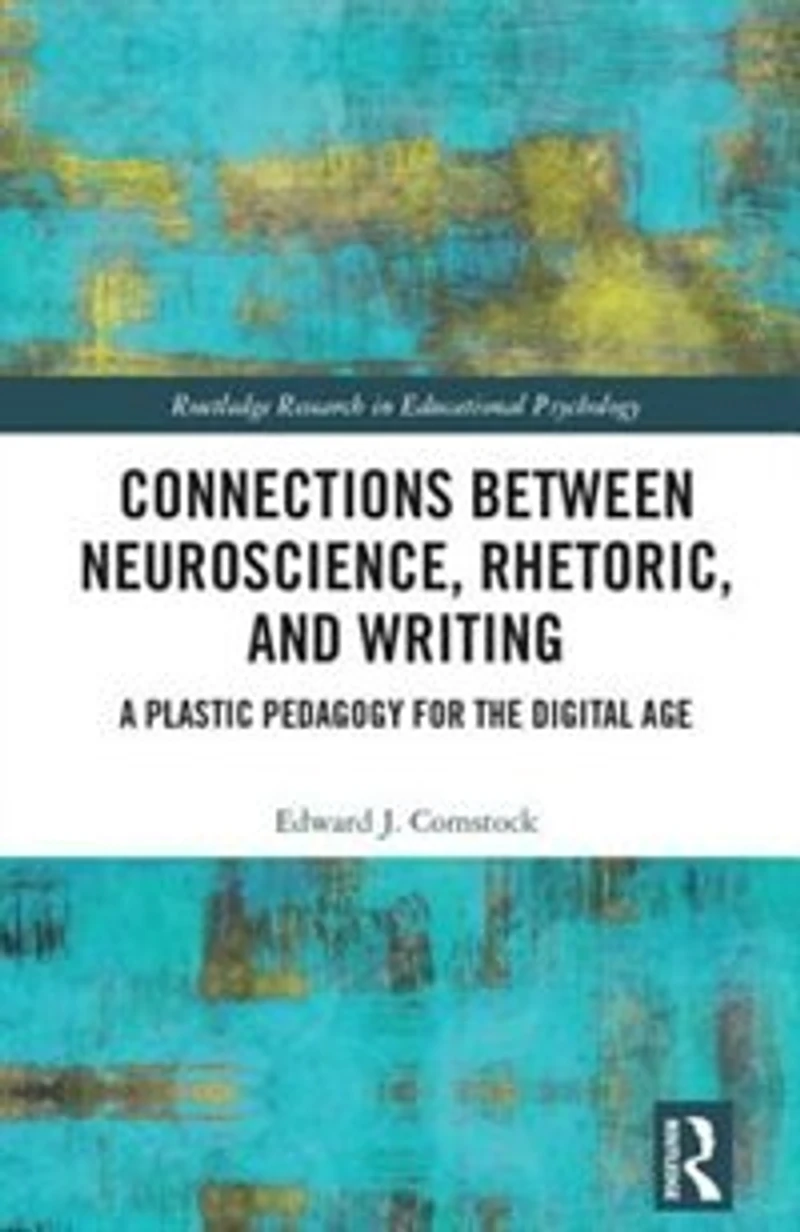
Connections Between Neuroscience, Rhetoric, and Writing: A Plastic Pedagogy for the Digital Age in Ottawa, ON
Current price: $296.50

Connections Between Neuroscience, Rhetoric, and Writing: A Plastic Pedagogy for the Digital Age in Ottawa, ON
Current price: $296.50
Loading Inventory...
Size: Hardcover
*Product information may vary - to confirm product availability, pricing, shipping and return information please contact Coles
This book argues that contemporary neuroscience compliments, extends, and challenges recent and influential posthuman and new materialist accounts of the relations between rhetoric, affect, and writing pedagogy. Drawing on cutting-edge neuro-philosophy, Comstock re-thinks both historical and current relations between writing and power around questions of affect, attention, and plasticity. In considering the uses and limits of exciting new findings from the neurobiology, this volume both theorizes and offers pedagogical strategies for teaching writing in a digital age characterized by the erosion of wonder and pervasive disaffection. Ultimately, in response to recent critiques transcendental reason and subjectivity, and related calls for the increased inclusion of multi-modal and digital writing and rhetoric, Comstock argues for an embodied pedagogy that values the substantial relations between writing and pedagogical care.
This book argues that contemporary neuroscience compliments, extends, and challenges recent and influential posthuman and new materialist accounts of the relations between rhetoric, affect, and writing pedagogy. Drawing on cutting-edge neuro-philosophy, Comstock re-thinks both historical and current relations between writing and power around questions of affect, attention, and plasticity. In considering the uses and limits of exciting new findings from the neurobiology, this volume both theorizes and offers pedagogical strategies for teaching writing in a digital age characterized by the erosion of wonder and pervasive disaffection. Ultimately, in response to recent critiques transcendental reason and subjectivity, and related calls for the increased inclusion of multi-modal and digital writing and rhetoric, Comstock argues for an embodied pedagogy that values the substantial relations between writing and pedagogical care.
You May Also Like












More About Coles at Bayshore Shopping Centre
Coles is renowned for its outstanding customer service and great selection of books. Along with the vast array of magazines, stationary, audio-books, children's literature, fiction, non-fiction and reference books, you can find accessories to make your reading experience more pleasurable. We can recommend the very best in reading today. We will help you search our titles for exactly what you need, and if we do not have it in stock, we will order it for you.
100 Bayshore Dr, Nepean, ON K2B 8C1, Canada
Find Coles at Bayshore Shopping Centre in Ottawa, ON
Visit Coles at Bayshore Shopping Centre in Ottawa, ON