

Give the Gift of Choice!
Too many options? Treat your friends and family to their favourite stores with a Bayshore Shopping Centre gift card, redeemable at participating retailers throughout the centre. Click below to purchase yours today!Purchase HereHome
Conservative Belief and the Imagination Kipling's Fiction
Coles
Loading Inventory...
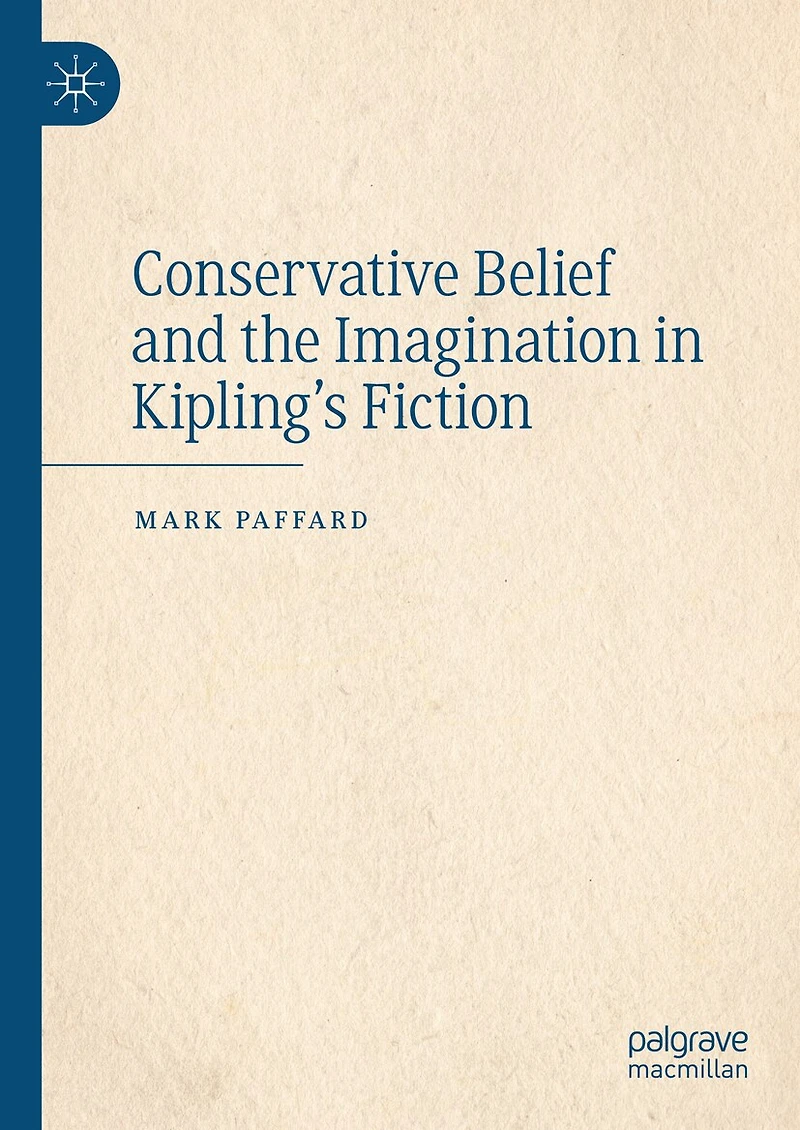
Conservative Belief and the Imagination Kipling's Fiction in Ottawa, ON
Current price: $189.95

Conservative Belief and the Imagination Kipling's Fiction in Ottawa, ON
Current price: $189.95
Loading Inventory...
Size: Hardcover
*Product information may vary - to confirm product availability, pricing, shipping and return information please contact Coles
This book explores the tension between the conservatism and the imaginative process across the entirety of Rudyard Kipling's fiction. It shows how Kipling the conservative thinker explores problematic aspects of Empire and the English class-system, both because it is unavoidable and because his art requires it. This tension is evident in the Indian and 'Imperial' Kipling and in his later 'English' stories. Situating Kipling's fiction within changing social and political contexts, Mark Paffard shows the anxieties Kipling as a conservative responds to in the early Indian stories to be very different from those caused by the economic and technological upheaval of the 'Belle Epoque', and those arising from the First World War. Paffard reveals how Kipling's development as a writer is shaped by his need to respond differently to a changing world: imperialist ideology and conservatism dictate the stories that he sets out to write, and his imagination and sympathy shape the stories that are finally written.
This book explores the tension between the conservatism and the imaginative process across the entirety of Rudyard Kipling's fiction. It shows how Kipling the conservative thinker explores problematic aspects of Empire and the English class-system, both because it is unavoidable and because his art requires it. This tension is evident in the Indian and 'Imperial' Kipling and in his later 'English' stories. Situating Kipling's fiction within changing social and political contexts, Mark Paffard shows the anxieties Kipling as a conservative responds to in the early Indian stories to be very different from those caused by the economic and technological upheaval of the 'Belle Epoque', and those arising from the First World War. Paffard reveals how Kipling's development as a writer is shaped by his need to respond differently to a changing world: imperialist ideology and conservatism dictate the stories that he sets out to write, and his imagination and sympathy shape the stories that are finally written.
You May Also Like









More About Coles at Bayshore Shopping Centre
Coles is renowned for its outstanding customer service and great selection of books. Along with the vast array of magazines, stationary, audio-books, children's literature, fiction, non-fiction and reference books, you can find accessories to make your reading experience more pleasurable. We can recommend the very best in reading today. We will help you search our titles for exactly what you need, and if we do not have it in stock, we will order it for you.
100 Bayshore Dr, Nepean, ON K2B 8C1, Canada
Find Coles at Bayshore Shopping Centre in Ottawa, ON
Visit Coles at Bayshore Shopping Centre in Ottawa, ON