

Give the Gift of Choice!
Too many options? Treat your friends and family to their favourite stores with a Bayshore Shopping Centre gift card, redeemable at participating retailers throughout the centre. Click below to purchase yours today!Purchase HereHome
Consider Leviathan: Narratives of Nature and the Self Job
Coles
Loading Inventory...
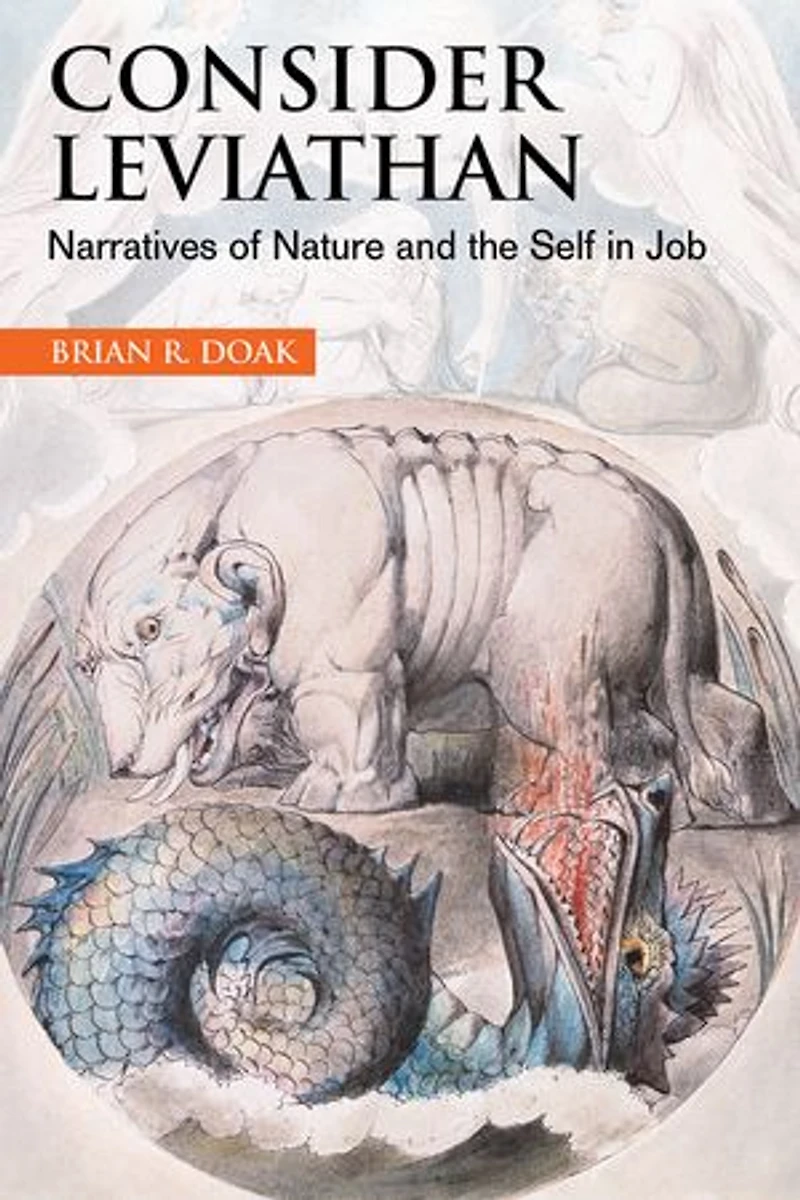
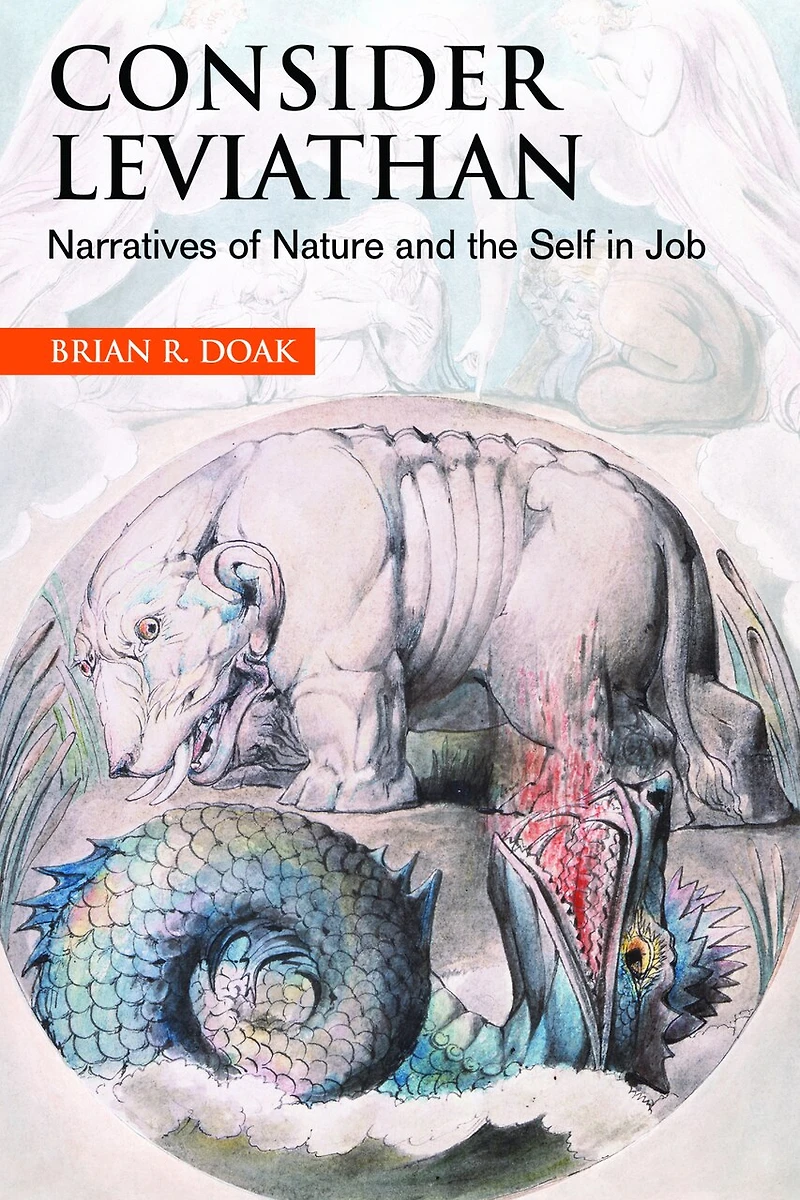
Consider Leviathan: Narratives of Nature and the Self Job in Ottawa, ON
Current price: $42.39
Original price: $52.99

Consider Leviathan: Narratives of Nature and the Self Job in Ottawa, ON
Current price: $42.39
Original price: $52.99
Loading Inventory...
Size: Kobo eBook
*Product information may vary - to confirm product availability, pricing, shipping and return information please contact Coles
Theologians and philosophers are turning again to questions of the meaning, or non-meaning, of the natural world for human self-understanding. Brian R. Doak observes that the book of Job, more than any other book in the Bible, uses metaphors drawn from the natural world, especially of plants and animals, as raw material for thinking about human suffering. Doak argues that Job should be viewed as an anthropological ground zero for the traumatic definition of the post-exilic human self in ancient Israel. Furthermore, the battered shape of the Joban experience should provide a starting point for reconfiguring our thinking about natural theology as a category of intellectual history in the ancient world. Doak examines how the development of the human subject is portrayed in the biblical text in either radical continuity or discontinuity with plants and animals. Consider Leviathan explores the text at the intersection of anthropology, theology, and ecology, opening up new possibilities for charting the view of nature in the Hebrew Bible.
Theologians and philosophers are turning again to questions of the meaning, or non-meaning, of the natural world for human self-understanding. Brian R. Doak observes that the book of Job, more than any other book in the Bible, uses metaphors drawn from the natural world, especially of plants and animals, as raw material for thinking about human suffering. Doak argues that Job should be viewed as an anthropological ground zero for the traumatic definition of the post-exilic human self in ancient Israel. Furthermore, the battered shape of the Joban experience should provide a starting point for reconfiguring our thinking about natural theology as a category of intellectual history in the ancient world. Doak examines how the development of the human subject is portrayed in the biblical text in either radical continuity or discontinuity with plants and animals. Consider Leviathan explores the text at the intersection of anthropology, theology, and ecology, opening up new possibilities for charting the view of nature in the Hebrew Bible.








More About Coles at Bayshore Shopping Centre
Coles is renowned for its outstanding customer service and great selection of books. Along with the vast array of magazines, stationary, audio-books, children's literature, fiction, non-fiction and reference books, you can find accessories to make your reading experience more pleasurable. We can recommend the very best in reading today. We will help you search our titles for exactly what you need, and if we do not have it in stock, we will order it for you.
100 Bayshore Dr, Nepean, ON K2B 8C1, Canada
Find Coles at Bayshore Shopping Centre in Ottawa, ON
Visit Coles at Bayshore Shopping Centre in Ottawa, ON