

Give the Gift of Choice!
Too many options? Treat your friends and family to their favourite stores with a Bayshore Shopping Centre gift card, redeemable at participating retailers throughout the centre. Click below to purchase yours today!Purchase HereHome
Conspiracy Culture: Post-soviet Paranoia And The Russian Imagination
Coles
Loading Inventory...
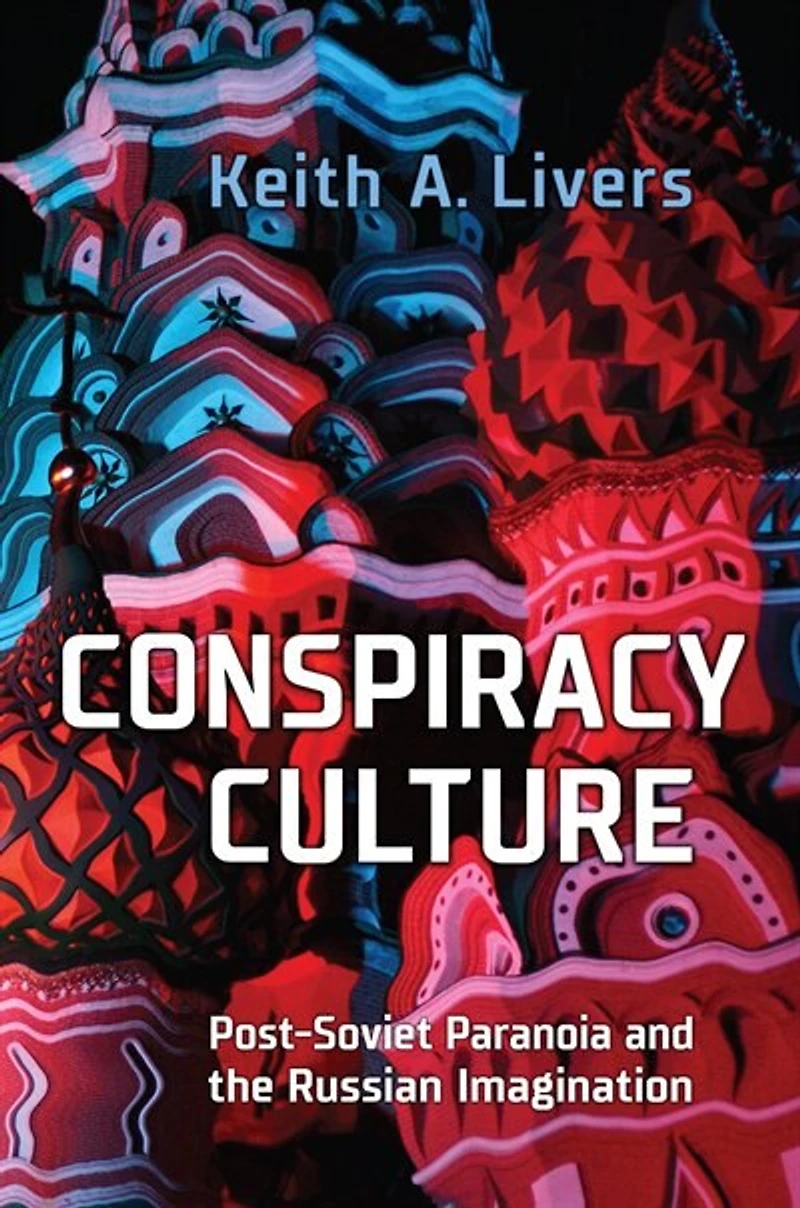
Conspiracy Culture: Post-soviet Paranoia And The Russian Imagination in Ottawa, ON
Current price: $101.87

Conspiracy Culture: Post-soviet Paranoia And The Russian Imagination in Ottawa, ON
Current price: $101.87
Loading Inventory...
Size: Hardcover
*Product information may vary - to confirm product availability, pricing, shipping and return information please contact Coles
Contemporary Russia stands apart as one of the most prolific generators of conspiracy theories and paranoid rhetoric. Conspiracy Culture traces the roots of the phenomenon within the sphere of culture and history, examining the long arc of Russian paranoia from the present moment back to earlier nineteenth-century sources, such as Dostoevsky’s anti-nihilist novel Demons .
Conspiracy Culture examines the use of conspiracy tropes by contemporary Russian authors and filmmakers including the postmodernist writer Viktor Pelevin, the conservative author and pundit Aleksandr Prokhanov, and the popular director Timur Bekmambetov. It also explores paranoia as an instrument within contemporary Russian political rhetoric, as well as in pseudo-historical works. What stands out is the manner in which popular paranoia is utilized to express broadly shared fears not only of a long-standing anti-Russian conspiracy undertaken by the West, but also about the destruction of the country’s cultural and spiritual capital within this imagined "Russophobic" plot.
Contemporary Russia stands apart as one of the most prolific generators of conspiracy theories and paranoid rhetoric. Conspiracy Culture traces the roots of the phenomenon within the sphere of culture and history, examining the long arc of Russian paranoia from the present moment back to earlier nineteenth-century sources, such as Dostoevsky’s anti-nihilist novel Demons .
Conspiracy Culture examines the use of conspiracy tropes by contemporary Russian authors and filmmakers including the postmodernist writer Viktor Pelevin, the conservative author and pundit Aleksandr Prokhanov, and the popular director Timur Bekmambetov. It also explores paranoia as an instrument within contemporary Russian political rhetoric, as well as in pseudo-historical works. What stands out is the manner in which popular paranoia is utilized to express broadly shared fears not only of a long-standing anti-Russian conspiracy undertaken by the West, but also about the destruction of the country’s cultural and spiritual capital within this imagined "Russophobic" plot.
You May Also Like









More About Coles at Bayshore Shopping Centre
Coles is renowned for its outstanding customer service and great selection of books. Along with the vast array of magazines, stationary, audio-books, children's literature, fiction, non-fiction and reference books, you can find accessories to make your reading experience more pleasurable. We can recommend the very best in reading today. We will help you search our titles for exactly what you need, and if we do not have it in stock, we will order it for you.
100 Bayshore Dr, Nepean, ON K2B 8C1, Canada
Find Coles at Bayshore Shopping Centre in Ottawa, ON
Visit Coles at Bayshore Shopping Centre in Ottawa, ON