

Give the Gift of Choice!
Too many options? Treat your friends and family to their favourite stores with a Bayshore Shopping Centre gift card, redeemable at participating retailers throughout the centre. Click below to purchase yours today!Purchase HereHome
Conspiracy Panics: Political Rationality and Popular Culture
Coles
Loading Inventory...
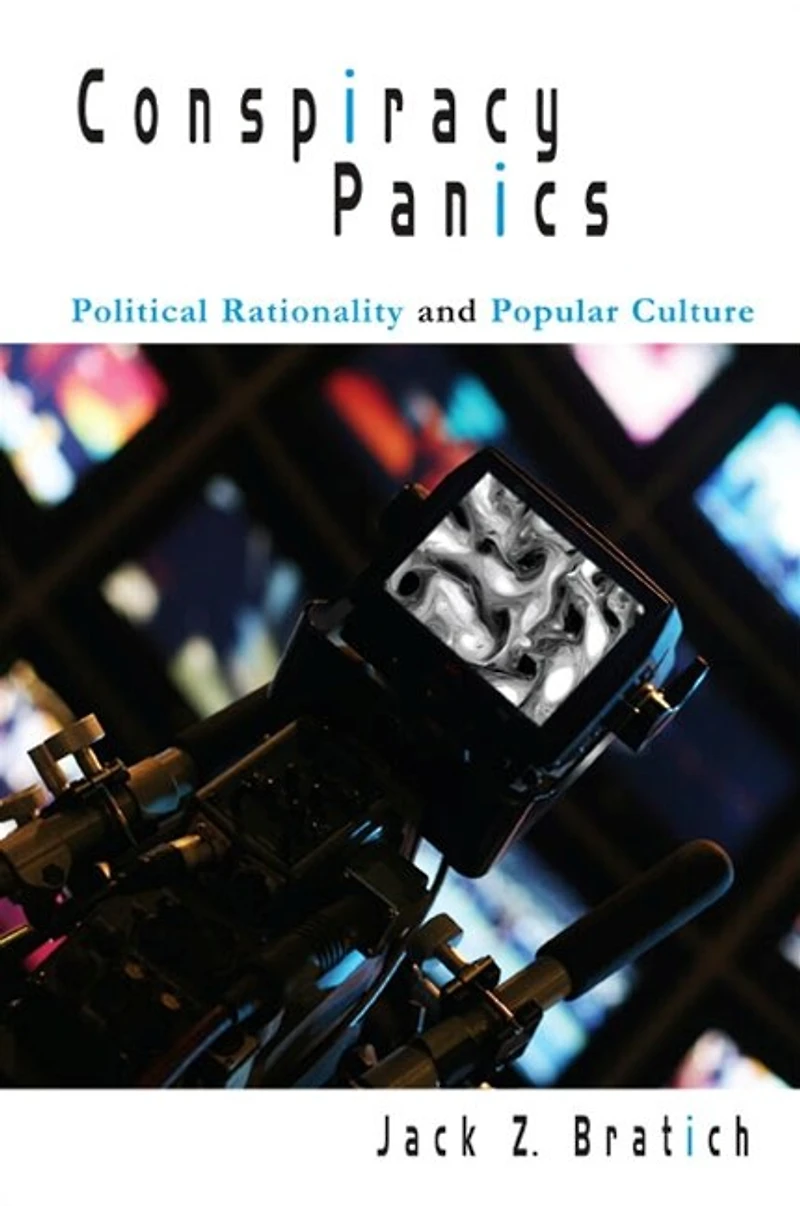
Conspiracy Panics: Political Rationality and Popular Culture in Ottawa, ON
Current price: $48.95

Conspiracy Panics: Political Rationality and Popular Culture in Ottawa, ON
Current price: $48.95
Loading Inventory...
Size: Paperback
*Product information may vary - to confirm product availability, pricing, shipping and return information please contact Coles
Examines contemporary anxiety over the phenomenon of conspiracy theories.
While most other works focus on conspiracy theories, this book examines conspiracy panics, or the anxiety over the phenomenon of conspiracy theories. Jack Z. Bratich argues that conspiracy theories are portals into the major social issues defining U.S. and global political culture. These issues include the rise of new technologies, the social function of journalism, U.S. race relations, citizenship and dissent, globalization, biowarfare and biomedicine, and the shifting positions within the Left. Using a Foucauldian governmentality analysis, Bratich maintains that conspiracy panics contribute to a broader political rationality, a (neo)liberal strategy of governing at a distance through the use of reason. He also explores the growing popularity of 9/11 conspiracy research in terms of what he calls the "sphere of legitimate dissensus." Conspiracy Panics concludes that we are witnessing a new fusion of culture and rationality, one that is increasingly shared across the political spectrum.
Examines contemporary anxiety over the phenomenon of conspiracy theories.
While most other works focus on conspiracy theories, this book examines conspiracy panics, or the anxiety over the phenomenon of conspiracy theories. Jack Z. Bratich argues that conspiracy theories are portals into the major social issues defining U.S. and global political culture. These issues include the rise of new technologies, the social function of journalism, U.S. race relations, citizenship and dissent, globalization, biowarfare and biomedicine, and the shifting positions within the Left. Using a Foucauldian governmentality analysis, Bratich maintains that conspiracy panics contribute to a broader political rationality, a (neo)liberal strategy of governing at a distance through the use of reason. He also explores the growing popularity of 9/11 conspiracy research in terms of what he calls the "sphere of legitimate dissensus." Conspiracy Panics concludes that we are witnessing a new fusion of culture and rationality, one that is increasingly shared across the political spectrum.
You May Also Like








More About Coles at Bayshore Shopping Centre
Coles is renowned for its outstanding customer service and great selection of books. Along with the vast array of magazines, stationary, audio-books, children's literature, fiction, non-fiction and reference books, you can find accessories to make your reading experience more pleasurable. We can recommend the very best in reading today. We will help you search our titles for exactly what you need, and if we do not have it in stock, we will order it for you.
100 Bayshore Dr, Nepean, ON K2B 8C1, Canada
Find Coles at Bayshore Shopping Centre in Ottawa, ON
Visit Coles at Bayshore Shopping Centre in Ottawa, ON