

Give the Gift of Choice!
Too many options? Treat your friends and family to their favourite stores with a Bayshore Shopping Centre gift card, redeemable at participating retailers throughout the centre. Click below to purchase yours today!Purchase HereHome
Constitutional Symmetry: Judging in a Divided Republic
Coles
Loading Inventory...
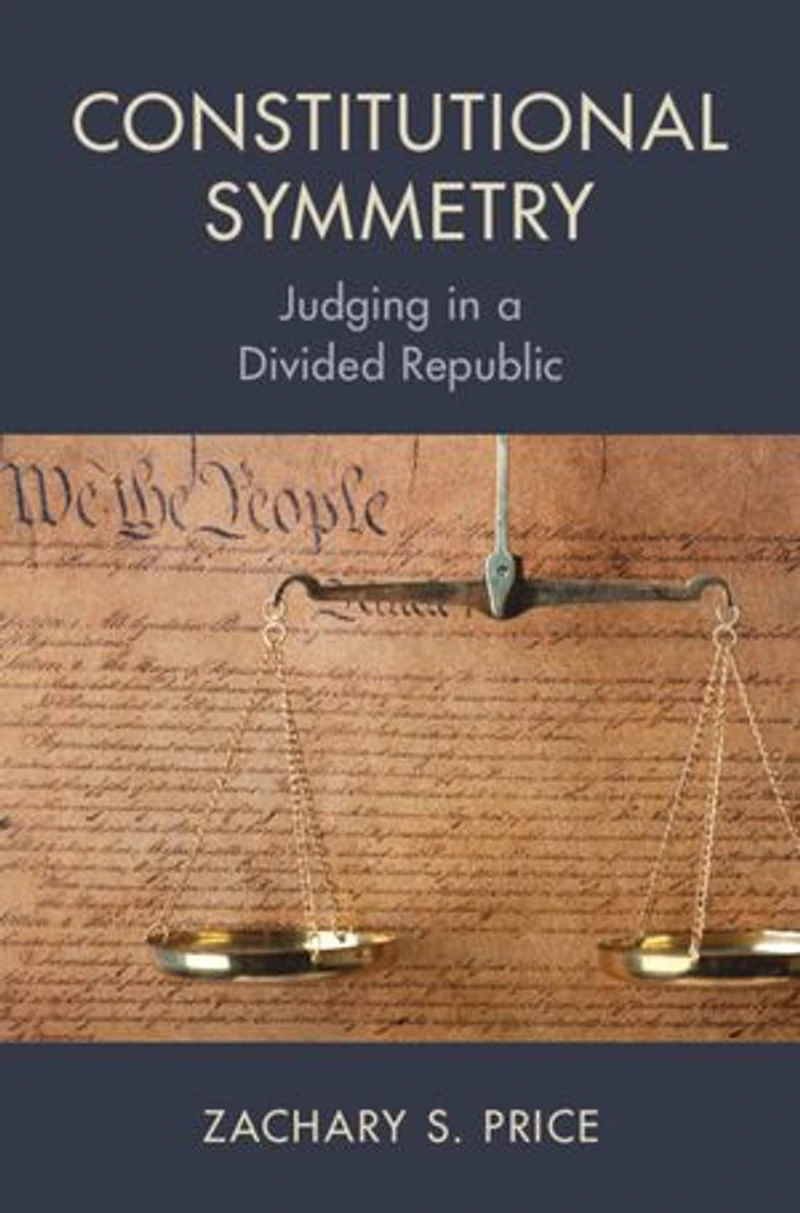
Constitutional Symmetry: Judging in a Divided Republic in Ottawa, ON
Current price: $36.79
Original price: $45.95

Constitutional Symmetry: Judging in a Divided Republic in Ottawa, ON
Current price: $36.79
Original price: $45.95
Loading Inventory...
Size: Kobo eBook
*Product information may vary - to confirm product availability, pricing, shipping and return information please contact Coles
Intense political disagreements over constitutional law and the Supreme Court have divided America. Constitutional Symmetry offers a fresh perspective by urging judges to make decisions that work 'symmetrically' across major partisan and ideological divides instead of favoring one partisan coalition over the other. Zachary S. Price argues this approach will aid the political process, align with the role morality of judging, and advance the framers' hopes for the Constitution. Chapters explore how this approach can encourage new solutions to fraught debates over free speech, religious liberty, separation of powers, federalism, affirmative action, gun rights, abortion, parental rights, and the law of democracy. Timely and innovative, this book is must-read for anyone seeking to understand the sources and implications of constitutional polarization in the contemporary United States.
Intense political disagreements over constitutional law and the Supreme Court have divided America. Constitutional Symmetry offers a fresh perspective by urging judges to make decisions that work 'symmetrically' across major partisan and ideological divides instead of favoring one partisan coalition over the other. Zachary S. Price argues this approach will aid the political process, align with the role morality of judging, and advance the framers' hopes for the Constitution. Chapters explore how this approach can encourage new solutions to fraught debates over free speech, religious liberty, separation of powers, federalism, affirmative action, gun rights, abortion, parental rights, and the law of democracy. Timely and innovative, this book is must-read for anyone seeking to understand the sources and implications of constitutional polarization in the contemporary United States.
You May Also Like









More About Coles at Bayshore Shopping Centre
Coles is renowned for its outstanding customer service and great selection of books. Along with the vast array of magazines, stationary, audio-books, children's literature, fiction, non-fiction and reference books, you can find accessories to make your reading experience more pleasurable. We can recommend the very best in reading today. We will help you search our titles for exactly what you need, and if we do not have it in stock, we will order it for you.
100 Bayshore Dr, Nepean, ON K2B 8C1, Canada
Find Coles at Bayshore Shopping Centre in Ottawa, ON
Visit Coles at Bayshore Shopping Centre in Ottawa, ON