

Give the Gift of Choice!
Too many options? Treat your friends and family to their favourite stores with a Bayshore Shopping Centre gift card, redeemable at participating retailers throughout the centre. Click below to purchase yours today!Purchase HereHome
Constructing Religious Martyrdom: A Cross-Cultural Study
Coles
Loading Inventory...
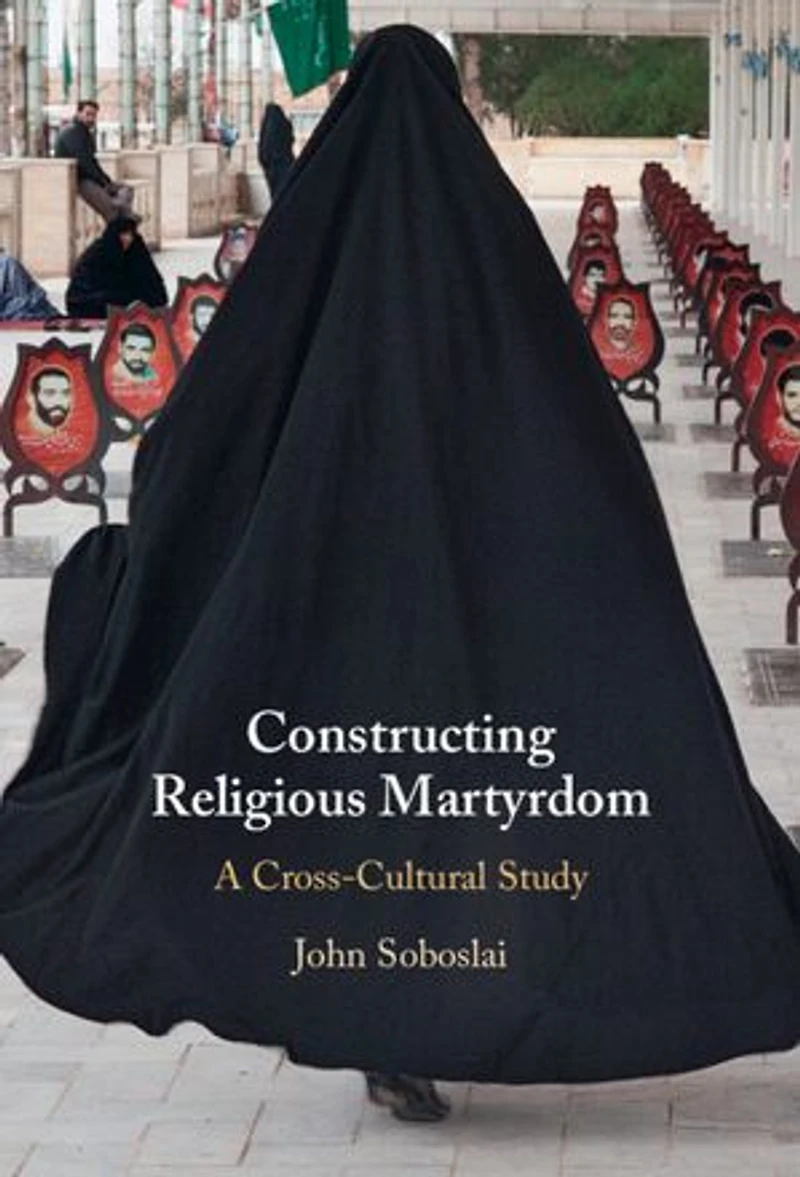
Constructing Religious Martyrdom: A Cross-Cultural Study in Ottawa, ON
Current price: $138.39
Original price: $172.95

Constructing Religious Martyrdom: A Cross-Cultural Study in Ottawa, ON
Current price: $138.39
Original price: $172.95
Loading Inventory...
Size: Kobo eBook
*Product information may vary - to confirm product availability, pricing, shipping and return information please contact Coles
Martyrdom is a phenomenon common to many of the world's religious traditions. But why? In this study, John Soboslai offers insights into the practices of self-sacrifice within specific sociopolitical contexts. Providing a new understanding of martyrdom through the lens of political theology, he analyzes discourses and performances in four religious traditions during social and political crises, beginning with second-century Christianity in Asia Minor, where the term 'martyr' first took its meaning. He also analyzes Shi'a Islam in the 1980s, when 'suicide bombing' first appeared as a strategy in West Asia; global Sikhism during World War I, where martyrs stood for and against the British Raj; and twenty-first-century Tibetan Buddhism, where self-immolators used their bodies in opposition to the programs of the People's Republic of China. Presenting a new theory of martyrdom linked to constructions of sovereign authority, Soboslai reveals common features of self-sacrifice and demonstrates how bodily performances buttress conceptions of authority.
Martyrdom is a phenomenon common to many of the world's religious traditions. But why? In this study, John Soboslai offers insights into the practices of self-sacrifice within specific sociopolitical contexts. Providing a new understanding of martyrdom through the lens of political theology, he analyzes discourses and performances in four religious traditions during social and political crises, beginning with second-century Christianity in Asia Minor, where the term 'martyr' first took its meaning. He also analyzes Shi'a Islam in the 1980s, when 'suicide bombing' first appeared as a strategy in West Asia; global Sikhism during World War I, where martyrs stood for and against the British Raj; and twenty-first-century Tibetan Buddhism, where self-immolators used their bodies in opposition to the programs of the People's Republic of China. Presenting a new theory of martyrdom linked to constructions of sovereign authority, Soboslai reveals common features of self-sacrifice and demonstrates how bodily performances buttress conceptions of authority.
You May Also Like







More About Coles at Bayshore Shopping Centre
Coles is renowned for its outstanding customer service and great selection of books. Along with the vast array of magazines, stationary, audio-books, children's literature, fiction, non-fiction and reference books, you can find accessories to make your reading experience more pleasurable. We can recommend the very best in reading today. We will help you search our titles for exactly what you need, and if we do not have it in stock, we will order it for you.
100 Bayshore Dr, Nepean, ON K2B 8C1, Canada
Find Coles at Bayshore Shopping Centre in Ottawa, ON
Visit Coles at Bayshore Shopping Centre in Ottawa, ON