

Give the Gift of Choice!
Too many options? Treat your friends and family to their favourite stores with a Bayshore Shopping Centre gift card, redeemable at participating retailers throughout the centre. Click below to purchase yours today!Purchase HereHome
Constructing the Achievement State: Cultural Administration Postrevolutionary Egypt
Coles
Loading Inventory...
Constructing the Achievement State: Cultural Administration Postrevolutionary Egypt in Ottawa, ON
By None
Current price: $149.95

By None
Constructing the Achievement State: Cultural Administration Postrevolutionary Egypt in Ottawa, ON
Current price: $149.95
Loading Inventory...
Size: Hardcover
*Product information may vary - to confirm product availability, pricing, shipping and return information please contact Coles
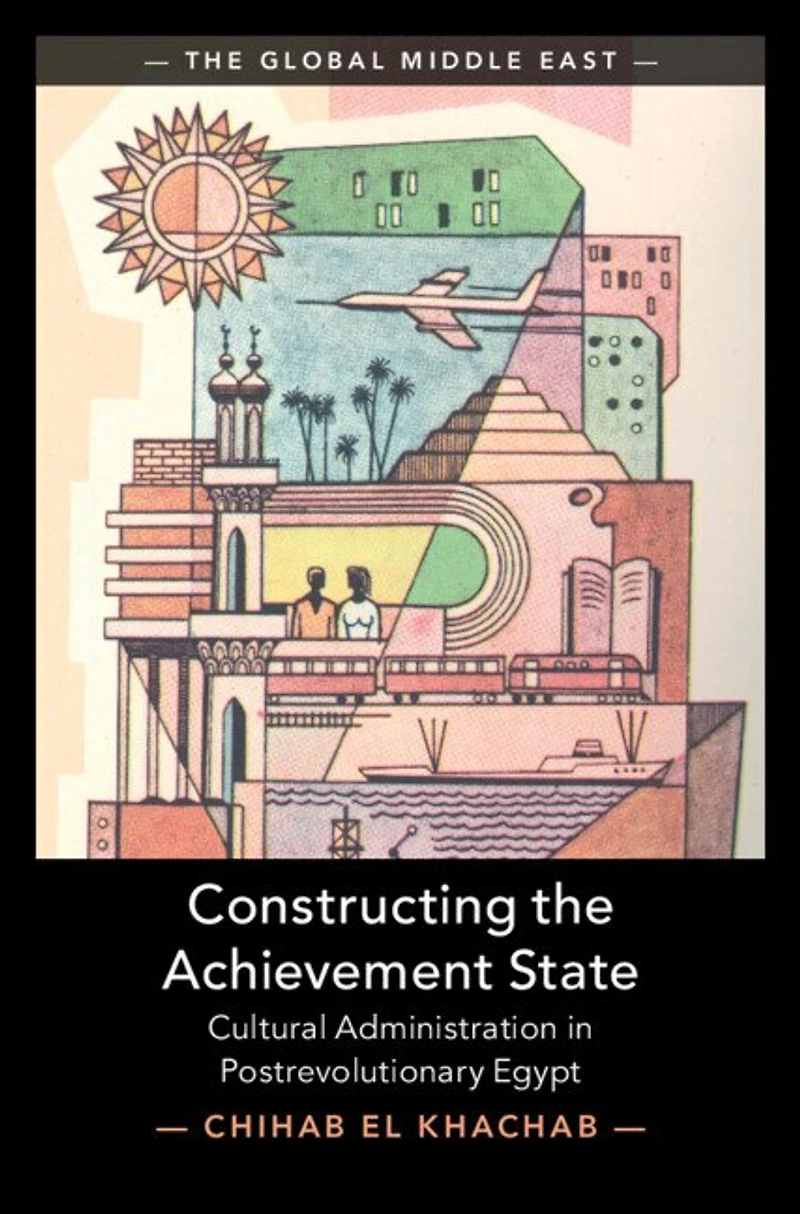
After the 1952 revolution, the Egyptian state became an ideological project promoted by national cultural and media institutions. Focusing particularly on the years under the leadership of Gamal Abdel Nasser (1954–1970), Chihab El Khachab uses official written and visual sources produced by different governmental departments to show how low- and mid-ranking bureaucrats represented and embodied the Egyptian state through a praxis of 'achievement' (ingāz, pl. ingazāt). This study demonstrates how a successful anti-colonial nationalist movement built its own state apparatus. El Khachab argues that the state's 'achievements' are neither the tangible outcome of governmental work nor the self-evident metrics needed to evaluate national progress, but an ideological category deployed by bureaucrats. Conceiving achievements in this way allows us to understand how everyday bureaucratic work represents and embodies 'the state', and why this idea remains an important force in contemporary Egypt.
After the 1952 revolution, the Egyptian state became an ideological project promoted by national cultural and media institutions. Focusing particularly on the years under the leadership of Gamal Abdel Nasser (1954–1970), Chihab El Khachab uses official written and visual sources produced by different governmental departments to show how low- and mid-ranking bureaucrats represented and embodied the Egyptian state through a praxis of 'achievement' (ingāz, pl. ingazāt). This study demonstrates how a successful anti-colonial nationalist movement built its own state apparatus. El Khachab argues that the state's 'achievements' are neither the tangible outcome of governmental work nor the self-evident metrics needed to evaluate national progress, but an ideological category deployed by bureaucrats. Conceiving achievements in this way allows us to understand how everyday bureaucratic work represents and embodies 'the state', and why this idea remains an important force in contemporary Egypt.
You May Also Like








More About Coles at Bayshore Shopping Centre
Coles is renowned for its outstanding customer service and great selection of books. Along with the vast array of magazines, stationary, audio-books, children's literature, fiction, non-fiction and reference books, you can find accessories to make your reading experience more pleasurable. We can recommend the very best in reading today. We will help you search our titles for exactly what you need, and if we do not have it in stock, we will order it for you.
100 Bayshore Dr, Nepean, ON K2B 8C1, Canada
Find Coles at Bayshore Shopping Centre in Ottawa, ON
Visit Coles at Bayshore Shopping Centre in Ottawa, ON