

Give the Gift of Choice!
Too many options? Treat your friends and family to their favourite stores with a Bayshore Shopping Centre gift card, redeemable at participating retailers throughout the centre. Click below to purchase yours today!Purchase HereHome
Consumers and Nanotechnology: Deliberative Processes Methodologies
Coles
Loading Inventory...
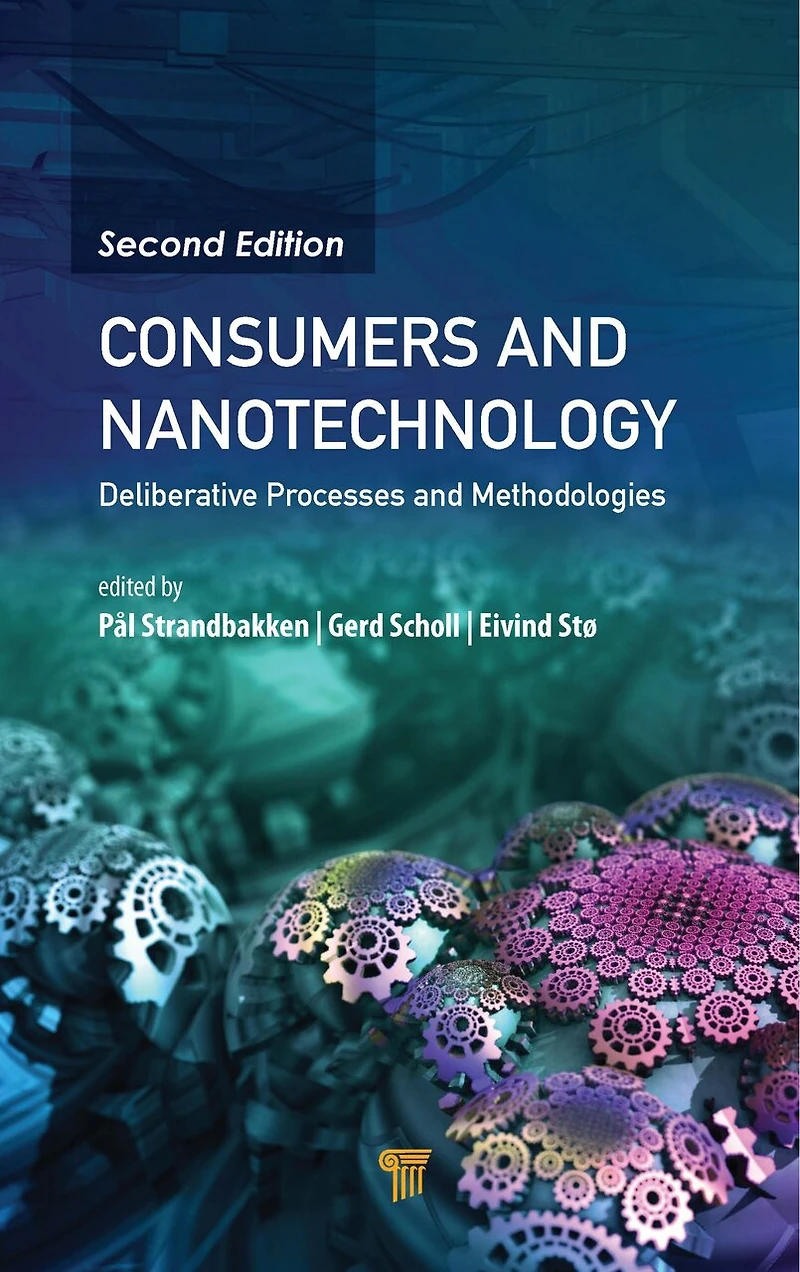
Consumers and Nanotechnology: Deliberative Processes Methodologies in Ottawa, ON
Current price: $147.95

Consumers and Nanotechnology: Deliberative Processes Methodologies in Ottawa, ON
Current price: $147.95
Loading Inventory...
Size: Hardcover
*Product information may vary - to confirm product availability, pricing, shipping and return information please contact Coles
This book presents findings from EU (and other) projects on the theme of science in society, focusing on nanotechnology and the potential for democratisation of science. It is based on hands-on studies of a set of deliberative processes analysed by the European Commission's FP7 NANOPLAT project. With added material in the second edition, the book gives a unique insight into the development of deliberative processes on nanotechnology from the start in June 2004 in Denmark up to the present. The analysis is based on an observation of 'generations' of deliberations and it develops the third-generation deliberation, first theoretically and then gets to test it out empirically under the NanoDiode project. In addition, it presents a version of Callon's 'hybrid forum', called HF 2.0, and compares this approach to the deliberations. In light of the RRI approaches, the new concluding chapter considers the potential for a more democratic science through public engagement.
This book presents findings from EU (and other) projects on the theme of science in society, focusing on nanotechnology and the potential for democratisation of science. It is based on hands-on studies of a set of deliberative processes analysed by the European Commission's FP7 NANOPLAT project. With added material in the second edition, the book gives a unique insight into the development of deliberative processes on nanotechnology from the start in June 2004 in Denmark up to the present. The analysis is based on an observation of 'generations' of deliberations and it develops the third-generation deliberation, first theoretically and then gets to test it out empirically under the NanoDiode project. In addition, it presents a version of Callon's 'hybrid forum', called HF 2.0, and compares this approach to the deliberations. In light of the RRI approaches, the new concluding chapter considers the potential for a more democratic science through public engagement.
You May Also Like















More About Coles at Bayshore Shopping Centre
Coles is renowned for its outstanding customer service and great selection of books. Along with the vast array of magazines, stationary, audio-books, children's literature, fiction, non-fiction and reference books, you can find accessories to make your reading experience more pleasurable. We can recommend the very best in reading today. We will help you search our titles for exactly what you need, and if we do not have it in stock, we will order it for you.
100 Bayshore Dr, Nepean, ON K2B 8C1, Canada
Find Coles at Bayshore Shopping Centre in Ottawa, ON
Visit Coles at Bayshore Shopping Centre in Ottawa, ON