

Give the Gift of Choice!
Too many options? Treat your friends and family to their favourite stores with a Bayshore Shopping Centre gift card, redeemable at participating retailers throughout the centre. Click below to purchase yours today!Purchase HereHome
Consumers' Cooperative Societies in New York State
Coles
Loading Inventory...
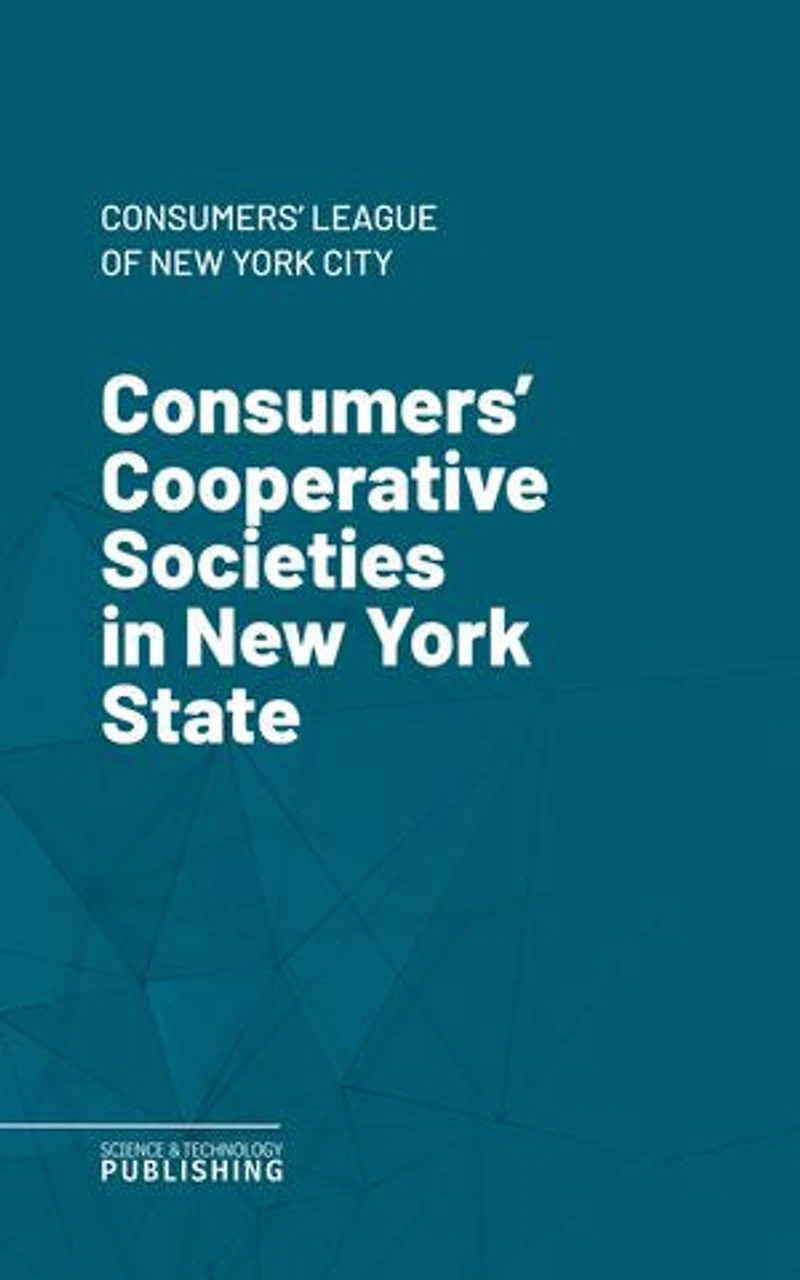
Consumers' Cooperative Societies in New York State in Ottawa, ON
Current price: $29.99

Consumers' Cooperative Societies in New York State in Ottawa, ON
Current price: $29.99
Loading Inventory...
Size: Kobo eBook
*Product information may vary - to confirm product availability, pricing, shipping and return information please contact Coles
Consumers' Cooperative Societies in New York State is a comprehensive exploration of the development, organization, and impact of cooperative societies among consumers in New York during the early twentieth century. Authored by Arthur W. Calhoun, this work delves into the historical context that gave rise to the cooperative movement, examining the social, economic, and legislative factors that influenced its growth. The book provides detailed accounts of various cooperative societies, highlighting their structures, management practices, and the challenges they faced in a rapidly changing economic landscape. Calhoun meticulously documents the origins of the cooperative movement, tracing its roots to European models and its adaptation to American society. He discusses the principles that underpin cooperative societies, such as democratic control, mutual aid, and the equitable distribution of profits. Through case studies and statistical analysis, the book illustrates the successes and failures of different cooperatives, offering insights into the reasons behind their varying degrees of sustainability and effectiveness. The narrative also addresses the broader implications of cooperative societies for social reform, labor relations, and community development. Calhoun explores how these organizations provided alternatives to traditional capitalist enterprises, empowering consumers and fostering a sense of collective responsibility. The book includes discussions on the legal framework governing cooperatives, the role of education in promoting cooperative ideals, and the influence of national and international cooperative movements on local initiatives. Rich in historical detail and analytical depth, Consumers' Cooperative Societies in New York State serves as both a scholarly resource and a practical guide for those interested in the cooperative movement. It offers valuable lessons for policymakers, activists, and anyone seeking to understand the potential of cooperative enterprises to contribute to economic democracy and social progress.
Consumers' Cooperative Societies in New York State is a comprehensive exploration of the development, organization, and impact of cooperative societies among consumers in New York during the early twentieth century. Authored by Arthur W. Calhoun, this work delves into the historical context that gave rise to the cooperative movement, examining the social, economic, and legislative factors that influenced its growth. The book provides detailed accounts of various cooperative societies, highlighting their structures, management practices, and the challenges they faced in a rapidly changing economic landscape. Calhoun meticulously documents the origins of the cooperative movement, tracing its roots to European models and its adaptation to American society. He discusses the principles that underpin cooperative societies, such as democratic control, mutual aid, and the equitable distribution of profits. Through case studies and statistical analysis, the book illustrates the successes and failures of different cooperatives, offering insights into the reasons behind their varying degrees of sustainability and effectiveness. The narrative also addresses the broader implications of cooperative societies for social reform, labor relations, and community development. Calhoun explores how these organizations provided alternatives to traditional capitalist enterprises, empowering consumers and fostering a sense of collective responsibility. The book includes discussions on the legal framework governing cooperatives, the role of education in promoting cooperative ideals, and the influence of national and international cooperative movements on local initiatives. Rich in historical detail and analytical depth, Consumers' Cooperative Societies in New York State serves as both a scholarly resource and a practical guide for those interested in the cooperative movement. It offers valuable lessons for policymakers, activists, and anyone seeking to understand the potential of cooperative enterprises to contribute to economic democracy and social progress.
You May Also Like

















More About Coles at Bayshore Shopping Centre
Coles is renowned for its outstanding customer service and great selection of books. Along with the vast array of magazines, stationary, audio-books, children's literature, fiction, non-fiction and reference books, you can find accessories to make your reading experience more pleasurable. We can recommend the very best in reading today. We will help you search our titles for exactly what you need, and if we do not have it in stock, we will order it for you.
100 Bayshore Dr, Nepean, ON K2B 8C1, Canada
Find Coles at Bayshore Shopping Centre in Ottawa, ON
Visit Coles at Bayshore Shopping Centre in Ottawa, ON