

Give the Gift of Choice!
Too many options? Treat your friends and family to their favourite stores with a Bayshore Shopping Centre gift card, redeemable at participating retailers throughout the centre. Click below to purchase yours today!Purchase HereHome
Containing America: Cultural Production and Consumption in 50s America
Coles
Loading Inventory...
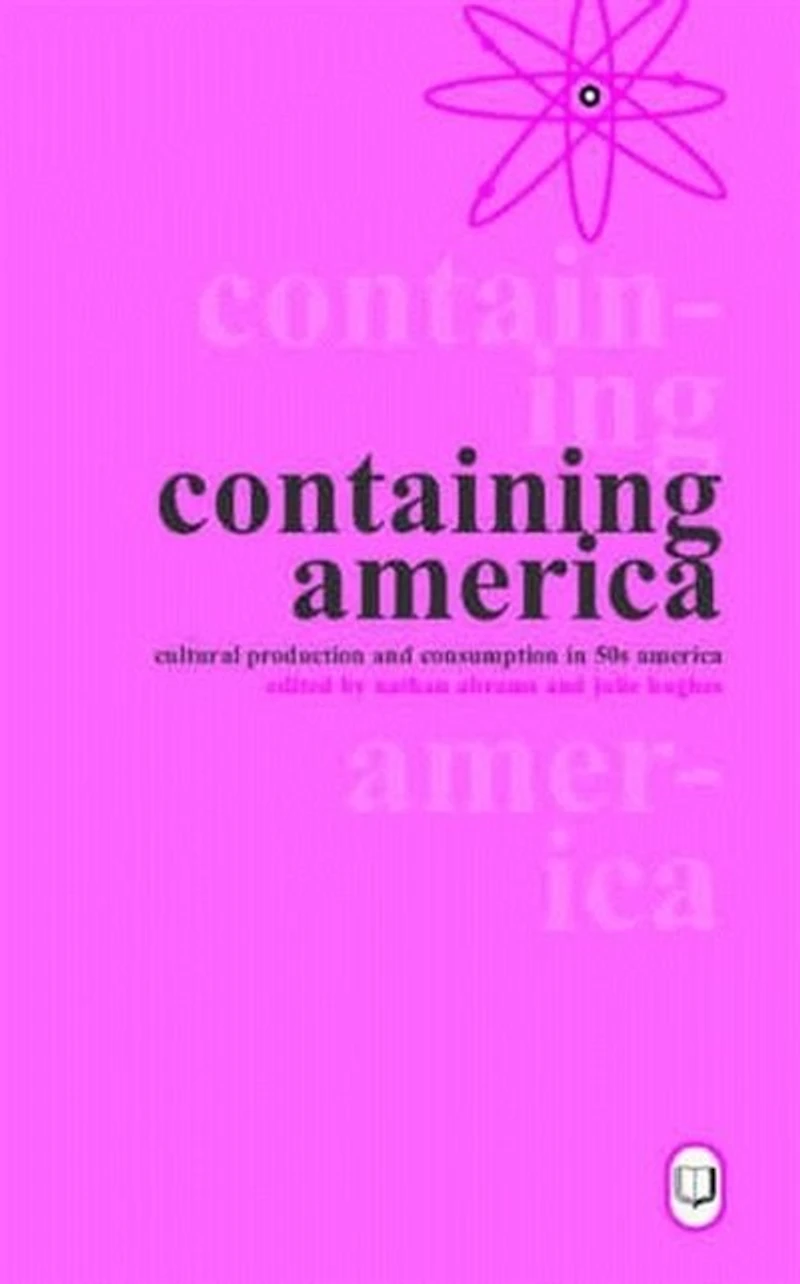
Containing America: Cultural Production and Consumption in 50s America in Ottawa, ON
By None
Current price: $146.50

By None
Containing America: Cultural Production and Consumption in 50s America in Ottawa, ON
Current price: $146.50
Loading Inventory...
Size: Paperback
*Product information may vary - to confirm product availability, pricing, shipping and return information please contact Coles
The postwar period in America witnessed a tremendous consumer boom that introduced thousands of new items into the mass market. The contributors to Containing America challenge our conceptions of Cold War culture by examining a range of such products - clothes, food, television, magazines, radio, and other forms of entertainment - in order to shed light on how Cold War discourses actually influenced the practices of ordinary behaviour. Their essays address very different sectors of American society - in terms of race, class, ethnicity, sexuality and gender - thus emphasising the multiplicity, diversity, and differing nature of the voices that emerged in cultural production and consumption during the 1950s. Containing America points out directions for further research and provides a fresh approach for scholars, students, and others interested in the culture of the Cold War of the 1950s.
The postwar period in America witnessed a tremendous consumer boom that introduced thousands of new items into the mass market. The contributors to Containing America challenge our conceptions of Cold War culture by examining a range of such products - clothes, food, television, magazines, radio, and other forms of entertainment - in order to shed light on how Cold War discourses actually influenced the practices of ordinary behaviour. Their essays address very different sectors of American society - in terms of race, class, ethnicity, sexuality and gender - thus emphasising the multiplicity, diversity, and differing nature of the voices that emerged in cultural production and consumption during the 1950s. Containing America points out directions for further research and provides a fresh approach for scholars, students, and others interested in the culture of the Cold War of the 1950s.
You May Also Like
















More About Coles at Bayshore Shopping Centre
Coles is renowned for its outstanding customer service and great selection of books. Along with the vast array of magazines, stationary, audio-books, children's literature, fiction, non-fiction and reference books, you can find accessories to make your reading experience more pleasurable. We can recommend the very best in reading today. We will help you search our titles for exactly what you need, and if we do not have it in stock, we will order it for you.
100 Bayshore Dr, Nepean, ON K2B 8C1, Canada
Find Coles at Bayshore Shopping Centre in Ottawa, ON
Visit Coles at Bayshore Shopping Centre in Ottawa, ON