

Give the Gift of Choice!
Too many options? Treat your friends and family to their favourite stores with a Bayshore Shopping Centre gift card, redeemable at participating retailers throughout the centre. Click below to purchase yours today!Purchase HereHome
Contentious Politics in China: Causes, Dynamics, and Consequences
Coles
Loading Inventory...
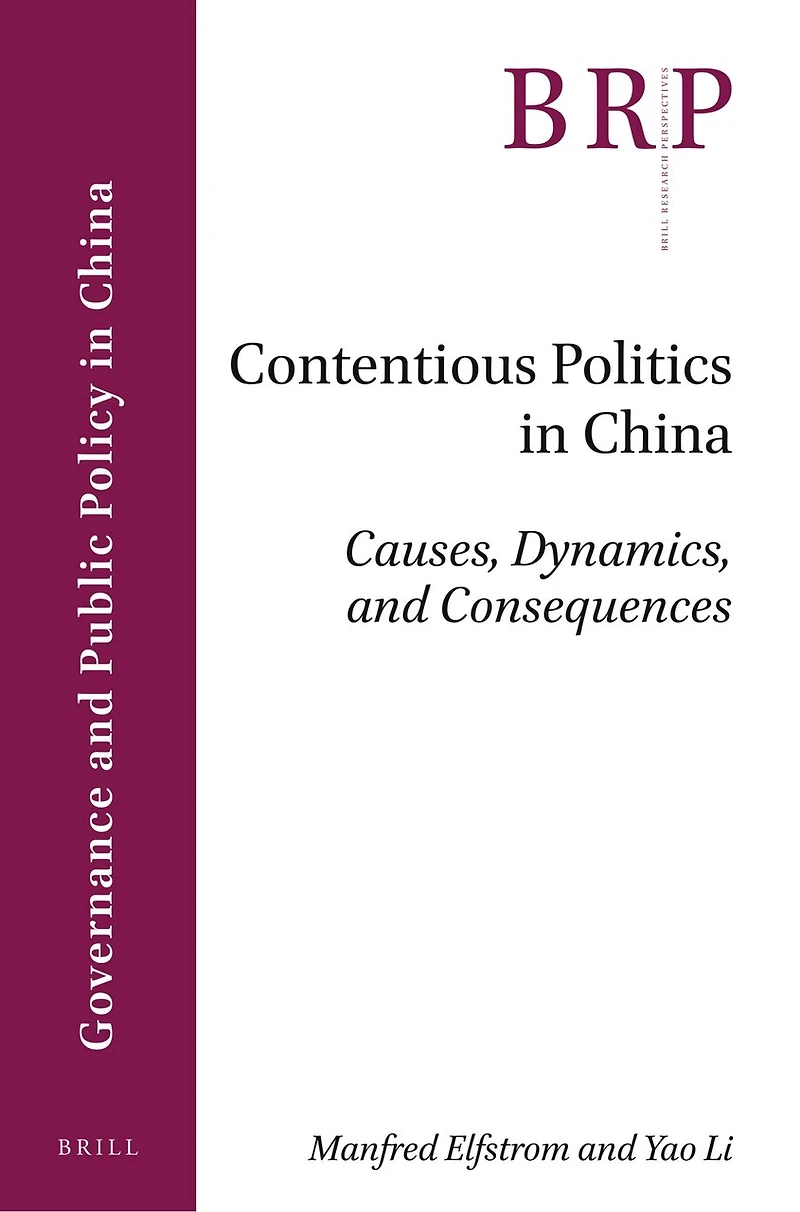
Contentious Politics in China: Causes, Dynamics, and Consequences in Ottawa, ON
Current price: $122.99

Contentious Politics in China: Causes, Dynamics, and Consequences in Ottawa, ON
Current price: $122.99
Loading Inventory...
Size: Paperback
*Product information may vary - to confirm product availability, pricing, shipping and return information please contact Coles
China has become a land of protests, though the Chinese state possesses considerable administrative capacity. In this volume, Manfred Elfstrom and Yao Li provide an overview of Chinese contentious politics. They dig deep into major forms of social conflict, explore structural explanations for why protest occurs in China, and describe the ways in which various organizations and framings of issues by citizens affect how protests play out. Shifting to where grassroots activism ultimately leads, Elfstrom and Li survey China’s coercive and conciliatory institutions for maintaining social control, document and explain patterns in the state’s handling of different types of resistance, and examine the social and political impact of unrest. This work not only contributes to a deeper understanding of contentious politics and governance in China, but also provides insights for studies of social movements and authoritarian politics in general.
China has become a land of protests, though the Chinese state possesses considerable administrative capacity. In this volume, Manfred Elfstrom and Yao Li provide an overview of Chinese contentious politics. They dig deep into major forms of social conflict, explore structural explanations for why protest occurs in China, and describe the ways in which various organizations and framings of issues by citizens affect how protests play out. Shifting to where grassroots activism ultimately leads, Elfstrom and Li survey China’s coercive and conciliatory institutions for maintaining social control, document and explain patterns in the state’s handling of different types of resistance, and examine the social and political impact of unrest. This work not only contributes to a deeper understanding of contentious politics and governance in China, but also provides insights for studies of social movements and authoritarian politics in general.
You May Also Like













More About Coles at Bayshore Shopping Centre
Coles is renowned for its outstanding customer service and great selection of books. Along with the vast array of magazines, stationary, audio-books, children's literature, fiction, non-fiction and reference books, you can find accessories to make your reading experience more pleasurable. We can recommend the very best in reading today. We will help you search our titles for exactly what you need, and if we do not have it in stock, we will order it for you.
100 Bayshore Dr, Nepean, ON K2B 8C1, Canada
Find Coles at Bayshore Shopping Centre in Ottawa, ON
Visit Coles at Bayshore Shopping Centre in Ottawa, ON