

Give the Gift of Choice!
Too many options? Treat your friends and family to their favourite stores with a Bayshore Shopping Centre gift card, redeemable at participating retailers throughout the centre. Click below to purchase yours today!Purchase HereHome
Contesting France: Intelligence and US Foreign Policy in the Early Cold War
Coles
Loading Inventory...
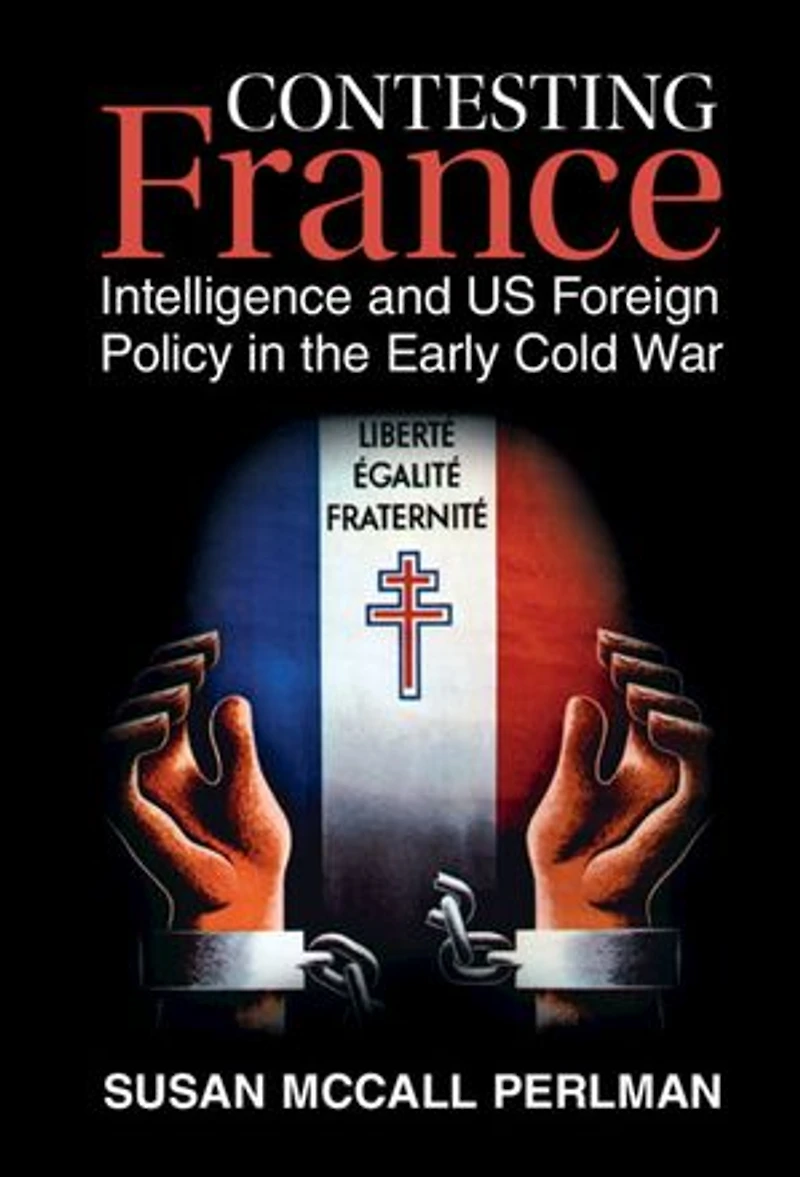
Contesting France: Intelligence and US Foreign Policy in the Early Cold War in Ottawa, ON
Current price: $31.99
Original price: $39.95

Contesting France: Intelligence and US Foreign Policy in the Early Cold War in Ottawa, ON
Current price: $31.99
Original price: $39.95
Loading Inventory...
Size: Kobo eBook
*Product information may vary - to confirm product availability, pricing, shipping and return information please contact Coles
Contesting France reveals the untold role of intelligence in shaping American perceptions of and policy toward France between 1944 and 1947, a critical period of the early Cold War when many feared that French communists were poised to seize power. In doing so, it exposes the prevailing narrative of French unreliability, weakness, and communist intrigue apparent in diplomatic dispatches and intelligence reports sent to the White House as both overblown and deeply contested. Likewise, it shows that local political factions, French intelligence and government officials, colonial officers, and various trans-national actors in imperial outposts and in the metropole sought access to US intelligence officials in a deliberate effort to shape US policy for their own political postwar agendas. Using extensive archival research in the United States and France, Susan McCall Perlman sheds new light on the nexus between intelligence and policymaking in the immediate postwar era.
Contesting France reveals the untold role of intelligence in shaping American perceptions of and policy toward France between 1944 and 1947, a critical period of the early Cold War when many feared that French communists were poised to seize power. In doing so, it exposes the prevailing narrative of French unreliability, weakness, and communist intrigue apparent in diplomatic dispatches and intelligence reports sent to the White House as both overblown and deeply contested. Likewise, it shows that local political factions, French intelligence and government officials, colonial officers, and various trans-national actors in imperial outposts and in the metropole sought access to US intelligence officials in a deliberate effort to shape US policy for their own political postwar agendas. Using extensive archival research in the United States and France, Susan McCall Perlman sheds new light on the nexus between intelligence and policymaking in the immediate postwar era.
You May Also Like







More About Coles at Bayshore Shopping Centre
Coles is renowned for its outstanding customer service and great selection of books. Along with the vast array of magazines, stationary, audio-books, children's literature, fiction, non-fiction and reference books, you can find accessories to make your reading experience more pleasurable. We can recommend the very best in reading today. We will help you search our titles for exactly what you need, and if we do not have it in stock, we will order it for you.
100 Bayshore Dr, Nepean, ON K2B 8C1, Canada
Find Coles at Bayshore Shopping Centre in Ottawa, ON
Visit Coles at Bayshore Shopping Centre in Ottawa, ON