

Give the Gift of Choice!
Too many options? Treat your friends and family to their favourite stores with a Bayshore Shopping Centre gift card, redeemable at participating retailers throughout the centre. Click below to purchase yours today!Purchase HereHome
Continuity and Change in the Baltic Sea Region: Comparing Foreign Policies
Coles
Loading Inventory...
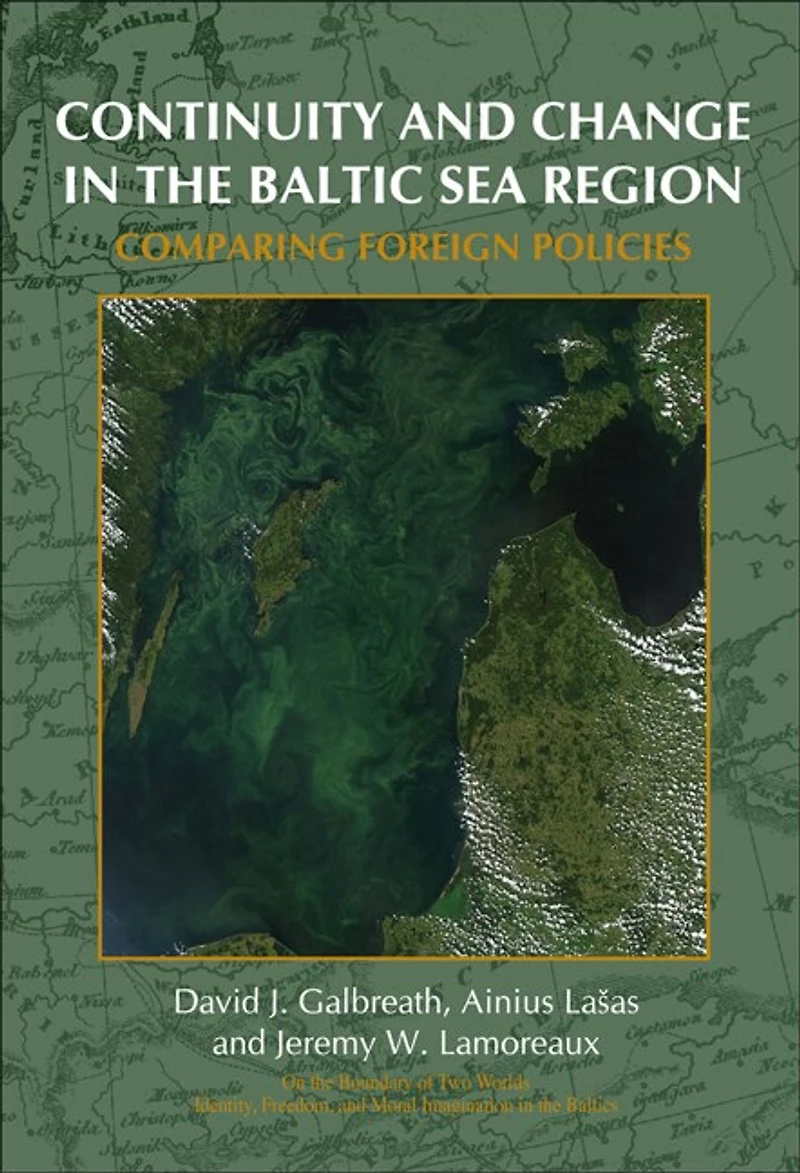
Continuity and Change in the Baltic Sea Region: Comparing Foreign Policies in Ottawa, ON
Current price: $101.99

Continuity and Change in the Baltic Sea Region: Comparing Foreign Policies in Ottawa, ON
Current price: $101.99
Loading Inventory...
Size: Paperback
*Product information may vary - to confirm product availability, pricing, shipping and return information please contact Coles
Continuity and Change in the Baltic Sea Region uncovers the Baltic States’ foreign policy transition from Socialist Republics to EU member-states. Situated between the Russian Federation and Northern Europe, Estonia, Latvia and Lithuania have had to manoeuvre within an often delicate sub-region. Since independence, the foreign policies of the Baltic States have been dominated by de-Sovietization and European integration. Lying at the crossroads between small state theory and identity politics, this analysis engages with the development of Baltic foreign policies as post-Soviet, small and transitioning states.
The authors argue that Estonia, Latvia and Lithuania dictated their early foreign policy agendas based on a process of identity construction and as a response to their regional environment. This process took the Baltic States from East to West in their foreign policy aspirations. Key factors in foreign policy making and implementation are discussed, as well as external factors that shaped Baltic foreign policy agendas. Overall, the book illustrates how continuity and change in the Baltic foreign policies has been shaped by both ‘hard’ and ‘soft’ factors. It is a study in the foreign policies of transitioning states and in this regard illuminates a much larger research area beyond its geographic focus.
Continuity and Change in the Baltic Sea Region uncovers the Baltic States’ foreign policy transition from Socialist Republics to EU member-states. Situated between the Russian Federation and Northern Europe, Estonia, Latvia and Lithuania have had to manoeuvre within an often delicate sub-region. Since independence, the foreign policies of the Baltic States have been dominated by de-Sovietization and European integration. Lying at the crossroads between small state theory and identity politics, this analysis engages with the development of Baltic foreign policies as post-Soviet, small and transitioning states.
The authors argue that Estonia, Latvia and Lithuania dictated their early foreign policy agendas based on a process of identity construction and as a response to their regional environment. This process took the Baltic States from East to West in their foreign policy aspirations. Key factors in foreign policy making and implementation are discussed, as well as external factors that shaped Baltic foreign policy agendas. Overall, the book illustrates how continuity and change in the Baltic foreign policies has been shaped by both ‘hard’ and ‘soft’ factors. It is a study in the foreign policies of transitioning states and in this regard illuminates a much larger research area beyond its geographic focus.
You May Also Like














More About Coles at Bayshore Shopping Centre
Coles is renowned for its outstanding customer service and great selection of books. Along with the vast array of magazines, stationary, audio-books, children's literature, fiction, non-fiction and reference books, you can find accessories to make your reading experience more pleasurable. We can recommend the very best in reading today. We will help you search our titles for exactly what you need, and if we do not have it in stock, we will order it for you.
100 Bayshore Dr, Nepean, ON K2B 8C1, Canada
Find Coles at Bayshore Shopping Centre in Ottawa, ON
Visit Coles at Bayshore Shopping Centre in Ottawa, ON