

Give the Gift of Choice!
Too many options? Treat your friends and family to their favourite stores with a Bayshore Shopping Centre gift card, redeemable at participating retailers throughout the centre. Click below to purchase yours today!Purchase HereHome
Corruption and Public Administration: The Italian Case a Comparative Perspective
Coles
Loading Inventory...
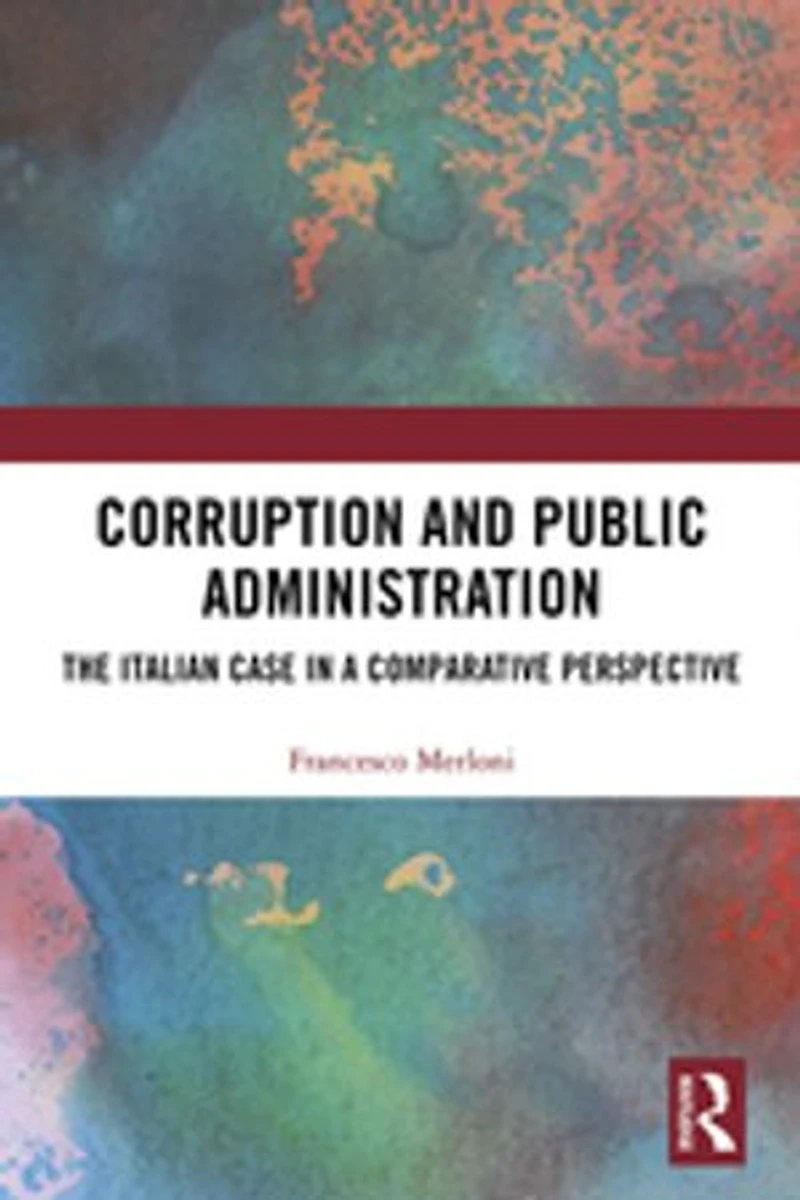
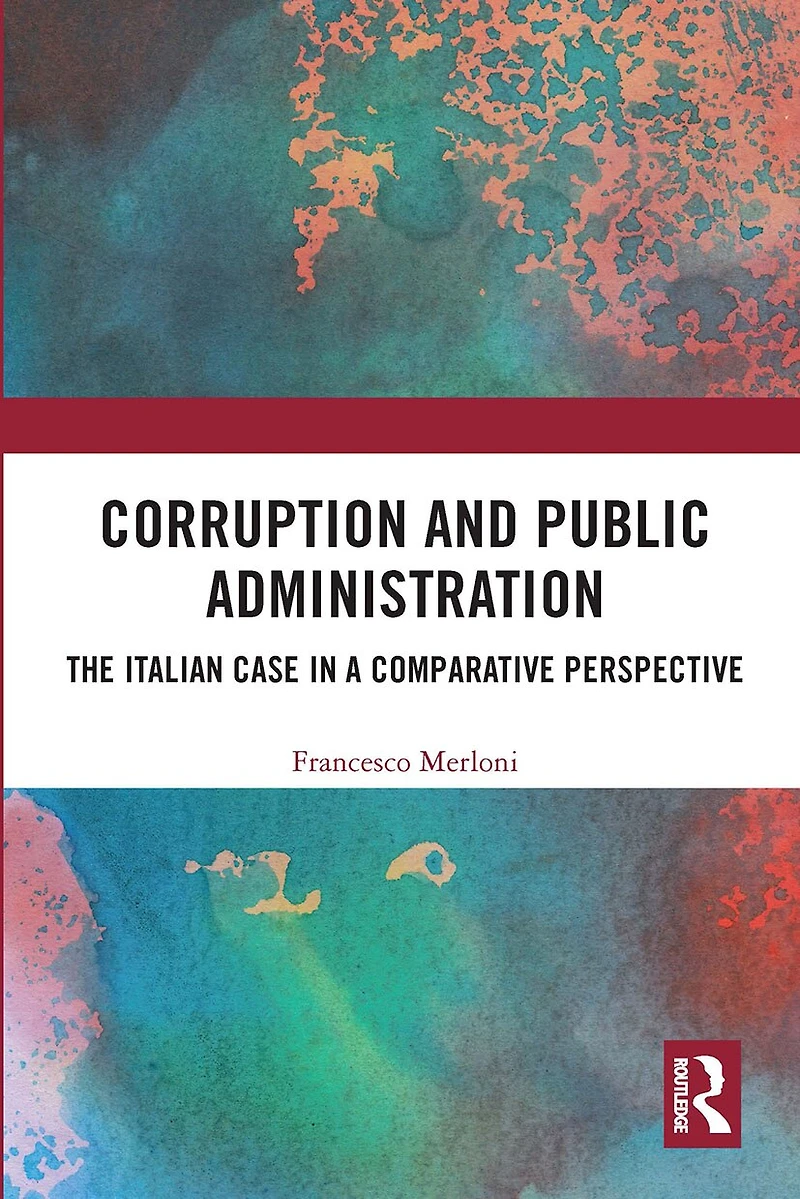
Corruption and Public Administration: The Italian Case a Comparative Perspective in Ottawa, ON
Current price: $81.42

Corruption and Public Administration: The Italian Case a Comparative Perspective in Ottawa, ON
Current price: $81.42
Loading Inventory...
Size: Kobo eBook
*Product information may vary - to confirm product availability, pricing, shipping and return information please contact Coles
Corruption and Public Administration looks at public sector organizations and what they have achieved since signing the UN Convention Against Corruption (UNCAC) Agreement in Merida in 2004. It examines how the signee countries engaged in the set-up of institutions to contain corruption in public administration, and how these governments and institutions have progressed. The book compares several developed countries, and undertakes an especially detailed examination of Italy. It highlights strengths and weaknesses, and proposes organizational means of addressing the issues, which include diversity in organizational structures and systems, and a focus on prevention rather than repression.
The book shines a light on anti-corruption practices and aims to foster open discussion about this pressing topical issue among peers in all relevant fields of the social sciences.
Corruption and Public Administration looks at public sector organizations and what they have achieved since signing the UN Convention Against Corruption (UNCAC) Agreement in Merida in 2004. It examines how the signee countries engaged in the set-up of institutions to contain corruption in public administration, and how these governments and institutions have progressed. The book compares several developed countries, and undertakes an especially detailed examination of Italy. It highlights strengths and weaknesses, and proposes organizational means of addressing the issues, which include diversity in organizational structures and systems, and a focus on prevention rather than repression.
The book shines a light on anti-corruption practices and aims to foster open discussion about this pressing topical issue among peers in all relevant fields of the social sciences.
You May Also Like








More About Coles at Bayshore Shopping Centre
Coles is renowned for its outstanding customer service and great selection of books. Along with the vast array of magazines, stationary, audio-books, children's literature, fiction, non-fiction and reference books, you can find accessories to make your reading experience more pleasurable. We can recommend the very best in reading today. We will help you search our titles for exactly what you need, and if we do not have it in stock, we will order it for you.
100 Bayshore Dr, Nepean, ON K2B 8C1, Canada
Find Coles at Bayshore Shopping Centre in Ottawa, ON
Visit Coles at Bayshore Shopping Centre in Ottawa, ON