

Give the Gift of Choice!
Too many options? Treat your friends and family to their favourite stores with a Bayshore Shopping Centre gift card, redeemable at participating retailers throughout the centre. Click below to purchase yours today!Purchase HereHome
Country Risk: The Bane Of Foreign Investors
Coles
Loading Inventory...
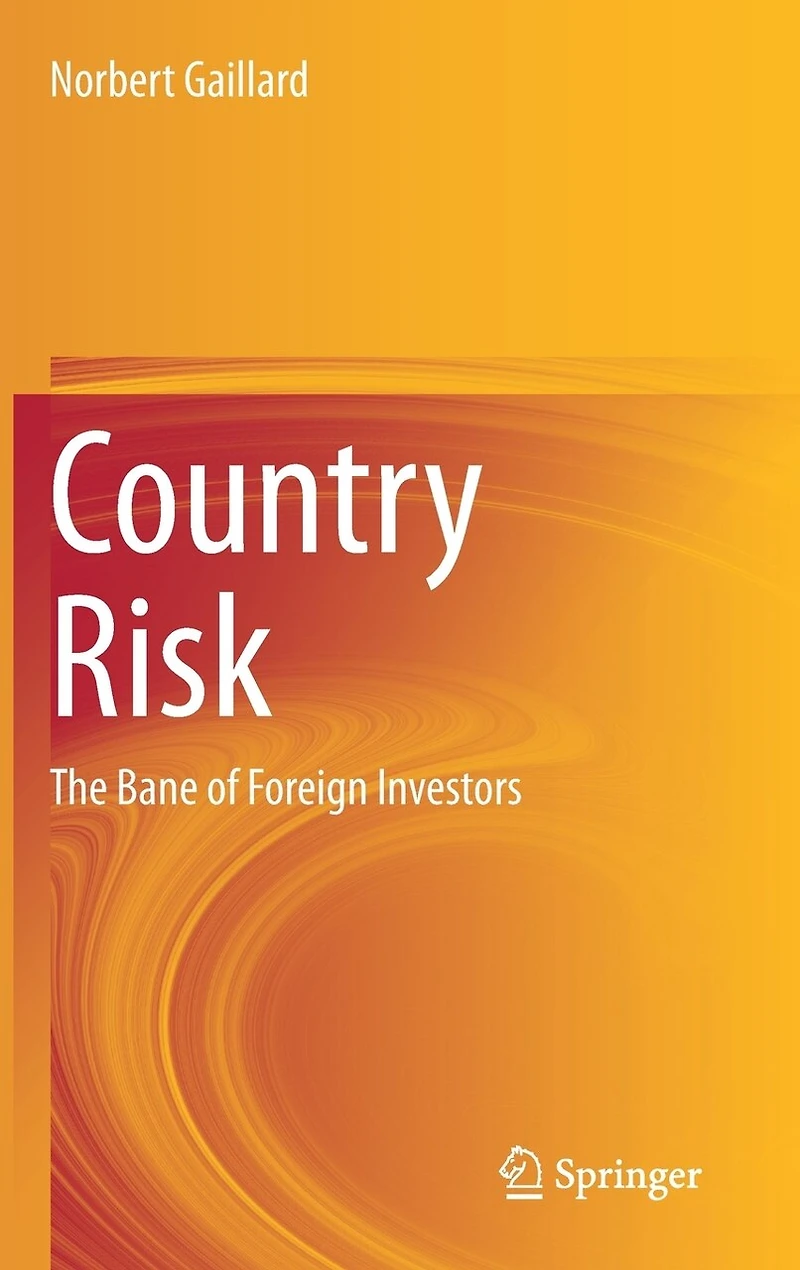
Country Risk: The Bane Of Foreign Investors in Ottawa, ON
Current price: $160.95

Country Risk: The Bane Of Foreign Investors in Ottawa, ON
Current price: $160.95
Loading Inventory...
Size: Hardcover
*Product information may vary - to confirm product availability, pricing, shipping and return information please contact Coles
Country risk has been a key notion for economists, financiers, and investors. Norbert Gaillard defines this notion as "any macroeconomic, microeconomic, financial, social, political, institutional, judiciary, climatic, technological, or sanitary risk that affects (or could affect) an investor in a foreign country. Damages may materialize in several ways: financial losses; threat to the safety of the investing company's employees, clients, or consumers; reputational damage; or loss of a market or supply source."
Chapter 1 introduces the key concepts. Chapter 2 investigates how country risk has evolved and manifested since the advent of the Pax Britannica in 1816. It describes the international political and economic environment and identifies the main obstacles to foreign investment. Chapter 3 documents the numerous forms that country risk may take and provides illustrations of them. Seven broad components of country risk are scrutinized in turn: international political risks; domestic political and institutional risks; jurisdiction risks; macroeconomic risks; microeconomic risks; sanitary, health, industrial, and environmental risks; and natural and climate risks. Chapter 4 focuses on sovereign risk. It presents the rating methodologies used by four raters; next, it measures and compares their performance (i.e., their ability to forecast sovereign defaults). Chapter 5 studies the risks likely to affect exporters, importers, foreign creditors of corporate entities, foreign shareholders, and foreign direct investors. It presents the rating methodologies used by seven raters and measures their track records in terms of anticipating eight types of shocks that reflect the main components of country risk analyzed in Chapter 3.
This book will be most relevant to graduate students in economics as well as professional economists and international investors.
Country risk has been a key notion for economists, financiers, and investors. Norbert Gaillard defines this notion as "any macroeconomic, microeconomic, financial, social, political, institutional, judiciary, climatic, technological, or sanitary risk that affects (or could affect) an investor in a foreign country. Damages may materialize in several ways: financial losses; threat to the safety of the investing company's employees, clients, or consumers; reputational damage; or loss of a market or supply source."
Chapter 1 introduces the key concepts. Chapter 2 investigates how country risk has evolved and manifested since the advent of the Pax Britannica in 1816. It describes the international political and economic environment and identifies the main obstacles to foreign investment. Chapter 3 documents the numerous forms that country risk may take and provides illustrations of them. Seven broad components of country risk are scrutinized in turn: international political risks; domestic political and institutional risks; jurisdiction risks; macroeconomic risks; microeconomic risks; sanitary, health, industrial, and environmental risks; and natural and climate risks. Chapter 4 focuses on sovereign risk. It presents the rating methodologies used by four raters; next, it measures and compares their performance (i.e., their ability to forecast sovereign defaults). Chapter 5 studies the risks likely to affect exporters, importers, foreign creditors of corporate entities, foreign shareholders, and foreign direct investors. It presents the rating methodologies used by seven raters and measures their track records in terms of anticipating eight types of shocks that reflect the main components of country risk analyzed in Chapter 3.
This book will be most relevant to graduate students in economics as well as professional economists and international investors.
You May Also Like










More About Coles at Bayshore Shopping Centre
Coles is renowned for its outstanding customer service and great selection of books. Along with the vast array of magazines, stationary, audio-books, children's literature, fiction, non-fiction and reference books, you can find accessories to make your reading experience more pleasurable. We can recommend the very best in reading today. We will help you search our titles for exactly what you need, and if we do not have it in stock, we will order it for you.
100 Bayshore Dr, Nepean, ON K2B 8C1, Canada
Find Coles at Bayshore Shopping Centre in Ottawa, ON
Visit Coles at Bayshore Shopping Centre in Ottawa, ON