

Give the Gift of Choice!
Too many options? Treat your friends and family to their favourite stores with a Bayshore Shopping Centre gift card, redeemable at participating retailers throughout the centre. Click below to purchase yours today!Purchase HereHome
Creating a Shared Moral Community: The Building of Mosque Congregation London
Coles
Loading Inventory...
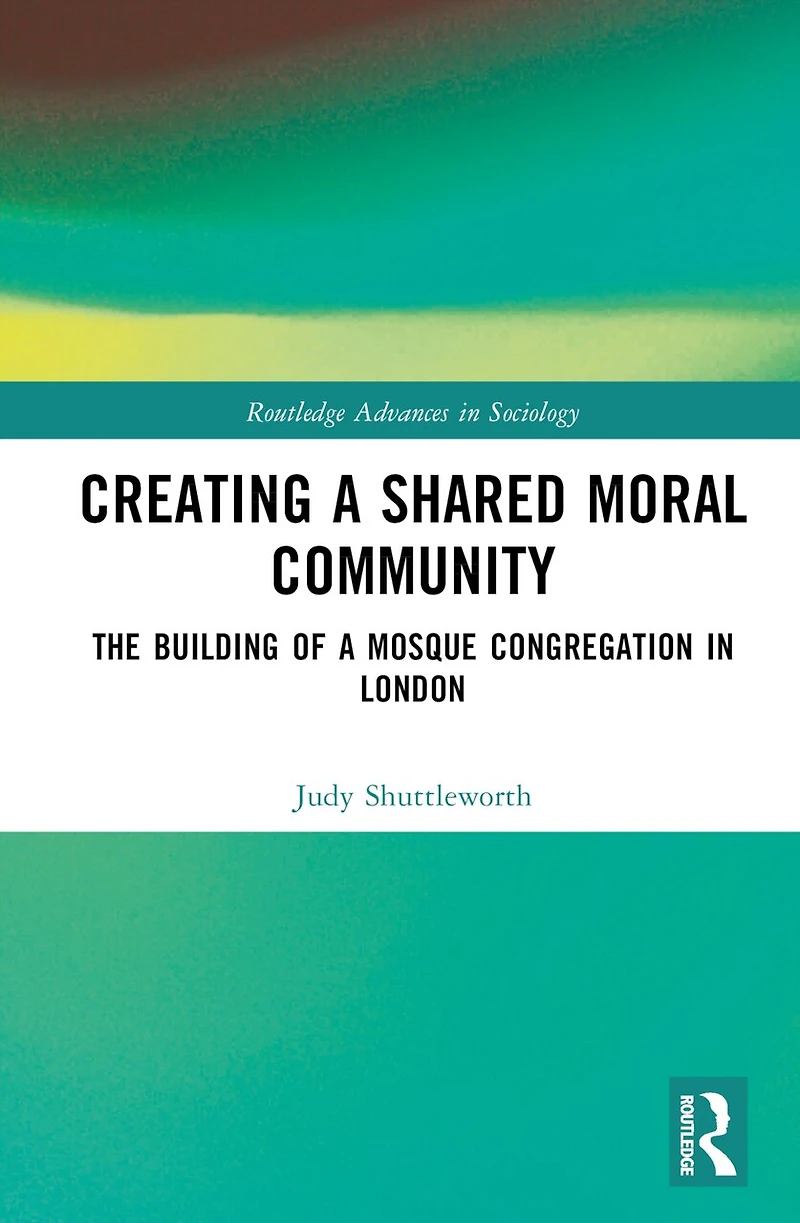
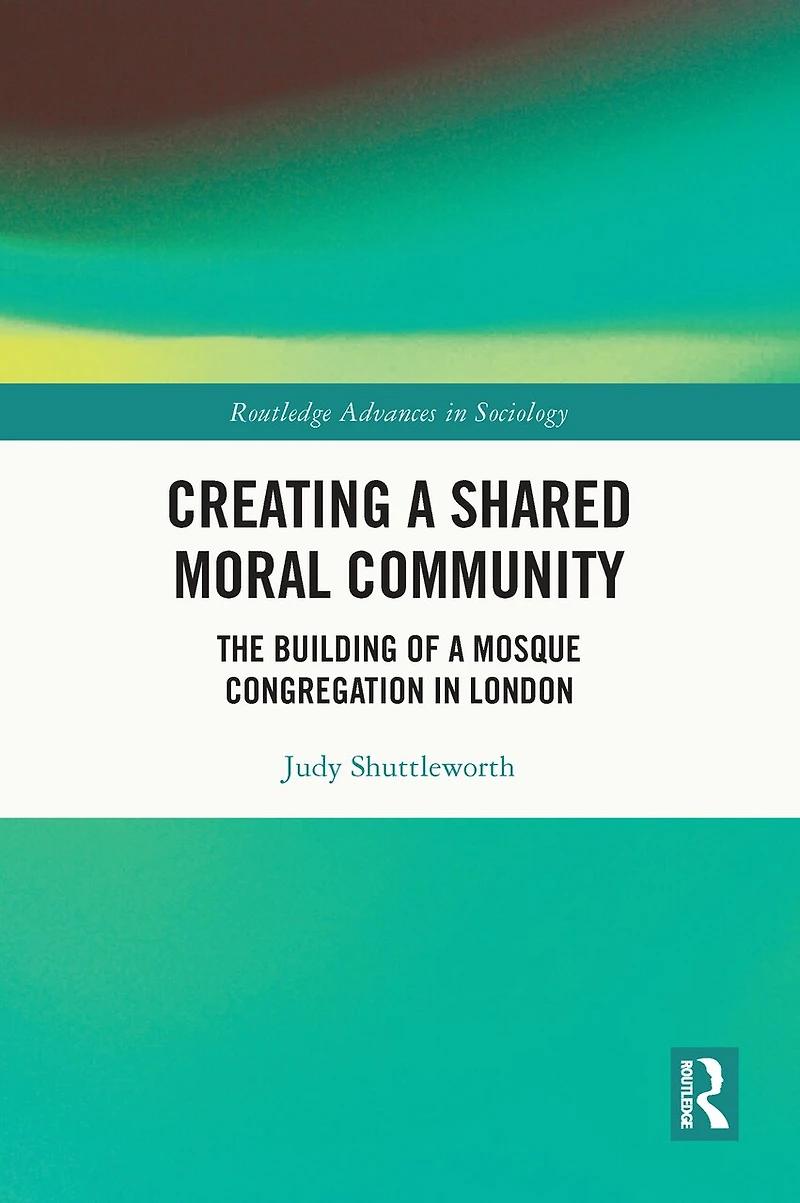
Creating a Shared Moral Community: The Building of Mosque Congregation London in Ottawa, ON
Current price: $266.50

Creating a Shared Moral Community: The Building of Mosque Congregation London in Ottawa, ON
Current price: $266.50
Loading Inventory...
Size: Hardcover
*Product information may vary - to confirm product availability, pricing, shipping and return information please contact Coles
This book explores the religious, educational, and social practice of a Muslim congregation and the moral world it generated within a mosque in UK. The life of the mosque is described through religious practice, communal activities and informal encounters and the history and ideas that shaped the moral world and thinking of the Indo-Guyanese who built it. Marked by a double diaspora experience with its implication of loss and re-imagining, the congregation's conception of living a Muslim life is embodied in both ritual and in styles of comportment and socializing while religious concerns are voiced in sermons, in religious classes and in responses to everyday situations. Links are made between anthropology and developmental and psychoanalytic understandings of embodied experience and the emergence of ethical capacity. This account contributes to the literature on Muslim communities in Europe and 'ordinary ethics.' As such, the book will be of interest to sociologists and anthropologists, to those involved in religious and psycho-social studies, and to clinicians working with Muslim communities.
This book explores the religious, educational, and social practice of a Muslim congregation and the moral world it generated within a mosque in UK. The life of the mosque is described through religious practice, communal activities and informal encounters and the history and ideas that shaped the moral world and thinking of the Indo-Guyanese who built it. Marked by a double diaspora experience with its implication of loss and re-imagining, the congregation's conception of living a Muslim life is embodied in both ritual and in styles of comportment and socializing while religious concerns are voiced in sermons, in religious classes and in responses to everyday situations. Links are made between anthropology and developmental and psychoanalytic understandings of embodied experience and the emergence of ethical capacity. This account contributes to the literature on Muslim communities in Europe and 'ordinary ethics.' As such, the book will be of interest to sociologists and anthropologists, to those involved in religious and psycho-social studies, and to clinicians working with Muslim communities.
You May Also Like








More About Coles at Bayshore Shopping Centre
Coles is renowned for its outstanding customer service and great selection of books. Along with the vast array of magazines, stationary, audio-books, children's literature, fiction, non-fiction and reference books, you can find accessories to make your reading experience more pleasurable. We can recommend the very best in reading today. We will help you search our titles for exactly what you need, and if we do not have it in stock, we will order it for you.
100 Bayshore Dr, Nepean, ON K2B 8C1, Canada
Find Coles at Bayshore Shopping Centre in Ottawa, ON
Visit Coles at Bayshore Shopping Centre in Ottawa, ON