

Give the Gift of Choice!
Too many options? Treat your friends and family to their favourite stores with a Bayshore Shopping Centre gift card, redeemable at participating retailers throughout the centre. Click below to purchase yours today!Purchase HereHome
Creative Economies, Creative Cities: Asian-European Perspectives
Coles
Loading Inventory...
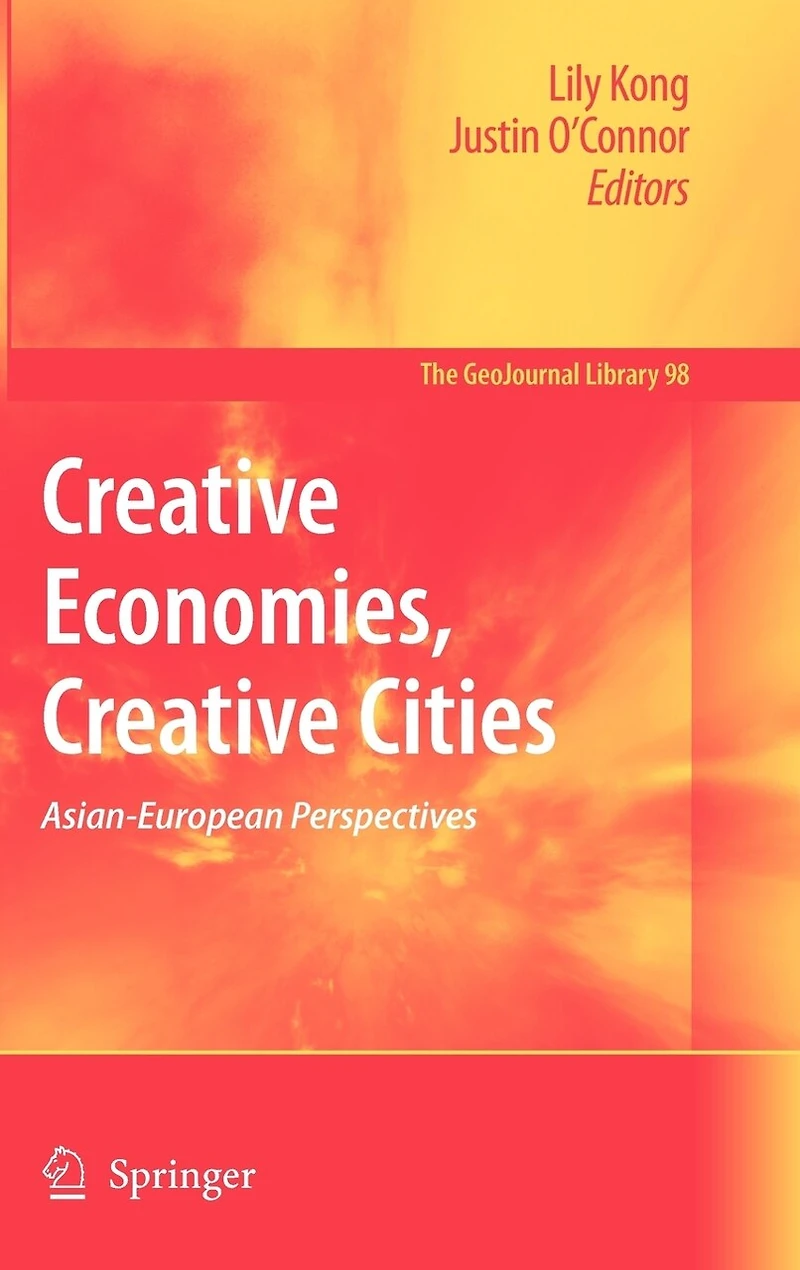
Creative Economies, Creative Cities: Asian-European Perspectives in Ottawa, ON
Current price: $248.50

Creative Economies, Creative Cities: Asian-European Perspectives in Ottawa, ON
Current price: $248.50
Loading Inventory...
Size: Hardcover
*Product information may vary - to confirm product availability, pricing, shipping and return information please contact Coles
Justin O'Connor and Lily Kong The cultural and creative industries have become increasingly prominent in many policy agendas in recent years. Not only have governments identified the growing consumer potential for cultural/creative industry products in the home market, they have also seen the creative industry agenda as central to the growth of external m- kets. This agenda stresses creativity, innovation, small business growth, and access to global markets - all central to a wider agenda of moving from cheap manufacture towards high value-added products and services. The increasing importance of cultural and creative industries in national and city policy agendas is evident in Hong Kong, Singapore, Taiwan, South Korea, Beijing, Shanghai and Guangzhou, Australia, and New Zealand, and in more nascent ways in cities such as Chongqing and Wuhan. Much of the thinking in these cities/ countries has derived from the European and North American policy landscape. Policy debate in Europe and North America has been marked by ambiguities and tensions around the connections between cultural and economic policy which the creative industry agenda posits. These become more marked because the key dr- ers of the creative economy are the larger metropolitan areas, so that cultural and economic policy also then intersect with urban planning, policy and governance.
Justin O'Connor and Lily Kong The cultural and creative industries have become increasingly prominent in many policy agendas in recent years. Not only have governments identified the growing consumer potential for cultural/creative industry products in the home market, they have also seen the creative industry agenda as central to the growth of external m- kets. This agenda stresses creativity, innovation, small business growth, and access to global markets - all central to a wider agenda of moving from cheap manufacture towards high value-added products and services. The increasing importance of cultural and creative industries in national and city policy agendas is evident in Hong Kong, Singapore, Taiwan, South Korea, Beijing, Shanghai and Guangzhou, Australia, and New Zealand, and in more nascent ways in cities such as Chongqing and Wuhan. Much of the thinking in these cities/ countries has derived from the European and North American policy landscape. Policy debate in Europe and North America has been marked by ambiguities and tensions around the connections between cultural and economic policy which the creative industry agenda posits. These become more marked because the key dr- ers of the creative economy are the larger metropolitan areas, so that cultural and economic policy also then intersect with urban planning, policy and governance.
You May Also Like


















More About Coles at Bayshore Shopping Centre
Coles is renowned for its outstanding customer service and great selection of books. Along with the vast array of magazines, stationary, audio-books, children's literature, fiction, non-fiction and reference books, you can find accessories to make your reading experience more pleasurable. We can recommend the very best in reading today. We will help you search our titles for exactly what you need, and if we do not have it in stock, we will order it for you.
100 Bayshore Dr, Nepean, ON K2B 8C1, Canada
Find Coles at Bayshore Shopping Centre in Ottawa, ON
Visit Coles at Bayshore Shopping Centre in Ottawa, ON