

Give the Gift of Choice!
Too many options? Treat your friends and family to their favourite stores with a Bayshore Shopping Centre gift card, redeemable at participating retailers throughout the centre. Click below to purchase yours today!Purchase HereHome
Creole Noise: Early Caribbean Dialect Literature and Performance
Coles
Loading Inventory...
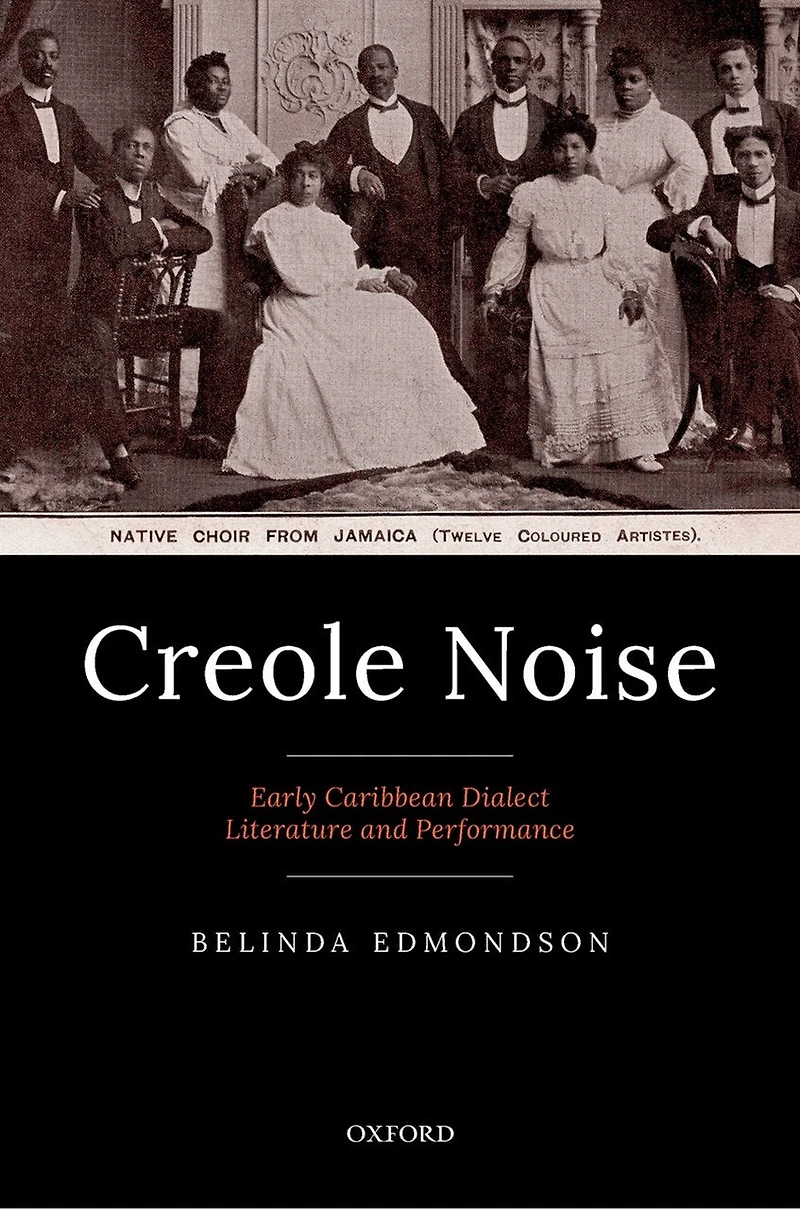
Creole Noise: Early Caribbean Dialect Literature and Performance in Ottawa, ON
Current price: $88.00

Creole Noise: Early Caribbean Dialect Literature and Performance in Ottawa, ON
Current price: $88.00
Loading Inventory...
Size: Hardcover
*Product information may vary - to confirm product availability, pricing, shipping and return information please contact Coles
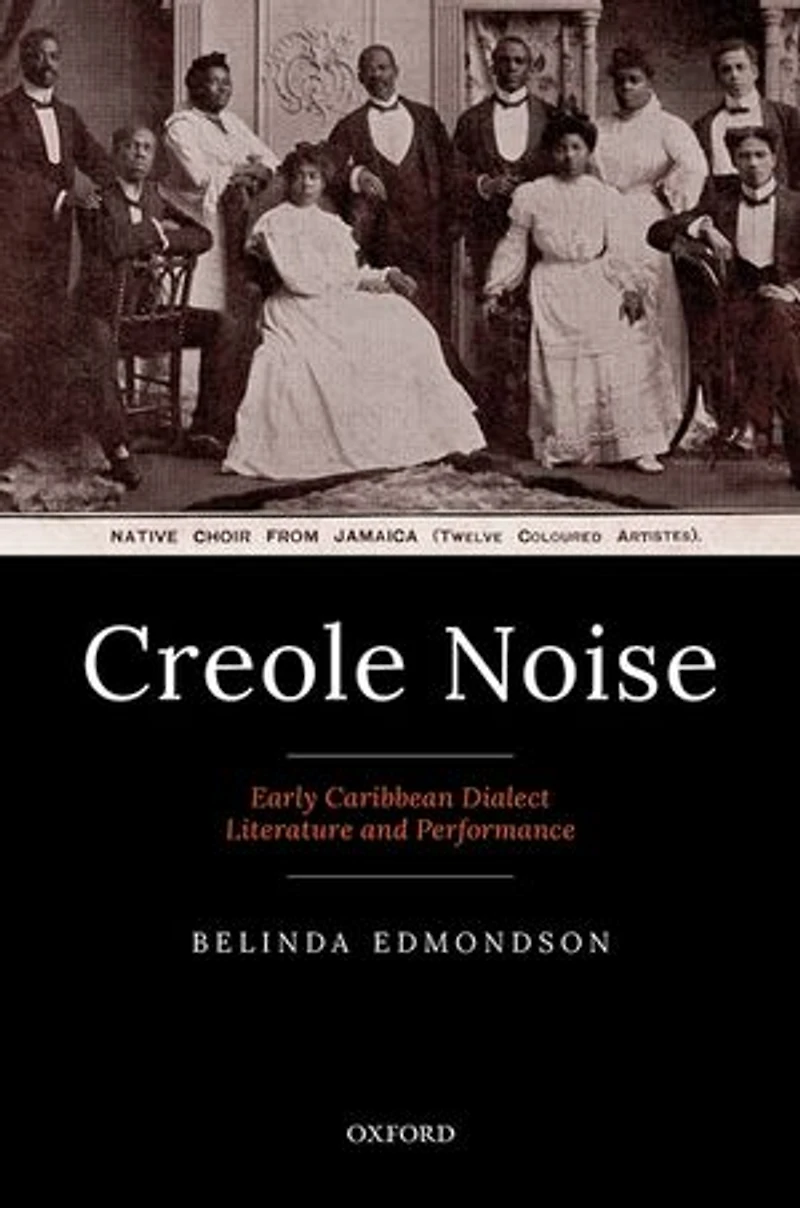
Creole Noise is a history of Creole, or 'dialect', literature and performance in the English-speaking Caribbean, from the late eighteenth century to the early twentieth century. By emphasizing multiracial origins, transnational influences, and musical performance alongside often violent historical events of the nineteenth century - slavery, Emancipation, the Morant Bay Rebellion, the era of blackface minstrelsy, indentureship and immigration - it revises the common view that literary dialect in the Caribbean was a relatively modern, twentieth-century phenomenon, associated with regional anti-colonial or black-affirming nationalist projects. It explores both the lives and the literary texts of a number of early progenitors, among these a number of pro-slavery white creoles as well as the first black author of literary dialect in the English-speaking Caribbean. Creole Noise features a number of fascinating historical characters, among these Henry Garland Murray, a black Jamaican journalist and lecturer; Michael McTurk, the white magistrate from British Guiana who, as 'Quow', authored one of the earliest books of dialect literature; as well as blackface comedian and calypsonian Sam Manning, who along with Marcus Garvey's ex-wife, Amy Ashwood Garvey, wrote a popular dialect play that traveled across the United States. In so doing it reconstructs an earlier period of dialect literature, usually isolated or dismissed from the cultural narrative as racist mimicry or merely political, not part of a continuum of artistic production in the Caribbean.
Creole Noise is a history of Creole, or 'dialect', literature and performance in the English-speaking Caribbean, from the late eighteenth century to the early twentieth century. By emphasizing multiracial origins, transnational influences, and musical performance alongside often violent historical events of the nineteenth century - slavery, Emancipation, the Morant Bay Rebellion, the era of blackface minstrelsy, indentureship and immigration - it revises the common view that literary dialect in the Caribbean was a relatively modern, twentieth-century phenomenon, associated with regional anti-colonial or black-affirming nationalist projects. It explores both the lives and the literary texts of a number of early progenitors, among these a number of pro-slavery white creoles as well as the first black author of literary dialect in the English-speaking Caribbean. Creole Noise features a number of fascinating historical characters, among these Henry Garland Murray, a black Jamaican journalist and lecturer; Michael McTurk, the white magistrate from British Guiana who, as 'Quow', authored one of the earliest books of dialect literature; as well as blackface comedian and calypsonian Sam Manning, who along with Marcus Garvey's ex-wife, Amy Ashwood Garvey, wrote a popular dialect play that traveled across the United States. In so doing it reconstructs an earlier period of dialect literature, usually isolated or dismissed from the cultural narrative as racist mimicry or merely political, not part of a continuum of artistic production in the Caribbean.
You May Also Like







More About Coles at Bayshore Shopping Centre
Coles is renowned for its outstanding customer service and great selection of books. Along with the vast array of magazines, stationary, audio-books, children's literature, fiction, non-fiction and reference books, you can find accessories to make your reading experience more pleasurable. We can recommend the very best in reading today. We will help you search our titles for exactly what you need, and if we do not have it in stock, we will order it for you.
100 Bayshore Dr, Nepean, ON K2B 8C1, Canada
Find Coles at Bayshore Shopping Centre in Ottawa, ON
Visit Coles at Bayshore Shopping Centre in Ottawa, ON