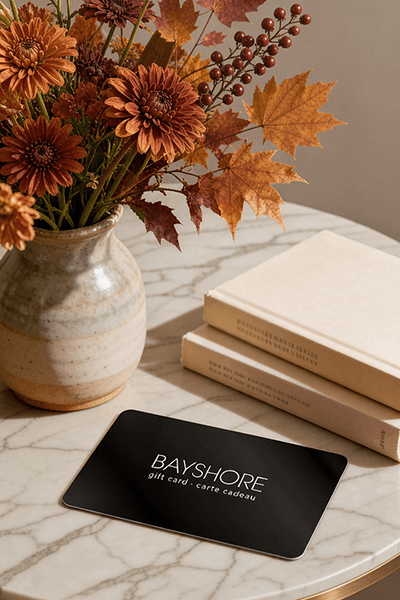
Too many options? Treat your friends and family to their favourite stores with a Bayshore Shopping Centre gift card, redeemable at participating retailers throughout the centre. Click below to purchase yours today!Purchase Here
Coles Crinoid Feeding Strategies: New Insights From Subsea Video And Time-Lapse at Bayshore Shopping Centre in Ottawa, ON
*Product information may vary - to confirm product availability, pricing, shipping and return information please contact Coles
Modern videography provides an ever-widening window into subsea echinoderm life with vast potential for new knowledge. Supported by video evidence throughout, this Element begins with time-lapse video made in 1983 on film, using an off-the-shelf camera, flash, and underwater housings. Although quality has now been significantly improved by digital imagery, films from over thirty years ago captured crinoid feeding behavior previously unknown and demonstrated a great potential to learn about many other aspects of their biology. This sequence is followed by several examples of recent digital videography from submersibles of deep-sea crinoids and remotely operated vehicles (ROVs) (stalked and unstalked), as well as close-up video of crinoids in aquaria. These recent studies enabled a new classification of crinoid arm postures, provided detailed views of food particle capture, and revealed a wide range of behaviors in taxa never before seen in life.
Modern videography provides an ever-widening window into subsea echinoderm life with vast potential for new knowledge. Supported by video evidence throughout, this Element begins with time-lapse video made in 1983 on film, using an off-the-shelf camera, flash, and underwater housings. Although quality has now been significantly improved by digital imagery, films from over thirty years ago captured crinoid feeding behavior previously unknown and demonstrated a great potential to learn about many other aspects of their biology. This sequence is followed by several examples of recent digital videography from submersibles of deep-sea crinoids and remotely operated vehicles (ROVs) (stalked and unstalked), as well as close-up video of crinoids in aquaria. These recent studies enabled a new classification of crinoid arm postures, provided detailed views of food particle capture, and revealed a wide range of behaviors in taxa never before seen in life.
Coles is renowned for its outstanding customer service and great selection of books. Along with the vast array of magazines, stationary, audio-books, children's literature, fiction, non-fiction and reference books, you can find accessories to make your reading experience more pleasurable. We can recommend the very best in reading today. We will help you search our titles for exactly what you need, and if we do not have it in stock, we will order it for you.